
How to Hunt Sharptailed Grouse: The Complete Sharptailed Grouse Hunting Guide
If you live out "West," Sharptailed Grouse are an incredibly appreciated, but relatively common game bird that we get to enjoy. They're more or less the most accessible species for us uplanders, especially if you live in the middle of nowhere, surrounded by their somewhat desolate looking habitat. But the swarm of folks from around the country every September is a good reminder that being used to them earns us a small amount of complacency. Sharpies aren't just some easy, run of the mill upland game bird. They're earned across big, open, unforgiving country, and that's exactly why so many upland hunters consider them the truest test the prairie has to offer. This guide covers everything you need to hunt sharptailed grouse with confidence: their history, where to find them, how their habits change from opening week to the dead of winter, how to shoot them, which dogs work best, what to do with them in the kitchen, and the gear that actually earns a spot in your vest.
The History and Origins of Sharptailed Grouse Hunting in America
Long before shotguns arrived on the northern plains, sharp-tailed grouse held real cultural weight. The Sioux called them pheta silo and the Ojibway ishkode mitchihess, both translating roughly to "firebird," a nod to the species' deep dependence on periodic prairie fire to keep the grasslands open. Indigenous peoples of the plains incorporated the bird's elaborate spring courtship display into ceremonial dance, and the stamping, circling movements of dancers at powwow gatherings are widely traced back to watching male sharptails perform on their leks.
Early pioneer accounts describe sharptail flocks so immense they reportedly darkened the sky as they lifted off the grass. The species originally ranged across roughly 21 U.S. states and eight Canadian provinces, from the pine savannas of the upper Midwest west through the shortgrass and shrub-steppe prairie of the Great Plains and into the sagebrush country of the Rocky Mountain West. That range contracted hard through the 20th century as native prairie was broken for row crops, wetlands were drained, and fire was suppressed across the landscape; the bird has since been extirpated from California, Kansas, Illinois, Iowa, Nevada, and New Mexico. What survives today is a genuine conservation success story in progress, with prescribed burning, CRP grassland restoration, and habitat connectivity work in states like Minnesota, Wisconsin, and Michigan slowly rebuilding huntable populations on the margins of the bird's historic range.
How Popular Is Sharptailed Grouse Hunting Today?
Sharptail hunting will never draw the crowds that pheasant openers do, and that's a big part of the appeal. This is a bird pursued by hunters willing to trade stocked fields and easy limits for wide-open, self-guided country and the kind of solitude that's getting harder to find in upland hunting. The core of that opportunity sits in the northern Great Plains: western Nebraska, the Dakotas, eastern Montana, and Wyoming carry the healthiest huntable populations in the Lower 48, with smaller but locally strong pockets in Minnesota, Wisconsin's Upper Peninsula-adjacent range, Michigan, Colorado, Utah, and Idaho. North of the border, Saskatchewan, where the sharptail is the official provincial bird, along with Manitoba, Alberta, and the boreal reaches of British Columbia and the territories hold some of the largest populations left anywhere.

Much of the modern sharptail's popularity comes from what it makes possible alongside it. In North Dakota and South Dakota especially, sharptails share range with pheasants and Hungarian partridge, and a lot of traveling hunters build entire trips around a mixed bag: what regulars in the region sometimes call a prairie slam. A single October day can put a hunter on sharptails at first light, Huns along a grassy fence line at midday, and roosters in a shelterbelt come evening, all on the same license. That variety, combined with genuinely wild, unstocked birds and country where you can walk for hours without crossing another hunter, is why the love for sharptail hunting keeps climbing among upland hunters looking for something rawer than a preserve hunt. If you're building a trip around that kind of mixed bag, our guides on how to hunt pheasants and how to hunt chukar are worth reading alongside this one.
Sharptailed Grouse Habitat: Where to Find Sharptailed Grouse
Sharptails need room. They're a bird of large, unfragmented, largely treeless landscapes, and they don't tolerate heavy tree cover; once an area pushes much past 50% woody canopy, sharptails start to disappear from it. Beyond that baseline, a few habitat features matter most:
- Native grassland with structure. Sharptails favor grass in the 12- to 18-inch range interspersed with forbs (broadleaf plants) that support the insects, especially grasshoppers, chicks and adults both rely on heavily.
- Shrub patches scattered through open ground. Rose, chokecherry, serviceberry, snowberry, sagebrush, and hawthorn all provide nesting cover, loafing cover, and a critical late-season food source in their buds and berries.
- CRP fields and grain crop edges. Conservation Reserve Program grasslands and the margins of sunflower, corn, and small grain fields give birds both nesting habitat and reliable fall feeding grounds.
- Elevated, open display ground. Leks, the communal dancing grounds where males gather each spring to compete for hens, sit on flat or gently rolling ridgetops and hilltops with short vegetation and good sightlines. These sites are used year after year.
- Water in reasonable proximity. Prairie potholes, sloughs, and seasonal wetlands scattered through grassland country help concentrate both insects and birds.
Track down a active or historic lek site, a stretch of unbroken native prairie, and a nearby grain field, and you've found the core of good sharptail country.

Sharptailed Grouse Hunting Seasons: Timing and Regional Differences
Sharptail seasons generally open in mid-to-late September and, depending on the state or province, can run into December or January: North Dakota's 2026 season, for example, runs from September 12 through January 3. Exact dates, zones, and bag limits shift from year to year and state to state, so always check current regulations before you go, and in several states you'll need to be confident in your identification, since sharp-tailed grouse are frequently confused with greater prairie-chickens, which aren't legal to hunt in every jurisdiction. Minnesota and Wisconsin, where populations are smaller and more fragile, run permit-zone systems with much tighter seasons than the wide-open Dakotas and Montana.
But the calendar date matters less than what it tells you about the bird itself. Sharptails behave like a genuinely different animal in September than they do in December, and understanding that shift is the single biggest key to consistent success across the season.
Early Season Sharptails: September Into Early October
Early in the season, sharptails are still living close to where they were raised. Broods hatch in May and June, and by opening day those family groups, typically a hen and somewhere between two and five surviving chicks, sometimes with a couple of family units loosely overlapping, are still the basic social unit you'll encounter. That makes early-season coveys noticeably smaller and tighter than what you'll find later in the year.
Habitat selection in early fall centers on open country. Birds spend their days in fairly short, sparse cover (grazed pasture, grain stubble, or grass in the 4- to 8-inch range) that keeps sightlines open for spotting predators, and they lean heavily on adjacent grain fields and native forbs for waste grain, seeds, and the grasshoppers and other insects still active in warm weather. Juvenile birds, which make up a large share of the early-season population, simply haven't been shot at yet. They hold better for a pointing dog, flush at closer range, and are generally far less wary than the birds you'll find in November.

Heat is the other defining factor of early-season hunts. Daytime highs regularly climb into the 80s and 90s across the Dakotas and Montana in September, which pushes both bird and dog activity into the first couple hours after sunrise and the last hour or two before dark, with a long, unproductive midday lull in between.
Late Season Sharptails: Late October Through January
By late fall, the picture changes almost completely. Family broods break down and merge together into far larger winter flocks (often called packs) that can number anywhere from a couple dozen birds up to 100 or more in good habitat, especially as snow cover concentrates birds around the best remaining food and thermal cover. Those big packs are exponentially more alert than an early-season covey; with dozens of sets of eyes working together, sharptails flush wilder, farther out, and often before a dog ever gets a solid point.
Habitat selection shifts hard toward cover instead of visibility. As waste grain gets plowed under and short grass loses its insect base, sharptails lean into denser, taller grass, shrub thickets, riparian corridors, and shelterbelts and windbreaks that offer real protection from wind and cold. Woody buds, catkins, and berries from shrubs like chokecherry and rose become a primary food source, and in the far northern part of their range, sharptails will roost under the snow surface on brutal nights and even perch up in aspen or birch trees to feed on buds: behavior almost unheard of in other North American grouse. Our late-season upland tactics guide covers habitat-reading strategies like this across multiple species in more depth.

Late-season sharptail hunting is a game of scouting and patience rather than mileage. Successful hunters glass feeding areas near remaining grain, work the lee side of hills and ridges out of the wind, pass-shoot the travel corridors between roosting and feeding cover, and take advantage of the fact that a big pack that's been broken up by a flush will often re-flush in smaller, tighter groups that hold noticeably better the second time around.
Shooting Sharptailed Grouse: Tips for Wingshooting Success
Sharptails have a well-earned reputation for testing a shooter's composure. A few things to know before that first flush:
- Expect a "popcorn" flush. Birds in a covey or pack rarely all go up at once. They tend to flush in staggered waves, with a few birds breaking early and others holding, which means the shot you expect to take often isn't the one you get.
- Recognize the sound before the bird. Sharptails flush with a distinctive cackling "kuk-kuk-kuk" and a giggling chatter that's easy to distinguish from a pheasant's crow once you've heard it: use it to your advantage to know when birds are up even before you see them.
- Hunt the wind, not just the cover. Wind pushes sharptail wariness up significantly and increases flush distance, so approach from downwind when possible and use terrain (the lee side of a ridge or draw) to close distance before birds notice you.
- Match your choke and load to the season. Early-season birds hold tighter and flush closer, so an improved cylinder or modified choke with #6 shot is plenty. Late-season birds flush wild and far, and shifting to a modified or full choke with #4 or #5 shot gives you the reach those longer crossing shots demand.
- Commit to one bird. With multiple birds in the air at different angles and distances, indecision is the fastest way to miss everything. Pick a single bird, swing through it, and follow through on the shot rather than snapping at the flock.
Best Dog Breeds for Sharptailed Grouse Hunting
Because sharptail country is so open and birds can be so spread out, dog work looks a little different here than it does chasing pheasants through cattails or ruffed grouse through the aspens.
Pointing Dogs on the Prairie
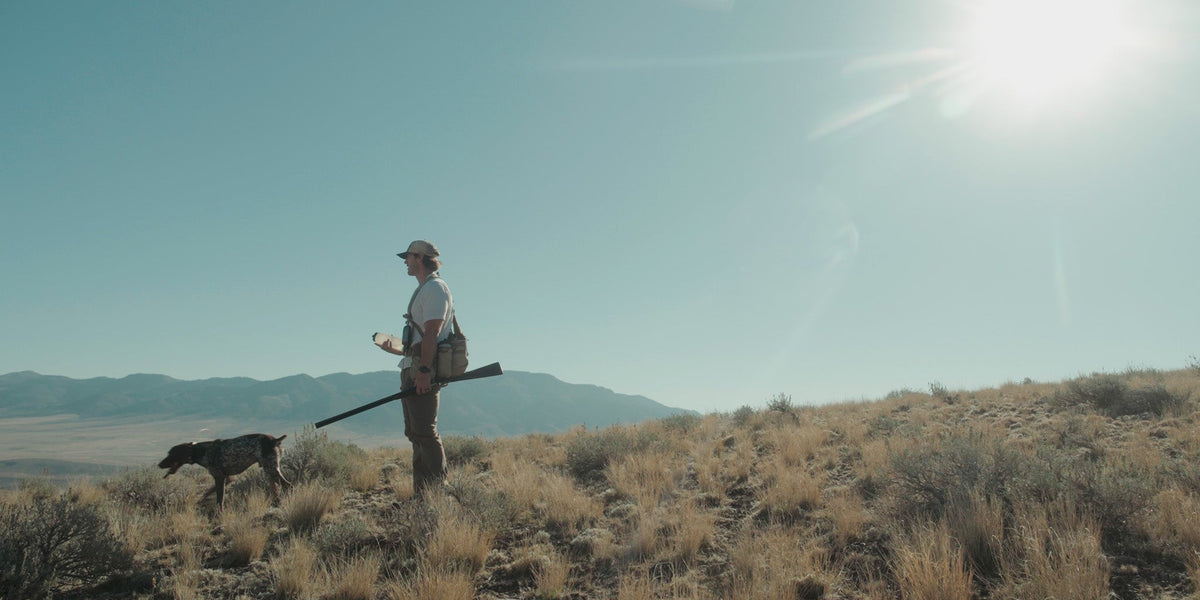
Wide-ranging pointing breeds are the traditional choice for sharptails, and for good reason: covering big, open ground efficiently is the whole game. English pointers, German shorthaired pointers, English setters, Brittanys, and Vizslas all excel here, provided they're conditioned for long miles and comfortable working well out in front, checked in with a GPS collar rather than a whistle alone. It's worth knowing going in that a high, confident point from a long distance out (sometimes 30 yards or more) usually means a young, less-wary single or a larger pack rather than a mistake on the dog's part; sharptails simply hold at greater distances than a lot of other upland birds.

Flushing Dogs on the Prairie
Labs, springer spaniels, and other flushing breeds absolutely can work sharptails, particularly on heavily pressured late-season birds where a close-working dog that stays inside shotgun range is actually an advantage over a dog ranging 200 yards out into a flock that's already primed to run. The tradeoff is ground covered: a flusher simply won't work as much country in a day as a big-running pointer will. Whichever style you run, prairie terrain is hard on dogs: cactus, sharp grass awns, and long dry miles mean foot care and hydration deserve real attention, and cold, wind-exposed late-season hunts call for the opposite problem: keeping a dog warm and dry between points.
Sharptailed Grouse Tablefare: Cooking and Eating Your Harvest
Sharptail meat surprises a lot of first-time hunters. Unlike a lighter-fleshed bird like ruffed grouse, sharptail breast meat is genuinely dark, closer in color and richness to duck or dove than to chicken or pheasant, and the legs actually run lighter than the breast, the reverse of what you'd expect. That composition means sharptail rewards being cooked more like waterfowl than like a barnyard bird: pull the breast at medium or medium-rare rather than cooking it through, and it stays tender and rich instead of turning dry and liver-y.
For whole birds, an overnight, uncovered rest in the refrigerator to dry the skin helps it crisp up during roasting or pan-roasting, and a solid salt and rest period before cooking makes a real difference. One bird generally makes a hearty meal for two. Beyond a simple roast, sharptail breast holds up well to bolder preparations (pan-seared with a fruit-based pan sauce, cubed for kabobs, or sliced thin for fajitas) that play to its richer, darker character rather than fighting against it.
Essential Gear for a Sharptailed Grouse Hunt
Prairie hunting punishes the wrong gear fast, and what you need changes noticeably from opening week to the tail end of the season.
- A lightweight vest for early heat. When you're covering five to ten miles a day in 80- and 90-degree September heat, bulk is the enemy. The Sidekick Vest System weighs in under two pounds, has a removable shoulder harness for hot days, and carries two included 32-ounce bottles: exactly the kind of minimalist, water-forward setup early-season prairie hunts demand. We go deeper on this exact matchup in our breakdown of the best vest for early season sharptail grouse.
- More capacity for cold, heavy-clothing late-season hunts. Once temperatures drop and you're layering up, a higher-capacity option like the Summit XT Vest System or Summit Vest System carries more gear and birds without sacrificing mobility.
- Sun and moisture protection. A UPF-50 layer like the Sonora Sun Hoodie does real work on long, exposed prairie walks where there's no tree cover to hide from the sun.
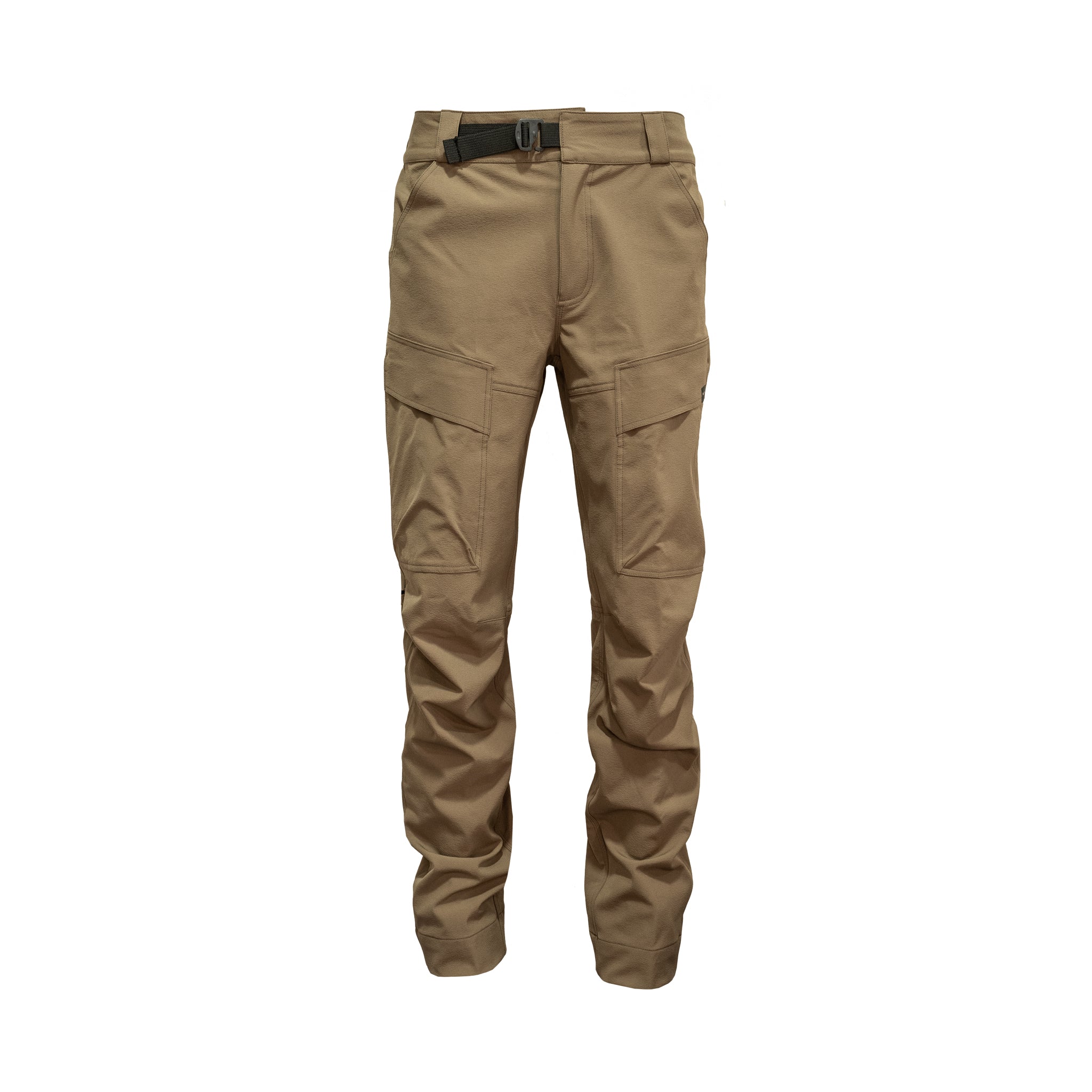
- Pants built for cactus and rough ground. The All Terrain Field Pant pairs zippered side vents for heat management with reinforced, 4-way-stretch fabric that holds up against cactus spines and sharp grass: both a constant hazard in sharptail country.
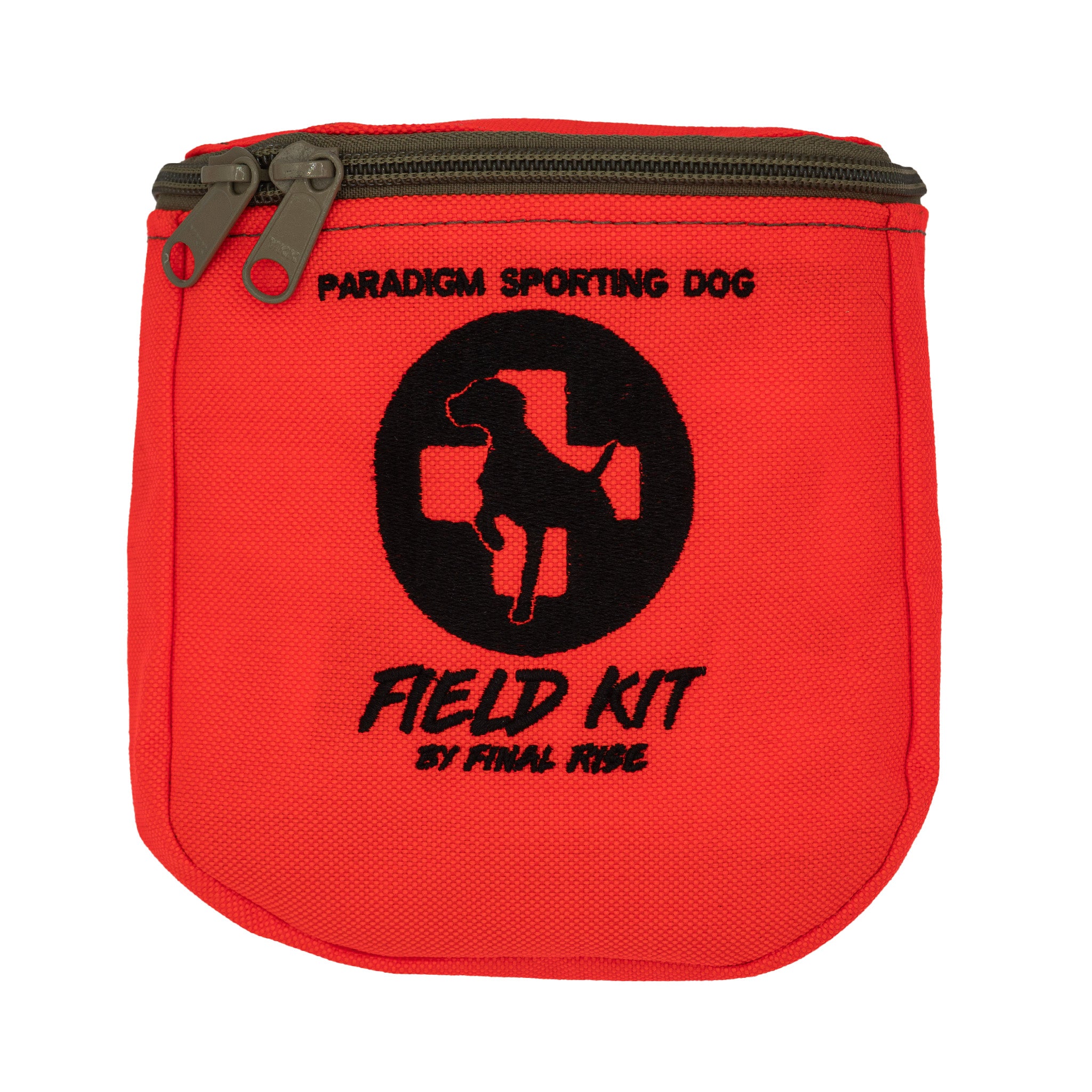
- A first aid kit that's actually built for the prairie. Cactus spines and porcupine quills are a real and common hazard out here, and a dedicated First Aid Field Kit means you're not improvising a quill removal in the field.
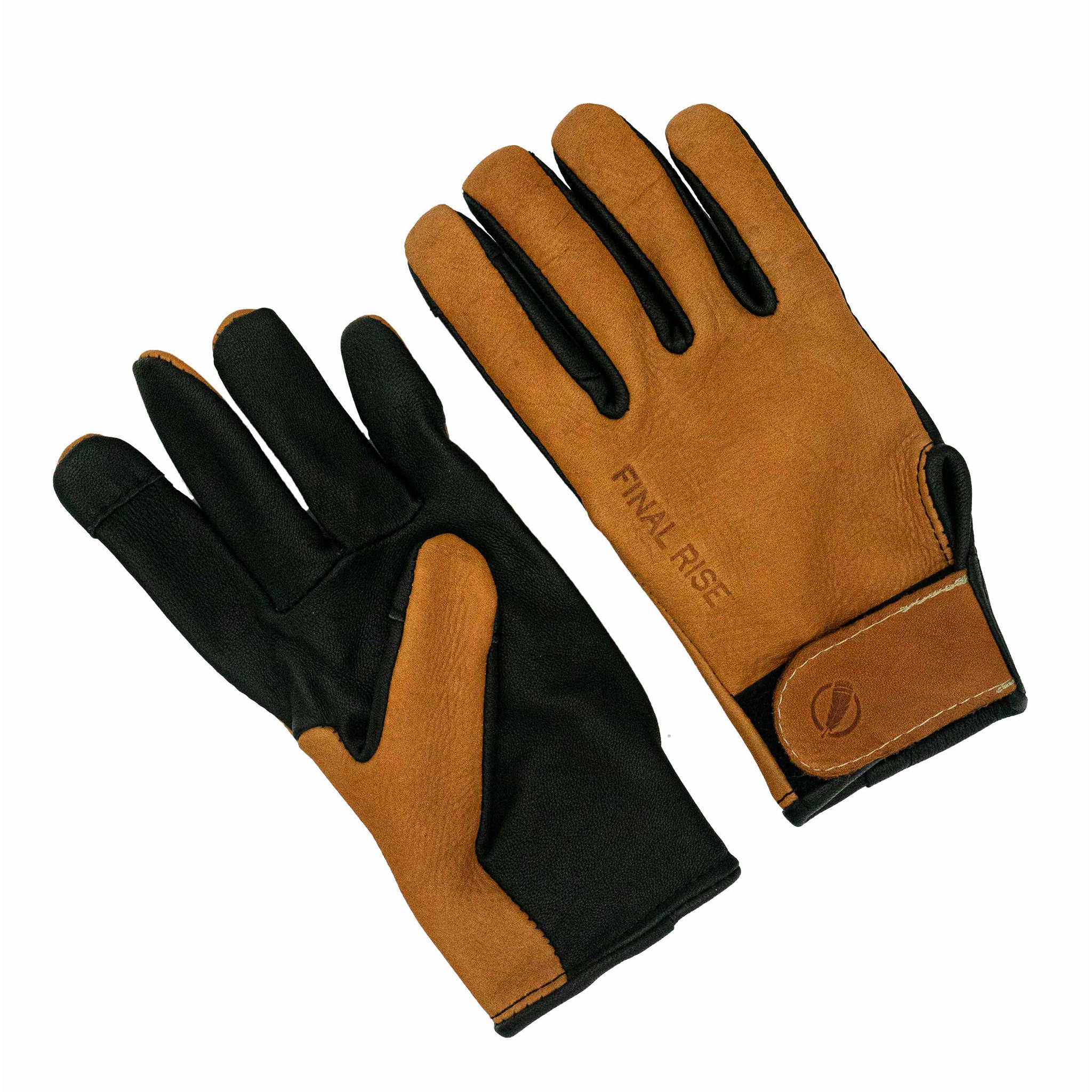
- Field gloves and hand protection for the cold end of the season. A solid pair of Field Gloves or an Upland Hand Muff/Warmer makes a real difference once you're glassing feeding fields and pass-shooting in a January wind.
- Low-cut, breathable boots. Skip heavy insulated boots for anything but the coldest late-season hunts: a lower-cut, breathable hiking-style upland boot with solid ankle support handles the miles and the cactus far better through most of the season.

For a full head-to-toe breakdown, our sharptailed grouse hunting gear checklist walks through every category in more detail.
Frequently Asked Questions
How do I tell a sharp-tailed grouse from a prairie chicken? Sharp-tailed grouse have a short, pointed central tail feather and a mottled brown-and-white pattern with faint V-shaped markings on the belly, while greater prairie-chickens show more heavily barred flanks and a rounder, darker tail. This distinction matters in the field because prairie chickens aren't legal game in every state where the two species overlap, so it's worth studying photos before you hunt unfamiliar ground.
Which states have the best sharptail hunting? North Dakota, South Dakota, Montana, Nebraska, and Wyoming hold the strongest huntable populations in the Lower 48, with smaller opportunities in Minnesota, Wisconsin, Michigan, Colorado, Utah, and Idaho. Saskatchewan and Manitoba offer some of the best hunting anywhere on the continent for hunters willing to head north of the border.
Do I need a dog to hunt sharptails? No, but it helps enormously. Sharptail country is big and birds can sit tight in sparse cover, so a good dog (pointing or flushing) dramatically increases both the birds you find and the ones you actually recover after the shot.
What's the best time of day to hunt sharptails? Early morning is almost always the most productive window, especially during warm early-season hunts, since birds are actively feeding and haven't yet been pushed by the day's heat. Late afternoon into evening is the second-best window, with midday often slow across most of the season.