
How to Hunt Chukar: The Complete Chukar Hunting Guide
There's a reason chukar hunters talk about their pursuit differently than any other upland bird. Chukar hunting means climbing steep, rocky canyon country at altitude, chasing a bird that seems to know exactly how to make you work for every point. It's earned a reputation as the toughest bird to hunt in North America, and for many upland hunters, that difficulty is exactly the appeal.
"Hunting chukar is about hunting smart. It's big, steep and unforgiving country," says Matt Davis, owner and founder of Final Rise and a lifelong chukar hunter. "Wear and tear on yourself, your dogs, your vehicles, etc. can be avoided by simply hunting smart and covering the country right."

This complete guide covers everything you need to know about how to hunt chukar, from the bird's origins and ideal habitat to shooting strategy, dog breeds, tablefare, and the gear that makes a mountain hunt manageable.
What Is Chukar Hunting?
Chukar hunting is the pursuit of the chukar partridge, a fast, ground-running game bird known for living in some of the steepest, most unforgiving terrain in upland hunting. Hunters typically pursue chukar by:
- Climbing steep, rocky canyon and ridge country, often working from the top of a slope downward since chukar naturally run uphill
- Hunting behind pointing dogs bred for stamina and range across big, open country
- Focusing on water sources, benches, and rocky outcroppings where birds hold and feed
- Covering significant vertical terrain in a single outing, often at elevations between 4,000 and 13,000 feet
Because chukar live in such physically demanding country, the sport rewards conditioning and persistence as much as shooting skill. It's often described as more of a mountain athletic pursuit than a traditional bird hunt, which is exactly why it has such a devoted following.

The History and Origins of Chukar Hunting in America
Chukar partridges aren't native to North America. The species originated across Asia and the Middle East, with native range spanning countries including Turkey, Iran, Jordan, Kyrgyzstan, Nepal, and Mongolia. In their native range, chukar evolved in steep, rocky, arid terrain, the exact type of habitat that would later define their success in the American West.
Chukar were introduced to the United States decades ago, and the birds took to western terrain remarkably well:
- Their preference for steep, rocky, arid country closely mirrored the mountainous landscapes of the American West
- The birds established successful, self-sustaining populations across a wide swath of western states and provinces, including California, Oregon, Washington, Idaho, Utah, Montana, Colorado, Wyoming, Arizona, Nevada, British Columbia, and even Hawaii
- Unlike species that require intensive habitat management (looking at you, Pheasants!), chukar populations largely persist on their own in the rugged canyon and ridge country of the West
Today, the global chukar breeding population is estimated at around 7.8 million birds, with North American populations representing a meaningful share of that total. The chukar's ability to thrive in country most game birds avoid has made it a defining species of western upland hunting.
How Popular Is Chukar Hunting Today?
Chukar hunting occupies a unique niche in the upland world. It isn't pursued by the same volume of hunters as pheasant, but it has built an intensely loyal following among hunters who seek out physical challenge as part of the experience. A few markers of that popularity:
- Nevada is widely regarded as the top chukar hunting destination in the country, often described as the "Mecca" for serious chukar hunters thanks to stable populations and liberal bag limits
- Idaho, Oregon, Washington, Utah, Montana, Wyoming, and California all support healthy, huntable chukar populations, giving hunters a wide range of western destinations to choose from
- Chukar hunting has become closely associated with a specific hunter identity: those willing to trade easy walking for the reward of hunting some of the most beautiful, remote canyon country in the West
- The bird's nickname, the "devil bird," reflects just how demanding and addictive the pursuit has become among upland hunters who return to it year after year
For many western upland hunters, chukar season represents the ultimate test of conditioning, dog work, and shooting under pressure, which is part of why the pursuit continues to grow in popularity even outside its traditional core following.

Chukar Habitat: Where to Find Chukar
Understanding chukar habitat is essential, since these birds live in some of the most specific and demanding terrain of any upland game bird. Key habitat factors include:
- Steep, rocky terrain – Chukar favor mountainous, arid country with vertical slopes, rocky ridgelines, canyons, and draws, along with plateaus above steep terrain
- Cheatgrass and native vegetation – Quality habitat includes a mix of cheatgrass, sagebrush, bunchgrass, and rabbitbrush, which provide both food and cover
- Water sources – Water access is critical, especially in early season and during hot, dry conditions. Chukar rely on lakes, rivers, creeks, springs, cattle troughs, and man-made water guzzlers, sometimes traveling considerable distances to reach them
- Escape cover – Rocky outcroppings and dense grasses give chukar cover to disappear into when pressured, which is part of what makes them so difficult to pin down
- Terrain to avoid – Overgrazed areas with sparse vegetation, or ground dominated by invasive weeds like medusahead and yellow starthistle, generally hold fewer birds
The most productive chukar country combines open, rocky ground with adequate vegetation and reliable water nearby. Hunters who learn to read that combination, rather than just climbing the steepest hill they can find, tend to have far more consistent success.

Chukar Hunting Seasons: Timing and Regional Differences
Chukar season structure varies by state, but most western chukar states share some general patterns:
- Seasons typically open in mid-September to early October and often run into January, giving hunters a long window relative to some other upland species
- Early-season hunts tend to concentrate birds near water sources, since hot, dry conditions push chukar to stay close to reliable water
- As the season progresses and vegetation changes, birds spread out across more of the available terrain, requiring hunters to cover more ground to locate coveys
- After snowfall, chukar often shift to south-facing slopes where snow melts first and food becomes more accessible
- Because season dates, bag limits, and unit boundaries vary significantly by state, it's important to check current regulations from your state wildlife agency each year rather than relying on prior seasons
Weather plays an outsized role in chukar hunting compared to many other upland species, since it directly affects where birds concentrate on the mountain. Successful chukar hunters adjust their strategy throughout the season based on water availability, snow line, and vegetation, not just the calendar.

Shooting Chukar: Tips for Wingshooting Success
Chukar shooting comes with its own unique set of challenges tied directly to the terrain the birds live in, and the difference between a good day and a frustrating one usually comes down to strategy as much as marksmanship. We asked Matt Davis, who has spent decades chasing chukar through canyon country, for the fundamentals he leans on every season.
Positioning starts before the covey ever flushes. "Putting chukar in the vest comes down to correctly approaching your dog," Davis says. "Taking time to swing around and 'pinch' the birds between yourself and your dog will create much easier shot opportunities. At the very least, do your best to get on the birds' elevation before they flush."
Noise discipline matters just as much as footwork. "Be quiet," Davis says. "Yelling at your dog or buddies in the canyon will cause more birds to move and flush than you'd believe. Birds know that we're predators and behave accordingly."
Once birds are in the air, patience separates a limit from an empty vest. "Don't shoot at the first bird to flush," Davis says. "More often than not, chukar will pop-corn flush and move in waves or singles. Emptying your gun on a Hail Mary bird will leave you feeling pretty stupid as you quickly try to reload with birds flushing up at your feet."
And after the shot, discipline still matters. "Shoot, reload and then move," Davis says. "More often than not, there's a straggler or single that stayed put during the chaos. Make it a conscious effort to reload before you move. That one bird may be the difference between a limit before lunch or another three miles in search of a great covey."
A few other fundamentals worth carrying into the canyon:
- Hunt from the top down. Chukar naturally run uphill, so working from a ridge or mountaintop downward puts you in better position than climbing up on birds that are already moving away from you
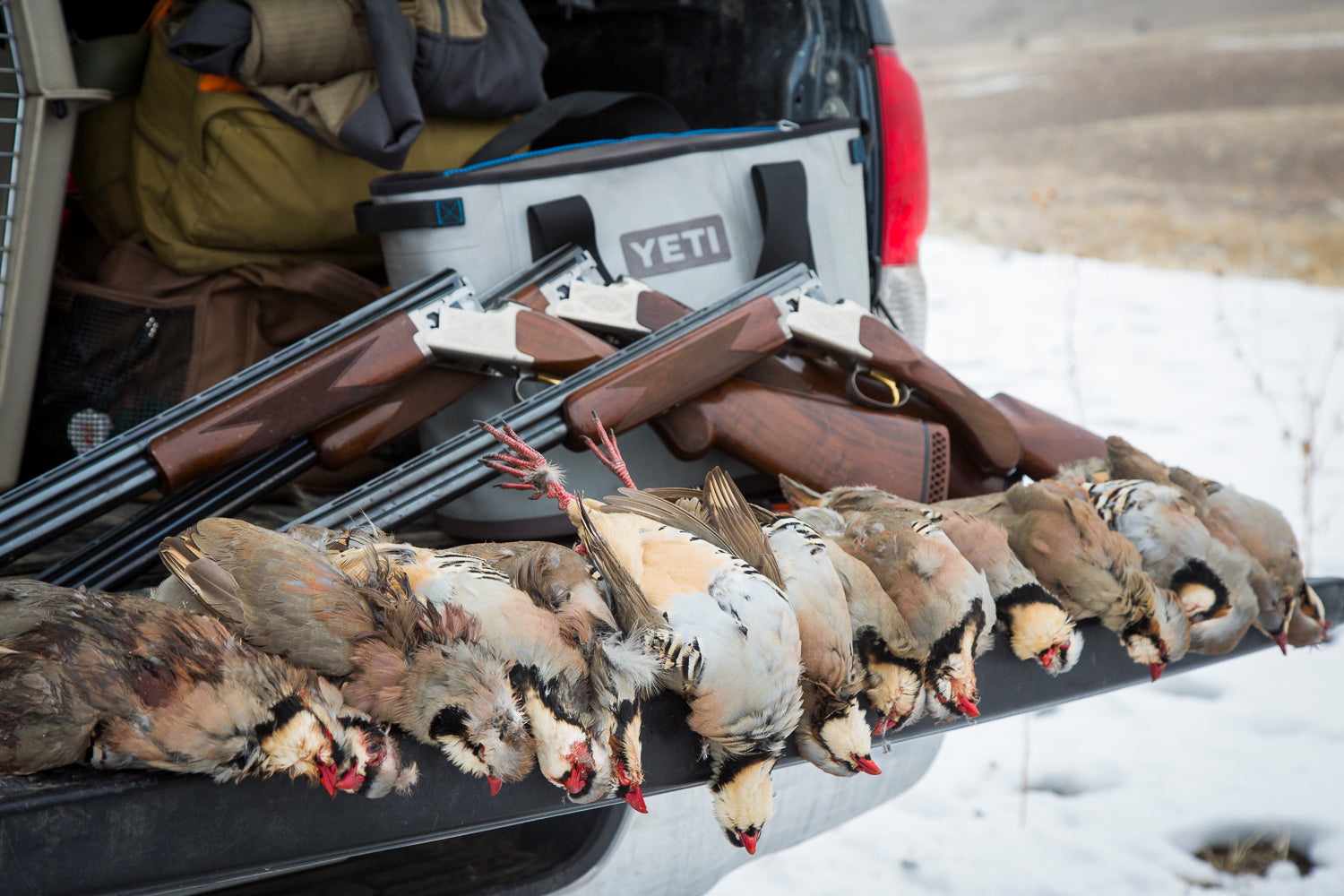
- Expect staggered flushes. Because coveys rarely rise all at once, many experienced chukar hunters favor a semi-automatic shotgun over an over-under for the extra shot opportunities
- Choose open chokes and appropriate shot size. Shots often come quick and close in rugged terrain; a fairly open choke paired with No. 5 or No. 7 shot is a common, effective combination
- Take safe shot angles seriously. Because chukar frequently hold on steep hillsides, safe shooting lanes can be limited. Know exactly where your hunting partners and dog are before taking a shot

Best Dog Breeds for Chukar Hunting
Chukar hunting places extreme demands on a bird dog, arguably more than any other upland pursuit. A good chukar dog needs range, stamina, and the toughness to handle steep, rocky terrain for hours at a time. Breeds commonly used for chukar include:
- German Shorthaired Pointer – A go-to choice for chukar hunters, combining strong range, a good nose, and the endurance to handle mountainous terrain across a full day
- Brittany – A smaller, agile pointing breed known for covering demanding terrain efficiently while maintaining the stamina chukar country requires
- Labrador Retriever – Often used to retrieve downed birds across difficult rock and slope terrain where recovery can otherwise be difficult
- Vizsla and other wide-ranging pointing breeds – Valued for their athleticism and ability to cover large amounts of open, rugged ground in search of scattered coveys
Whatever breed you hunt behind, conditioning matters as much as breeding. Chukar country will test even a well-bred dog that hasn't been conditioned for steep climbs and long days, so building up a dog's fitness ahead of the season is just as important as training its nose. It's also part of why Davis stresses hunting the country smart rather than hard: a dog that's blown out three miles into a week-long trip is a dog you don't have for the rest of it.

Chukar Tablefare: Cooking and Eating Your Harvest
Chukar is widely considered one of the finest-eating upland birds, and its table quality is a major part of why hunters keep coming back to the mountain.
- A roughly 100-gram serving of chukar provides around 163 calories, 28 grams of protein, and about 1.1 grams of fat, making it a lean, high-protein game meat
- The flavor is mild, similar to other partridge and pheasant, with wild birds carrying subtle, though rarely overpowering, gamey notes depending on their diet
- An average chukar weighs about a pound and yields roughly 7 to 10 ounces of usable meat once deboned, so plan on a few birds per meal
- Breast meat is best cooked to around 160°F for tenderness, while legs and thighs benefit from low-and-slow cooking to around 180-190°F, breaking down collagen for a more tender bite
- Brining before cooking, and aging birds for several days after harvest, helps concentrate flavor and improve moisture retention, both especially useful given how lean chukar meat is
Whether spatchcocked and grilled or slow-braised, chukar rewards the effort it takes to harvest it, which is a big part of the appeal for hunters willing to climb for their birds.
Essential Gear for a Chukar Hunt
Chukar hunting is unlike any other upland pursuit in terms of physical demand, and every piece you carry up the mountain needs to earn its place. A few essentials worth building your kit around:
- A lightweight vest built to carry water, not just birds. The Final Rise Summit XT weighs just 3.2 lbs empty, the lightest full-sized upland vest on the market, with a hip-hugging waist belt that shifts weight off your shoulders on a steep climb and bladder compatibility for the water chukar country demands. The Summit, Outdoor Life's "Best Vest of the Year," offers that same foundation with a lifetime warranty, while the under-2-lb Sidekick and Heritage give budget-conscious hunters the same weight-saving advantage.
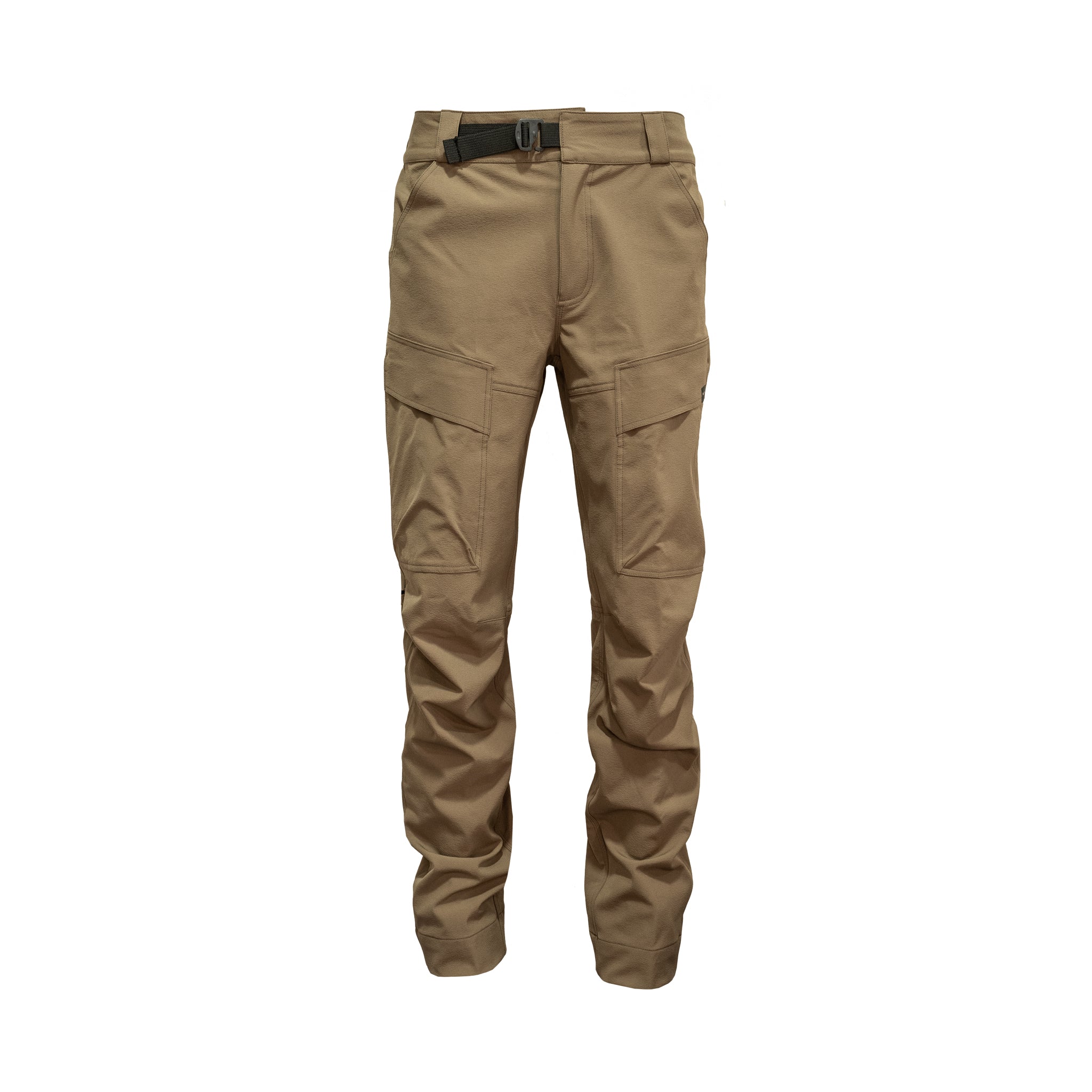
- Pants built for scree and cheatgrass, not just brush. Final Rise's All Terrain Field Pant doubles up its 4-way stretch fabric from the thighs down, exactly where rock scrambling does the most damage, while articulated knees and a DWR finish handle steep climbs and early-season snow.
- Extra water and storage carried low, not high. The Rear Bag Accessory Pocket is a low-profile MOLLE add-on that carries extra water or survival gear against your lower back, right where added weight belongs on a long climb.
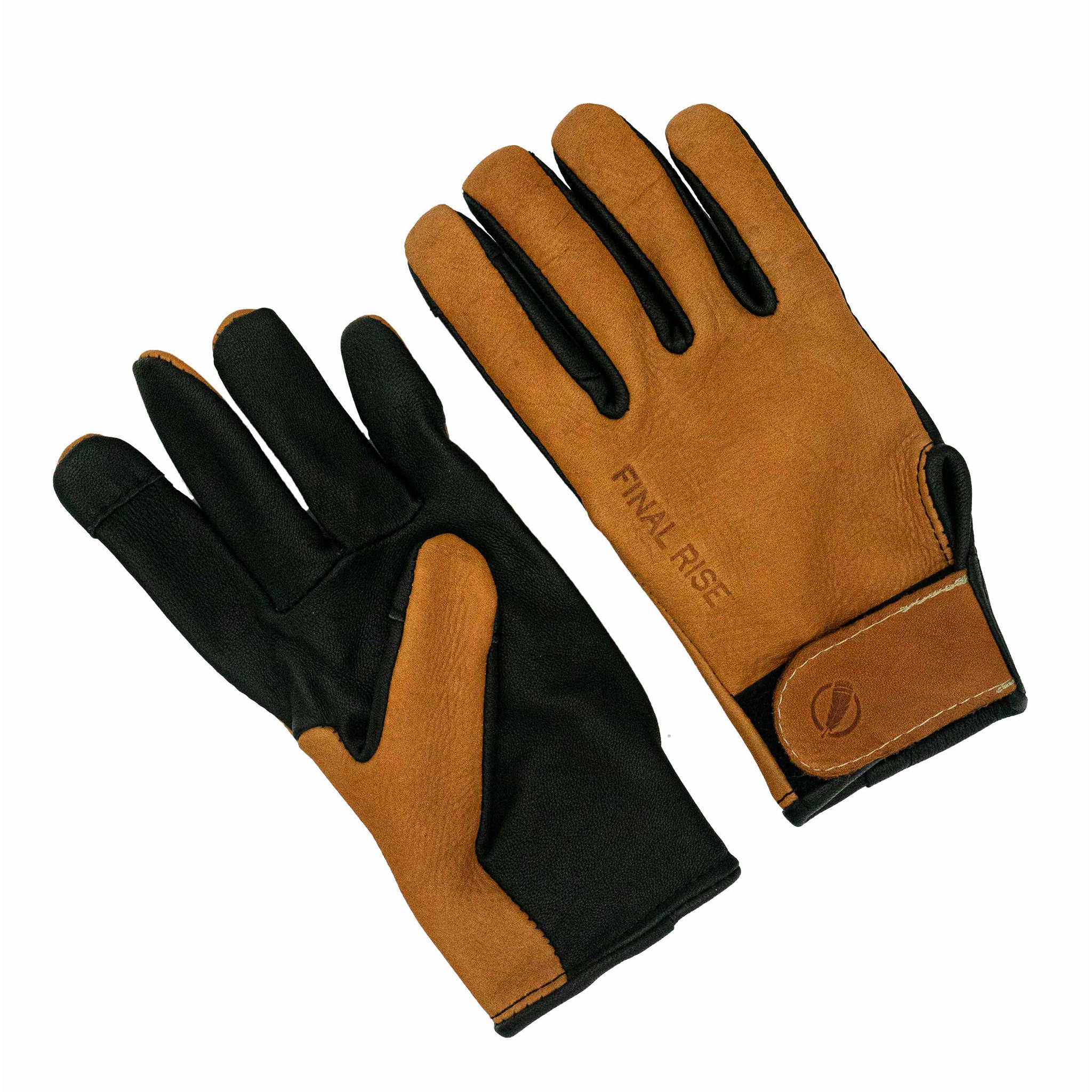
- Field gloves that don't get in the way. Final Rise's Field Gloves use a next-to-skin leather fit with touchscreen-functional fingers, built for rock scrambling and bird handling without the bulk of a work glove.
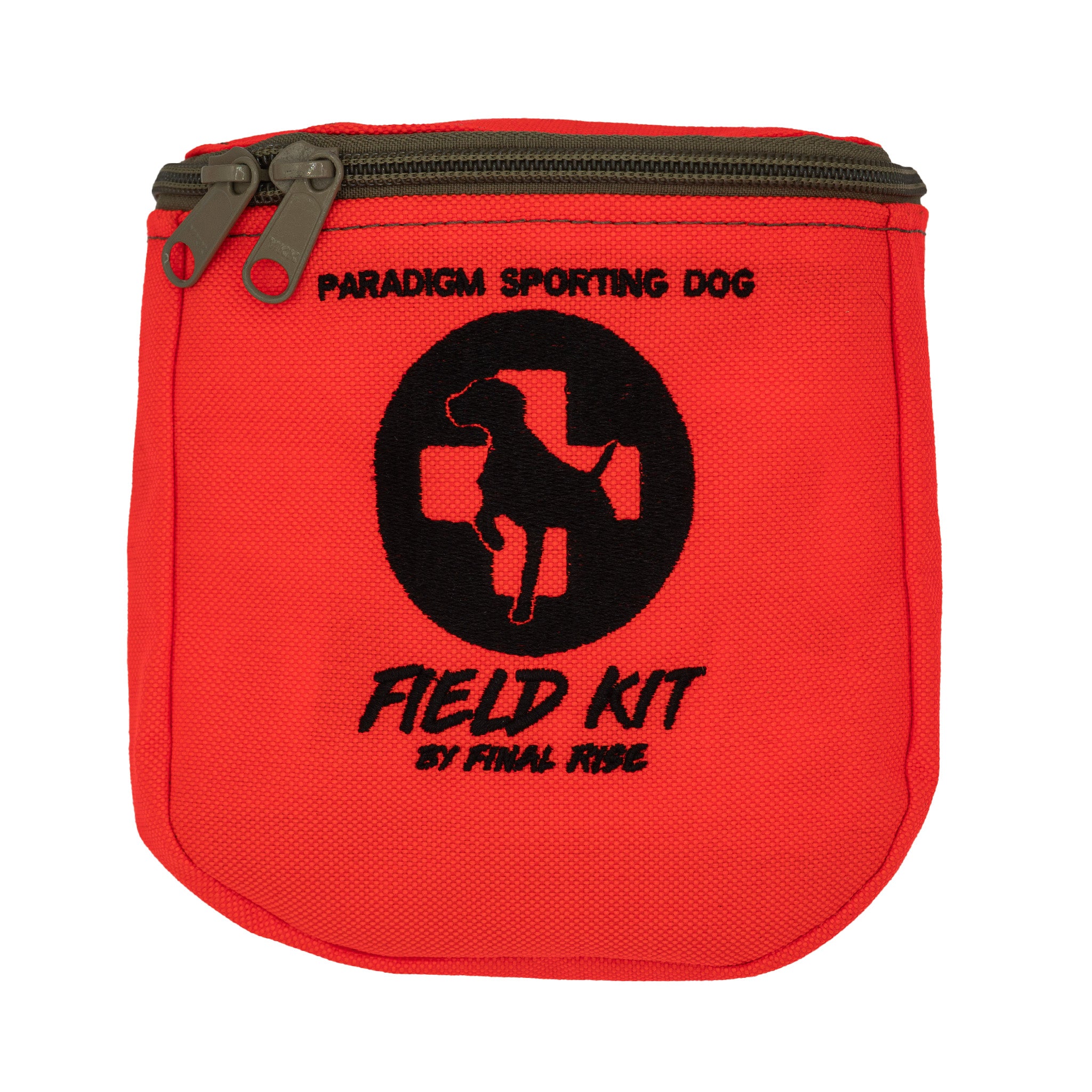
- A first aid kit built for dogs, not just hunters. The First Aid Field Kit was developed with a veterinarian specifically for upland dogs and MOLLE-mounts right to your vest, which matters given how far chukar hunters routinely get from help.
As Davis puts it, hunting chukar well means still having "gas in the tank to burn" three or four days into a trip, and that starts with a kit that isn't working against you on the climb.

Frequently Asked Questions
Why is chukar hunting considered so difficult? Chukar live in steep, rocky terrain at elevations up to 13,000 feet, which demands significant cardiovascular effort and careful footing on uneven ground, all before factoring in the shooting itself.
What is the best state to hunt chukar? Nevada is widely considered the top chukar destination due to stable populations and liberal bag limits, though Idaho, Oregon, Washington, Utah, Montana, Wyoming, and California all offer strong opportunities.
Do you need a dog to hunt chukar? While not strictly required, a wide-ranging, well-conditioned pointing dog dramatically improves your ability to locate coveys across the large, open terrain chukar inhabit, and helps recover downed birds on difficult rock and slope terrain.
What's the best time of year to hunt chukar? Early season hunts near water sources tend to concentrate birds, while later-season hunts require covering more ground as vegetation and conditions change. After snowfall, south-facing slopes are often productive as snow melts first there.