
How to Hunt Pheasants: The Complete Pheasant Hunting Guide
Few sounds get an upland hunter's heart racing like the cackle of a rooster pheasant flushing wild out of some snow flattened grass. Pheasant hunting is one of the most popular and accessible forms of upland bird hunting in North America, combining fast wingshooting, hard-working bird dogs, and some of the best tablefare in the game bird world. Whether you're planning your first hunt or looking to sharpen your strategy for the season ahead, this guide covers everything you need to know about how to hunt pheasants, from habitat and history to shooting technique, dog breeds, and the gear that belongs in your vest.

The History and Origins of Pheasant Hunting in America
Ring-necked pheasants aren't native to North America. Although early colonial settlers attempted to establish pheasants on the east coast with little to no success, their success story begins in Asia, where the species originated in China. In the late 1800s, Owen Denny, a U.S. consul stationed in China, came across the birds in local markets and believed they would make excellent game birds back home. He and his wife, Gertrude, shipped ring-necked pheasants back to the United States and released them into Oregon's Willamette Valley in 1881.
The introduction was a stunning success:
- By 1889, just eight years after release, pheasants were already considered common throughout parts of Washington and Oregon
- Oregon opened its first pheasant hunting season in 1892, only eleven years after the initial release
- An estimated 50,000 birds were harvested on that single opening day, a testament to how explosively the population grew
Inspired by Oregon's results, states across the Midwest and Great Plains began releasing pheasants of their own. The birds thrived in the region's mix of small grain agriculture, native grassland, and wetland cover, and within a few decades, pheasant hunting had become a defining piece of the American upland hunting tradition. Today, the ring-necked pheasant is widely considered the most popular upland game bird in North America.

How Popular Is Pheasant Hunting Today?
Pheasant hunting remains one of the most widely pursued forms of upland bird hunting in the country, and it continues to anchor entire regional economies and conservation movements. A few markers of its popularity:
- South Dakota is officially recognized as the "Pheasant Capital of the World," drawing hunters from across the country every fall for its combination of public walk-in areas, private lodges, and dense bird populations
- Organizations like Pheasants Forever have built a national conservation movement around the species, working to restore grassland and wetland habitat across the pheasant's range
- Core pheasant hunting states, including South Dakota, Iowa, Kansas, Nebraska, North Dakota, and Minnesota, see significant annual economic impact tied to pheasant season, from license sales to lodging, guiding, and gear
- The species' wide range, from Ohio west to Washington and from the southern Canadian prairies down into northern Texas, means pheasant hunting opportunities exist across a large swath of the country
For many upland hunters, pheasant season is the most anticipated stretch of the fall calendar, and it's often the entry point that introduces new hunters to the broader world of upland bird hunting.

Pheasant Habitat: Where to Find Pheasants
Understanding pheasant habitat is one of the most important skills for a successful hunt. Pheasants are edge-dependent birds, meaning they thrive where different habitat types meet. Key habitat types to look for include:
- CRP and native grassland – Conservation Reserve Program acres and undisturbed native grass provide the nesting and loafing cover pheasants rely on throughout the year
- Cattail sloughs and wetland edges – Dense cattail cover offers thermal protection in cold or windy conditions and is often a go-to hiding spot late in the season
- Shelterbelts and fencelines – Wind-blocking tree rows and brushy fencelines give pheasants cover close to open feeding areas
- Cut corn and grain fields – Harvested crop fields provide an easy food source, especially important heading into winter
- Food plots and standing cover – A mix of food and heavy cover in close proximity is often where pheasants concentrate, particularly on public hunting ground
- Where they are - Just because it doesn't seem like traditional pheasant habitat doesn't mean that it can't hold birds. Some of my best pheasant spots are thick willows in river bottoms that seem better suited for moose than a bird hailing from China
The best pheasant habitat usually isn't a single type of cover, it's the transition between them. Hunters who learn to identify these edges consistently find more birds than those walking large blocks of a single habitat type.
Pheasant Hunting Seasons: Timing and Regional Differences
Pheasant season dates vary significantly by state, but most seasons follow a general pattern:
- Seasons typically open in mid-to-late October, once crops have been harvested and cover has changed for fall
- Many states run their pheasant season through late December or January, giving hunters a long window to pursue birds
- Early-season hunts tend to involve more scattered, less pressured birds still holding in typical cover
- Late-season hunts often push birds into heavier, thicker cover like cattail sloughs and shelterbelts as they seek both food and protection from the cold
- Some states offer youth or early seasons ahead of the general opener, which can be a great low-pressure introduction for new hunters
Because season structure and blaze orange regulations differ so much by state, it's worth checking your state wildlife agency's regulations each year rather than assuming dates carry over season to season. Weather, harvest timing, and hunting pressure all shift bird behavior throughout the season, which is why the same field can hunt completely differently in October versus December.

Shooting Pheasants: Tips for Wingshooting Success
Pheasants are known for a loud, startling flush and a fast, powerful takeoff, which makes them one of the more challenging upland birds to shoot consistently. A few fundamentals that make a real difference in the field:
- Stay ready at all times. Pheasants can flush the moment your dog gets birdy, or well after you've already walked past. Keep your gun mounted and ready, especially near the end of a cover strip where birds often hold longest
- Let the bird clear before you shoot. Roosters often flush low and close. Give the bird a beat to gain some distance and open up your shot picture rather than snap-shooting too early
- Follow through on your swing. Pheasants are strong, fast fliers, and stopping your gun swing at the moment of the shot is one of the most common reasons for a miss
- Choose the right choke and load for the range. Early-season shots in light cover tend to be closer, while late-season birds in open fields often flush wilder and require a tighter choke and slightly heavier shot
- Mark downed birds immediately. Pheasants are notorious runners, even when hit well. Watching exactly where a bird goes down, and getting your dog on it quickly, prevents lost birds
Because pheasants flush unpredictably and cover ground quickly once airborne, consistent success comes down to readiness and repetition more than any single trick.

Best Dog Breeds for Pheasant Hunting
A good bird dog doesn't just make pheasant hunting more effective, it makes it more enjoyable. Upland dogs generally fall into two categories:
Flushing breeds:
- English Springer Spaniel – Widely considered one of the best breeds specifically for pheasant hunting, known for working close, flushing wary roosters into the air, and retrieving downed birds
- Labrador Retriever – A versatile choice that flushes and retrieves effectively, with the stamina and coat to handle long, cold days in the field
Pointing breeds:
- German Shorthaired Pointer – A strong, adaptable pointing breed that locates birds across varied terrain and also retrieves downed and crippled birds well
- English Pointer – A capable pointing option, though generally considered less pheasant-specific compared to dedicated flushing breeds
Whichever breed you hunt behind, a well-conditioned dog with a good nose is all you really need to get started. Everyone has their dog preferences, so whatever you have, enjoy your time in the field with them. Pheasants are runners by nature, and a dog that can track a running bird is invaluable, especially later in the season when birds get wise to pressure.

Pheasant Tablefare: Cooking and Eating Your Harvest
Part of what makes pheasant hunting so rewarding is what happens after the hunt. Pheasant is widely regarded as one of the best-eating upland game birds, and it's also a lean, nutritious protein source.
- A roughly 100-gram serving of pheasant provides around 148 calories, 26 grams of protein, and less than 1 gram of fat, making it an exceptionally lean option compared to many other meats
- Because pheasant is so lean, dry meat is the most common cooking mistake. Brining before cooking helps retain moisture and can cut moisture loss significantly compared to unbrined meat
- Breast meat is best cooked to around 160°F for tenderness, while legs, thighs, and wings benefit from a low-and-slow approach that breaks down connective tissue for a more tender result
- Whole-bird roasting works well when the bird is brought closer to room temperature before cooking, with extra care taken to prevent the leaner breast meat from overcooking before the legs are done
- If chicken nuggets are more your speed, we suggest you check out our Coconut Fried Pheasant recipe by Josh Tatman
Whether it's a simple pan-seared breast or a slow-braised leg, pheasant is a genuine reward for a day spent walking cover, and it's a big part of why we return to the pursuit year after year.

Essential Gear for a Pheasant Hunt
Pheasant hunting is a walking sport, often covering miles of grass, crop edges, and wetland cover in a single day. Having the right gear on your body, not just in your gas tank, makes a real difference in how long you can comfortably hunt and how efficiently you handle birds once you start filling a game bag. A few essentials worth building your kit around:
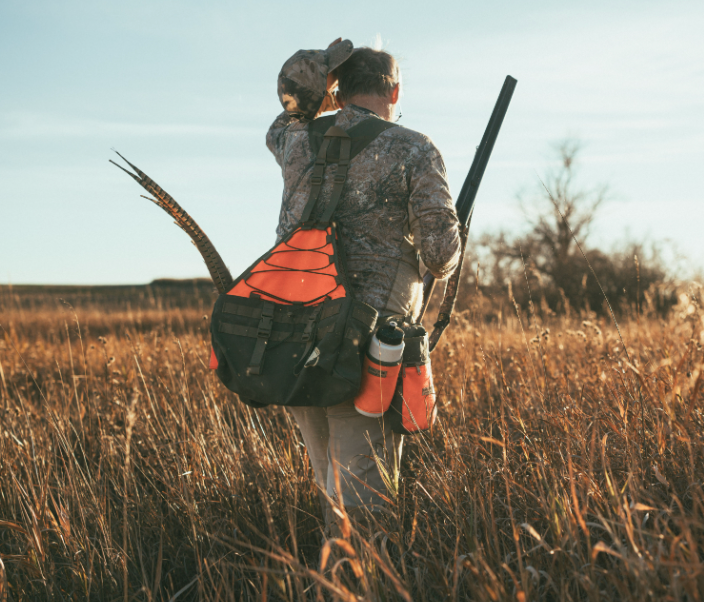
- A strap vest system built for the terrain. The Final Rise Summit XT is built as a complete strap vest system for hunters who want maximum adjustability and modular storage for a full day in the field, while the Final Rise Summit, an Outdoor Life "Best Vest of the Year" pick, offers the same core strap vest design for hunters covering serious mileage on pheasants. For hunters looking for a lighter-duty or entry-level option, the Legacy and Sidekick vest systems deliver the same modular strap vest advantages at a lower price point.
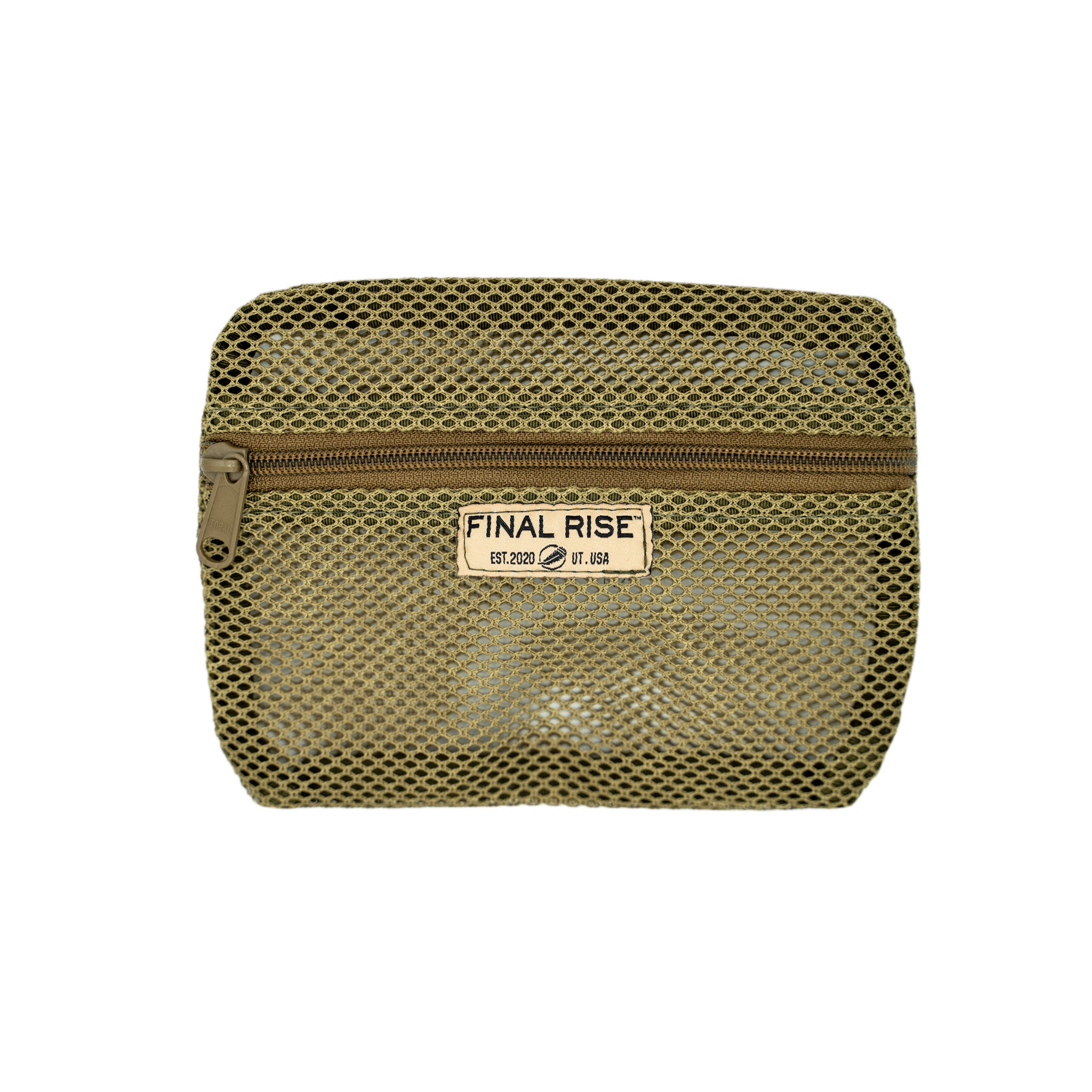
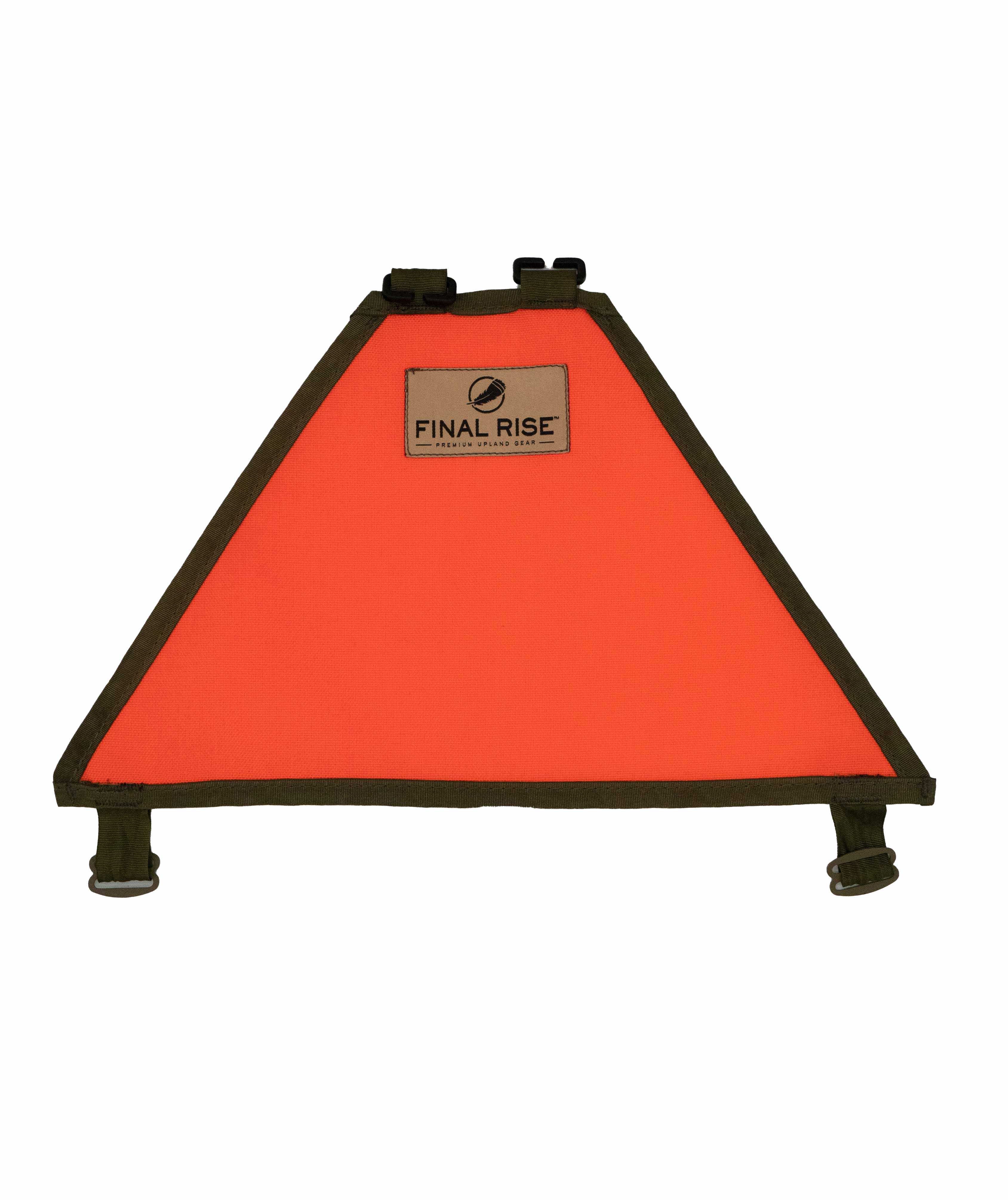
- Modular accessories for the day's conditions. Mesh storage pouches and modular rear blaze panels let you configure your vest system for the specific hunt, whether that's a quick morning walk near the truck or a full day covering CRP and cattails.
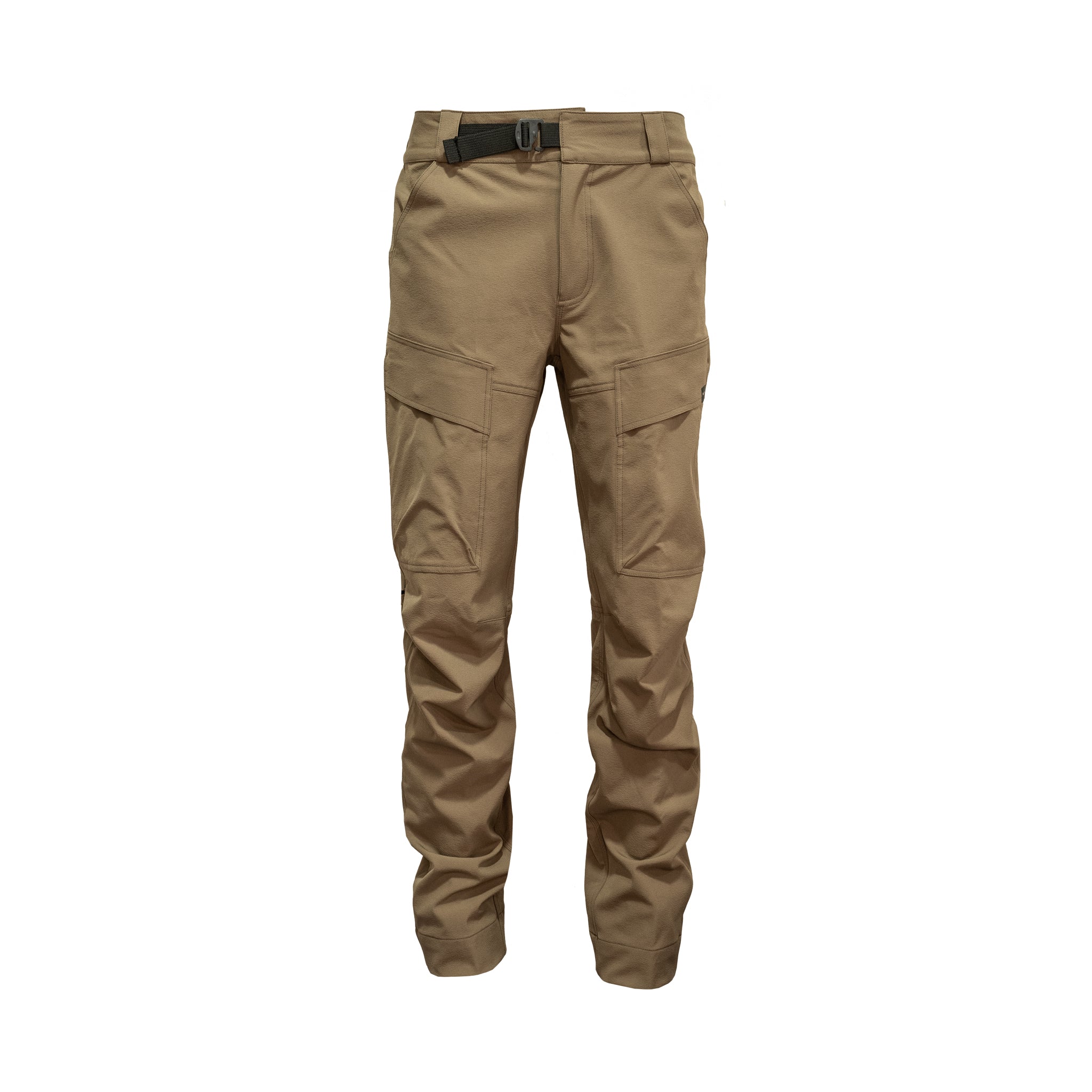
- Durable, weather-ready field pants. Pheasant cover is hard on clothing, from cattails and cockleburs to sharp grass and brush. A built-for-the-field pant like Final Rise's All Terrain Field Pant is designed to hold up to that kind of daily abuse.
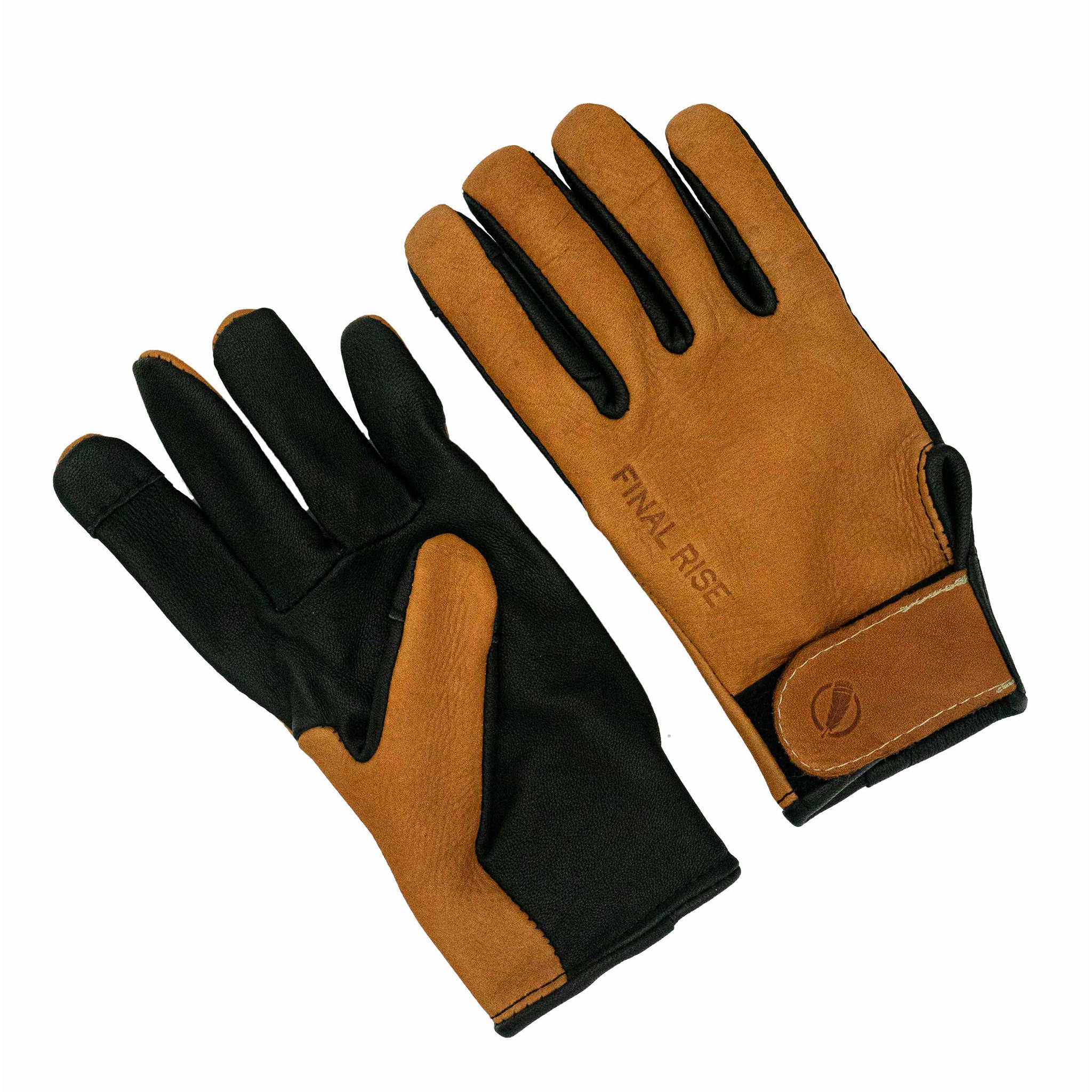
- Field gloves. A quality pair of field gloves protects your hands from cold mornings, thick cover, and handling birds throughout the day.
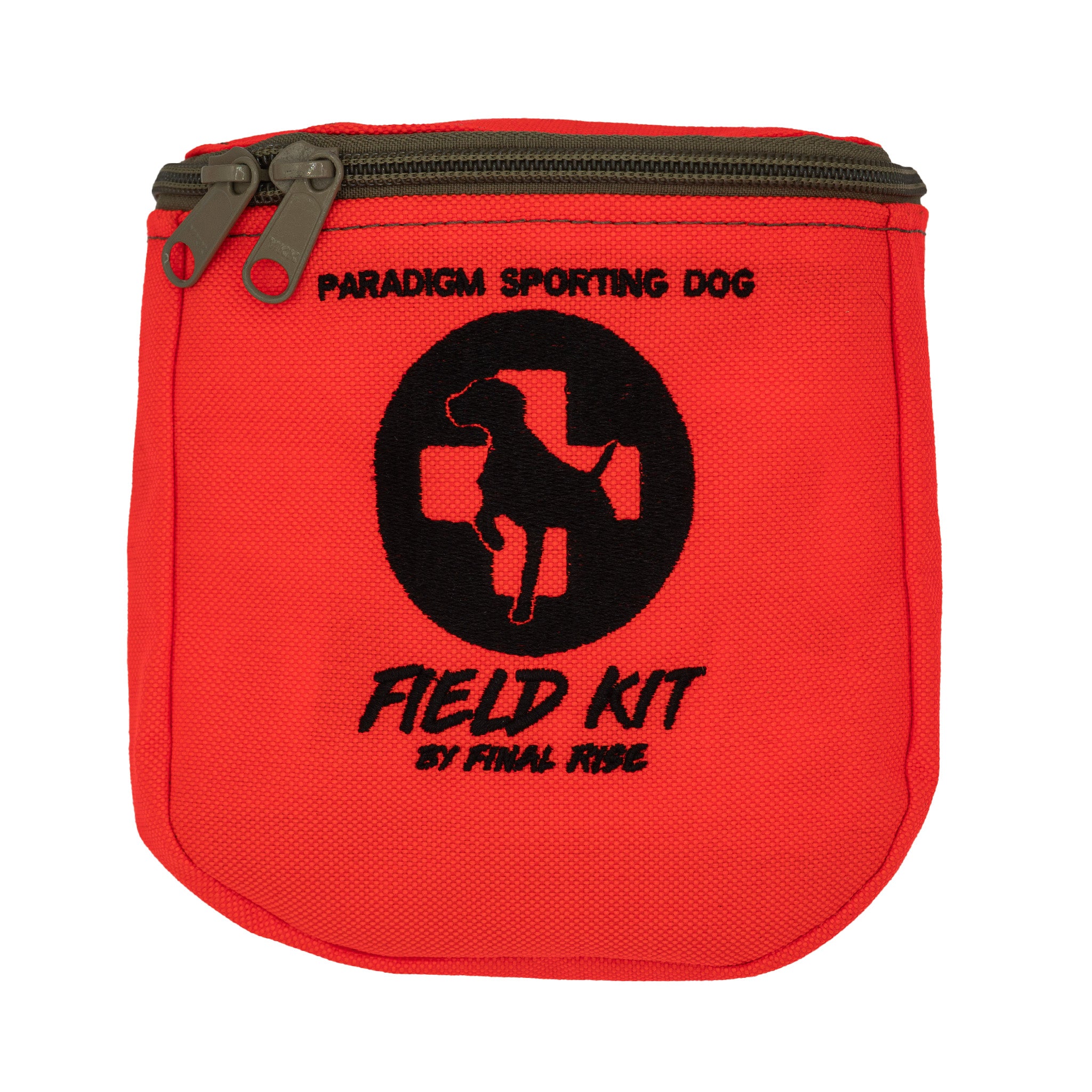
- A first aid field kit. With dogs working heavy cover and hunters carrying firearms, a compact first aid kit is a simple addition that belongs in every vest.
Building a system around a modular strap vest means you're not stuck with one fixed setup all season. You can strip your gear down for a quick evening hunt or build it out for a full day on public land, all with the same core system.

Frequently Asked Questions
What is the best time of day to hunt pheasants?
Early morning and late afternoon tend to be productive, as birds move between roosting cover and feeding areas. Midday hunts can still produce, especially when pushing heavy cover where birds are holding tight.
Do you need a dog to hunt pheasants?
A dog isn't strictly required, but it dramatically improves both your ability to find birds and your ability to recover downed birds, since pheasants are notorious runners even when hit well.
What's the difference between early-season and late-season pheasant hunting?
Early-season birds tend to hold in more typical cover and haven't experienced much hunting pressure. Late-season birds often push into heavier cover like cattails and shelterbelts and can flush wilder due to accumulated pressure and colder weather.
What should I wear pheasant hunting?
Layering is key, since pheasant hunts often start cold and warm up quickly with exertion. A modular strap vest system lets you adjust your setup and storage as conditions and cover change throughout the day.