
Sharptailed Grouse Hunting Gear: Complete Checklist
You don't work sharptail grouse country the same way you work good pheasant habitat. You're covering more miles, in higher temps, across ground that's just as likely to throw a cactus patch or a porcupine at your dog as it is a covey of birds. This is the no-bullshit gear checklist for a sharptail hunt: what actually earns a spot in your truck, and what you can leave behind.

Firearms & Ammo
Sharptails are a smaller bird than a rooster pheasant, and early in the season they're often uneducated enough to hold tight or flush close, which means you don't need to be over-gunned. An Improved Cylinder or Modified choke covers most early season flushes inside 30 yards, and a lighter shot size than you'd run for pheasant does the job just fine.
- Lead (where legal): size 7.5-8 early season for close, uneducated birds; move up to size 6 as the season progresses and birds get wary and wild-flushing
- Steel (required on most public WMAs and refuges): size 5-6 works as a season-long load, covering both early close flushes and the longer shots you'll take later in the year
For the full breakdown on matching shot size, choke, and effective range to the bird in front of you, check out our Upland Bird Shot Size Chart: Where Do I Start?
Upland Bird Vest
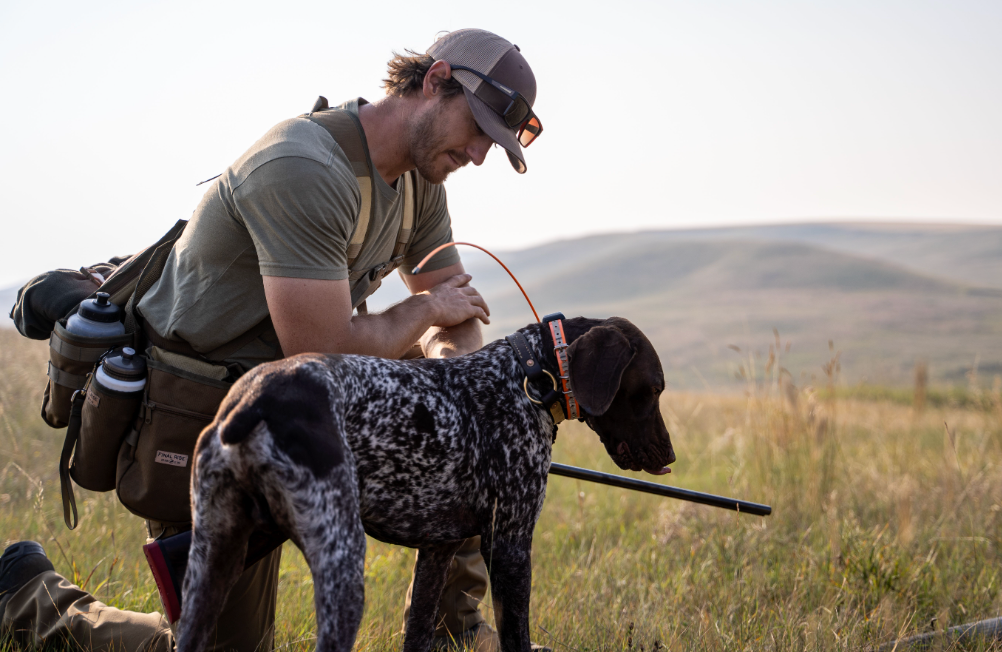
Sharptail hunting means walking a lot of open ground, often five to ten miles a day, frequently in weather that's warmer than you'd like. The vest you want here isn't the same one you'd reach for on a cold, wet pheasant opener. Look for something light, breathable, and built to carry real water, since your dog is working just as hard in the heat as you are, without piling on capacity or structure you don't need for a modest bag limit.
The Sidekick Vest System is built for exactly this problem. It weighs under 2 lbs, and the shoulder straps come off entirely so you can run it off the waist belt alone when the temperature climbs, which matters more on a sharptail hunt than almost anywhere else in upland hunting. It still ships with two 32 oz bottles and holders, plus enough shell and gear storage for a day on the prairie, without the bulk of a full-sized vest you don't need for a handful of birds. If you're hunting long enough days that you want hydration bladder compatibility, or you're pairing sharptails with an early chukar or pheasant hunt where bag limits run higher, consider stepping up to the Summit instead; it keeps the same bottle and bladder capacity in a still-light 2.85 lb package.

Clothing
Heat management is the theme for sharptail clothing, start to finish. For an upper layer, our Bamboo Sun Tech Hoodie is built for exactly this kind of hunt: UPF 50 sun protection for wide-open prairie with zero shade, and a bamboo fabric that breathes and wicks sweat instead of trapping it. Pair it with a light long-sleeve base layer underneath rather than a heavy shell; sharptail hunts rarely call for the kind of weatherproofing you'd want for a late-season pheasant push through wind and rain.
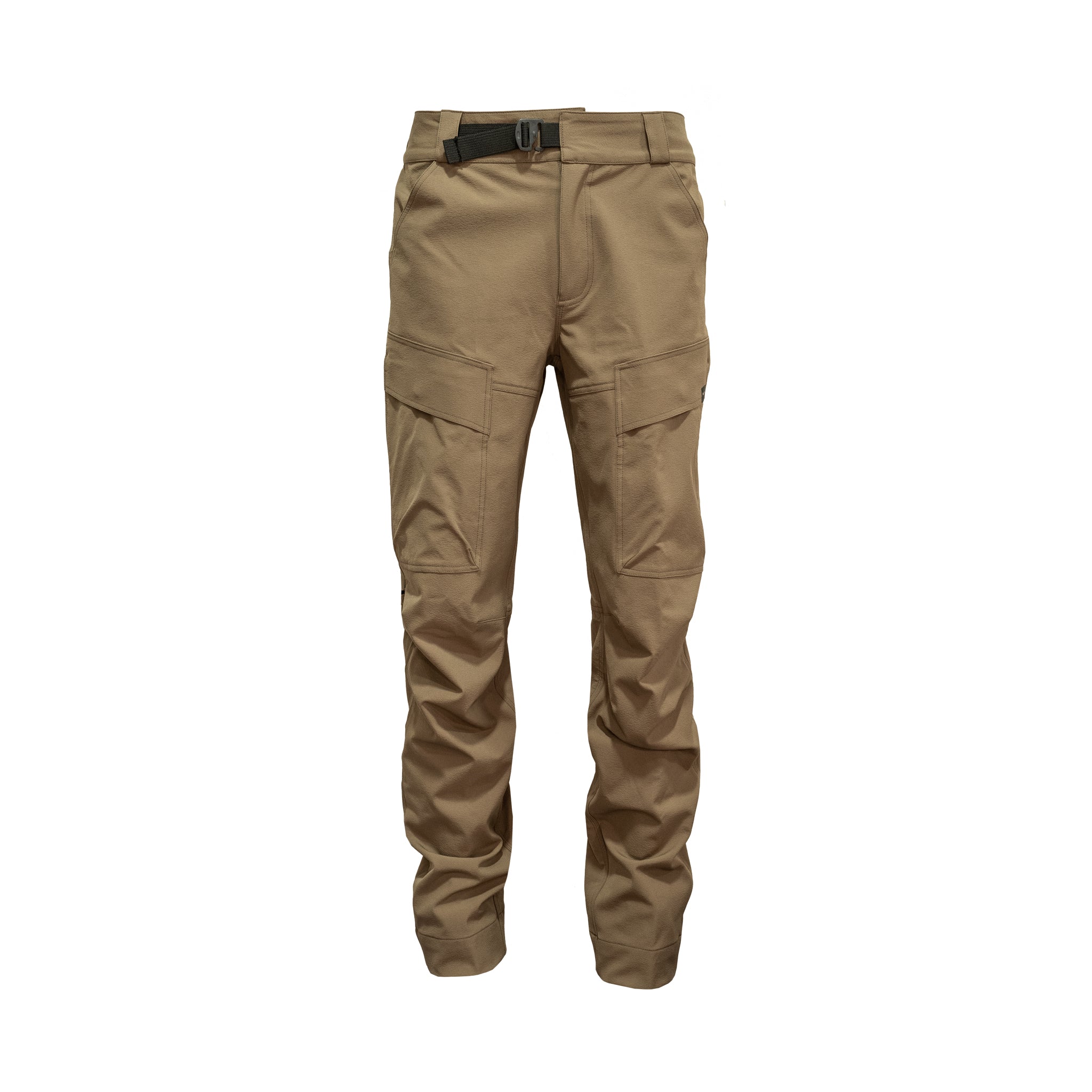
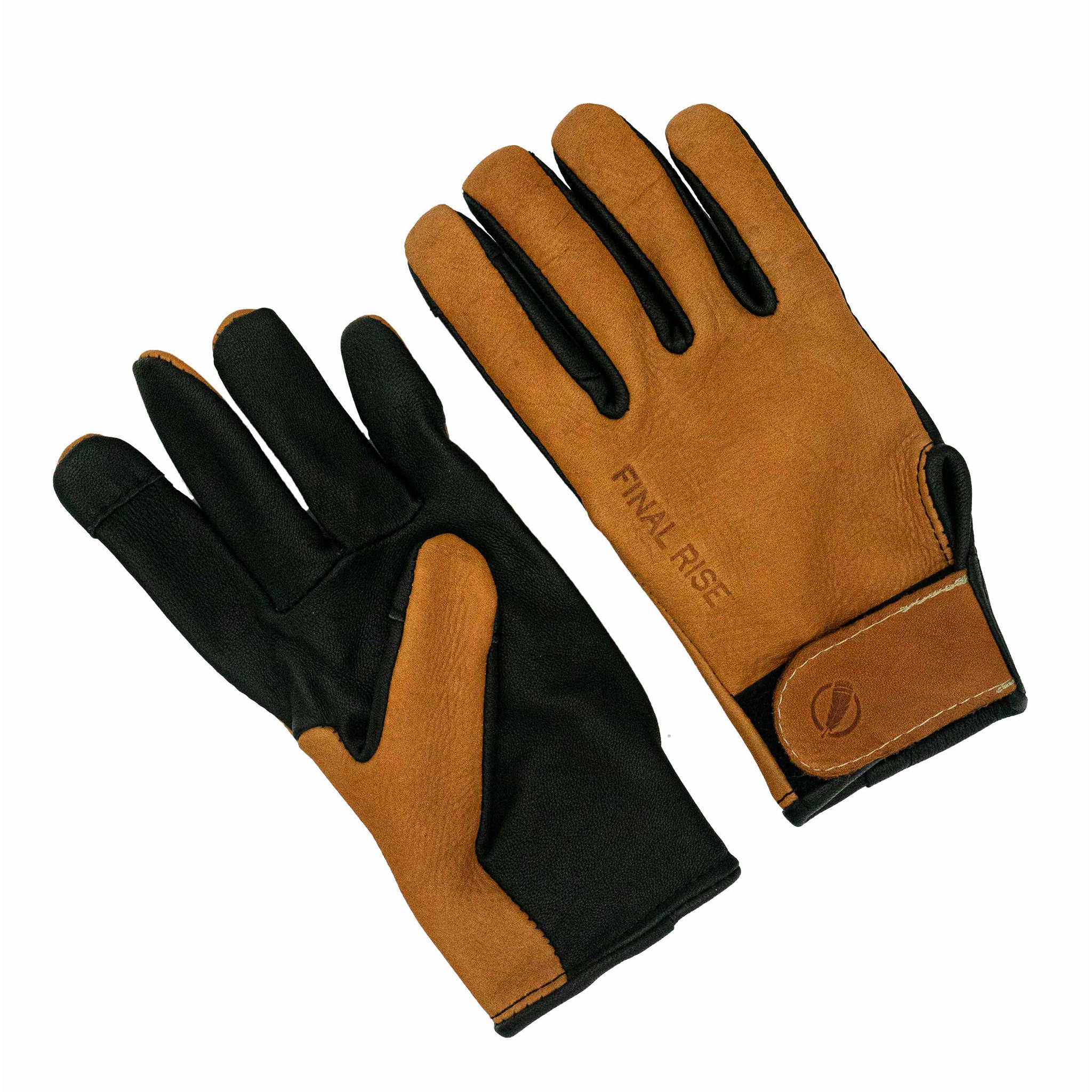
Skip the heavy brush pants too. Sharptail cover is mostly grassland, not the thorny, bramble-choked draws you find on a pheasant or ruffed grouse hunt, so a breathable, abrasion-resistant pant like our All Terrain Field Pant handles the terrain without cooking you in the process, thanks to its zippered side vents and 4-way stretch build. Round it out with a good pair of lightweight wool or wool-blend socks, a blaze orange hat so that your buddy can pick you out of the shortgrass country hills, and a pair of Field Gloves that will keep your hands mobile on those cool September mornings.
Boots
Prairie ground calls for a different boot than pheasant marsh or CRP. You want something lower-cut and more breathable than a tall, heavily insulated upland boot, since you're covering serious mileage in warm conditions and standing water usually isn't the problem it is on a pheasant hunt. Look for a lightweight hiking-style upland boot with a supportive midsole for long miles, good ankle support for uneven, rocky ground, and enough toe protection to handle cactus and yucca without flinching. Insulation is rarely necessary for an early season sharptail hunt; breathability matters far more than warmth here.

Odds & Ends
This is the stuff that separates a good sharptail hunt from a miserable one, especially once cactus and porcupines get involved.
- GPS system: A Garmin handheld or dog-tracking GPS earns its keep on open prairie just as much as it does in thick cover, since sharptails will pull a dog a long way out front. Keep it protected with a 550 Handheld Pouch or Alpha Handheld Pouch, both of which mount straight to your vest.
- Sunscreen and sun protection: There's no tree line on most sharptail ground. Between the sun hoodie and a good sunscreen, plan on protecting your skin the same way you'd plan for a day on the water.
- Extra water: Beyond what your vest carries, keep a couple jugs in the truck. Prairie hunts run hot and dry, and you don't want your only water source strapped to your back three miles from the rig. You never know, after a hot day a good douse in cool water feels pretty dang good.
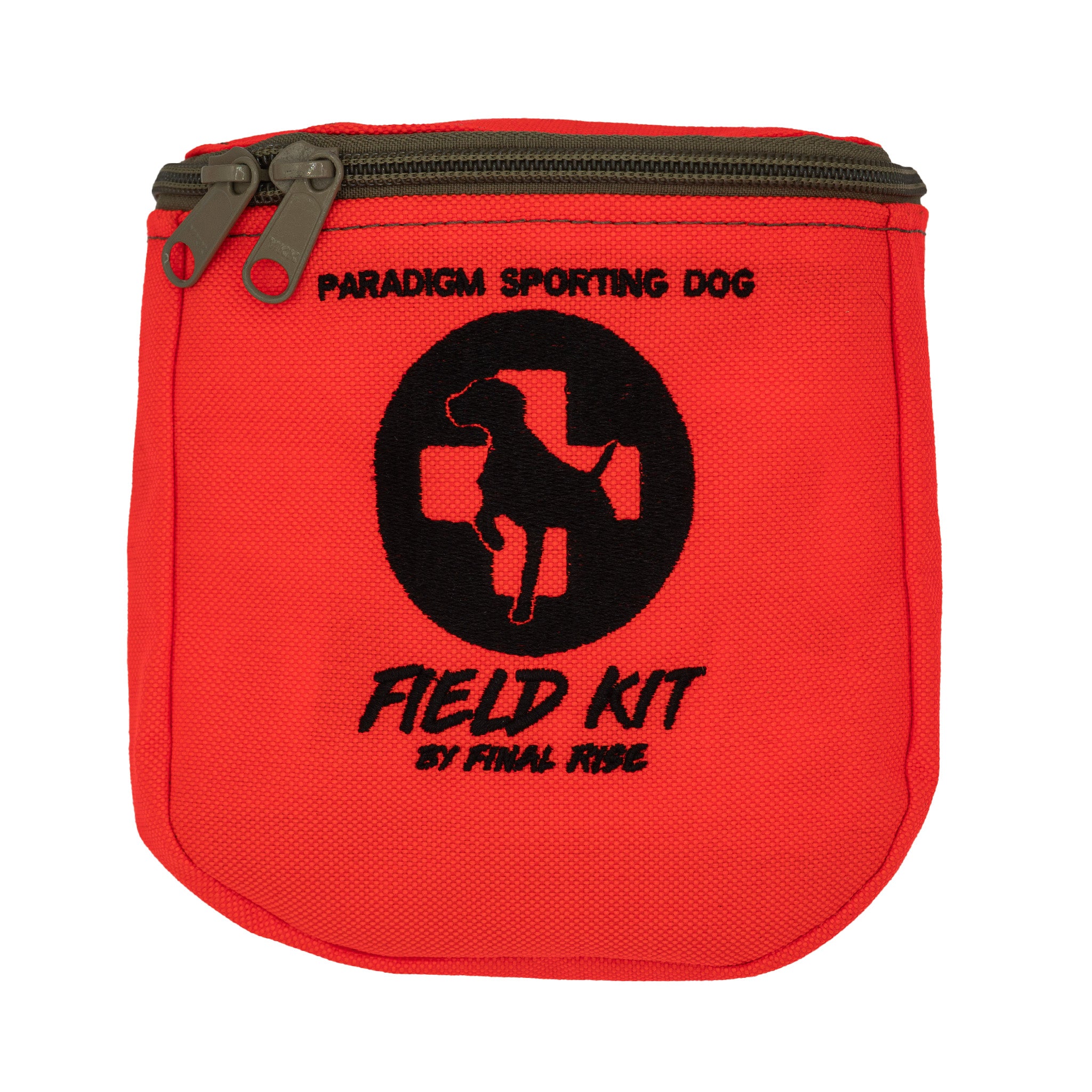
- First aid kit: This is the one piece of gear that matters most on prairie ground, because sharptail country comes with two hazards pheasant fields mostly don't: porcupines and cactus. A quilled dog or a paw full of cactus spines isn't a maybe out here, it's a when. Our First Aid Field Kit carries hemostats and thumb forceps for exactly this job: clamp at the base of a quill and pull slow and steady, re-clamping closer to the skin if it starts to bend, or use the fine-tipped forceps to work cactus spines and thorns out of a paw or muzzle. Read our full breakdown on this how-to blog before you're standing in a prairie dog town pulling quills with your fingers.
- Pocket knife: Same as any bird hunt, you need one to clean birds at the end of the day. A small, sharp folder is all sharptails require.
- Camp setup: Sharptail season lines up with some of the best weather of the year to camp. A tent, cot, and sleeping bag turn a long day on the prairie into a proper trip, especially with a campfire and a tired dog at the end of it. Add a mini grill or camp stove setup so that you can enjoy the trip's bounty in the field with your friends.