
Ruffed Grouse Hunting Gear: Complete Checklist
Ruffed grouse don't give you time to think. They flush inside 20 feet, usually behind a screen of aspen saplings, usually from a direction you weren't looking, and you get about a half second to find a hole in the brush before the bird's gone. This is the no-bullshit gear checklist for ruffed grouse hunting: what actually earns a spot in your vest when the cover is thick and the shots are close, and what's just dead weight.
Firearms & Ammo
Ruffed grouse hunting rewards a light, fast-handling gun over anything built for reach. Most shots break inside 20 yards in thick second-growth cover, which means an open choke and a gun you can mount and swing without hesitation matter more than payload or pattern density. Skeet or Improved Cylinder handles nearly all ruffed grouse shooting; you'll rarely need anything tighter when the bird is often gone before it clears the first row of saplings.
- Lead (where legal): size 7.5-8 works for the thick, close-cover shooting that defines early season; move up to size 6 late in the year once leaves drop and birds start flushing a little farther out
- Steel (required on some public land and refuges): size 6 covers the season without much need to adjust, since ruffed grouse shots stay close even as the woods open up
For the full breakdown on matching shot size, choke, and effective range to the bird in front of you, check out our Upland Bird Shot Size Chart: Where Do I Start?

Upland Bird Vest
A ruffed grouse vest has to disappear on your body. Thick aspen and alder cover will catch and snag anything bulky, and a vest with a lot of structure hanging off it turns every thicket into an obstacle course. What you want is something light, low-profile, and built to move with you as you duck under deadfall and push through tangles, with enough capacity for a handful of birds and a box of shells, not a full day's worth of gear you won't use in cover this tight.
The Sidekick fits the job particularly well. It weighs under 2 lbs, and the shoulder straps are removable, which matters in thick cover as much as it does in heat, since a lower-profile fit means less to snag on briars and branches. It still carries two 32 oz bottles and enough shell and gear storage for a day in the woods, without the bulk of a full-sized vest that has no business in cover this tight. If you want a touch more structure and shell capacity while staying light, the Summit XT is our all-around best option at 3.2 lbs, still built around a non-padded harness that won't hang up on brush.

Clothing
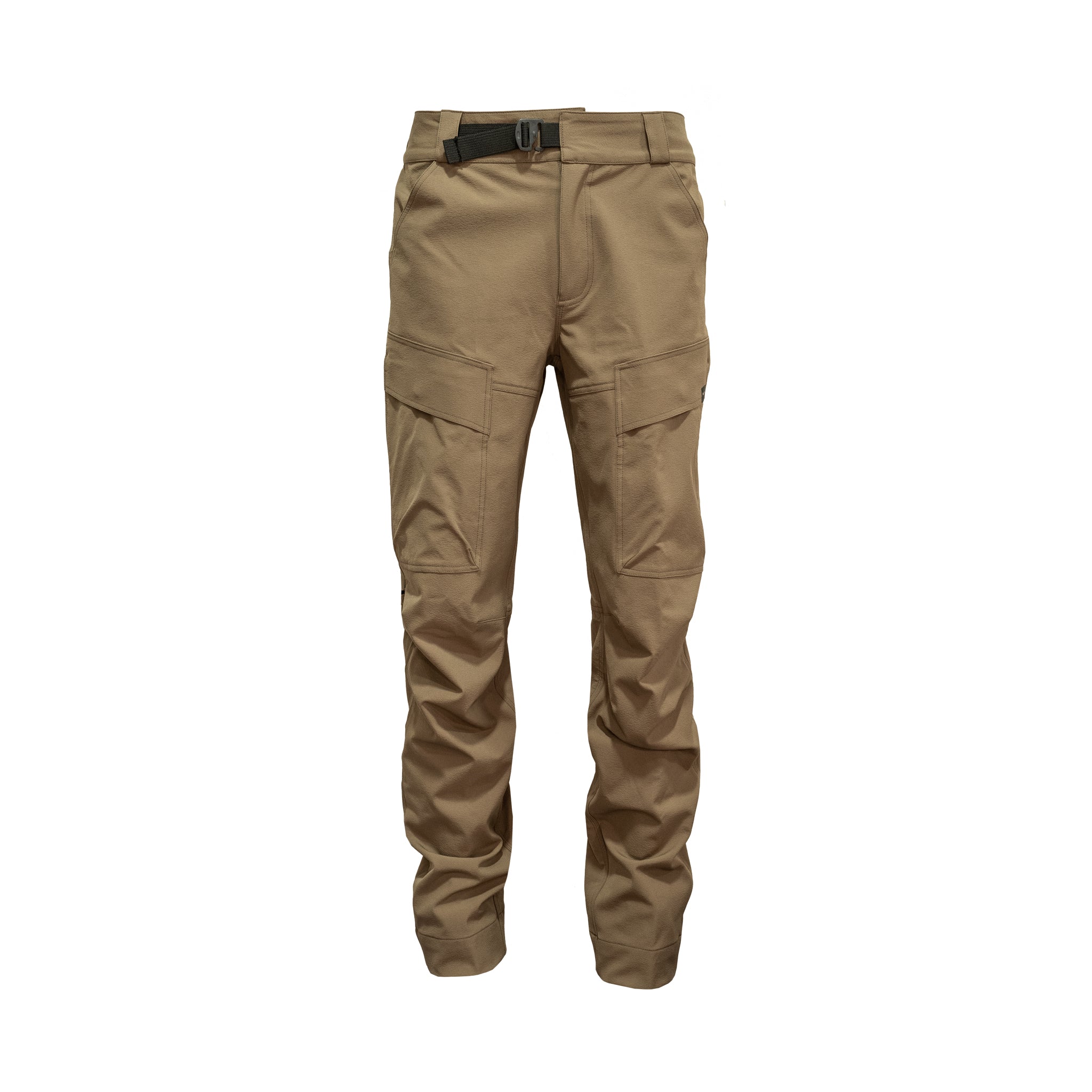
Thick cover means thorns, and thorns mean your pants matter more on a ruffed grouse hunt than almost any other piece of gear you'll wear. Thornapple, multiflora rose, and blackberry canes will shred anything that isn't built to take a beating, and early mornings in the woods mean pushing through brush still soaked with dew before the sun burns it off. Our All Terrain Field Pant holds up well here, with a double-layered, 4-way stretch build from the thighs down and a DWR coating that sheds dew instead of soaking through by 9 a.m. If you're hunting the nastiest thornapple tangles and multiflora rose thickets ruffed grouse love to hold in, step up to a dedicated brush pant like the First Lite Sawbuck; the reinforced front panels handle punishment an all-around field pant isn't built for.

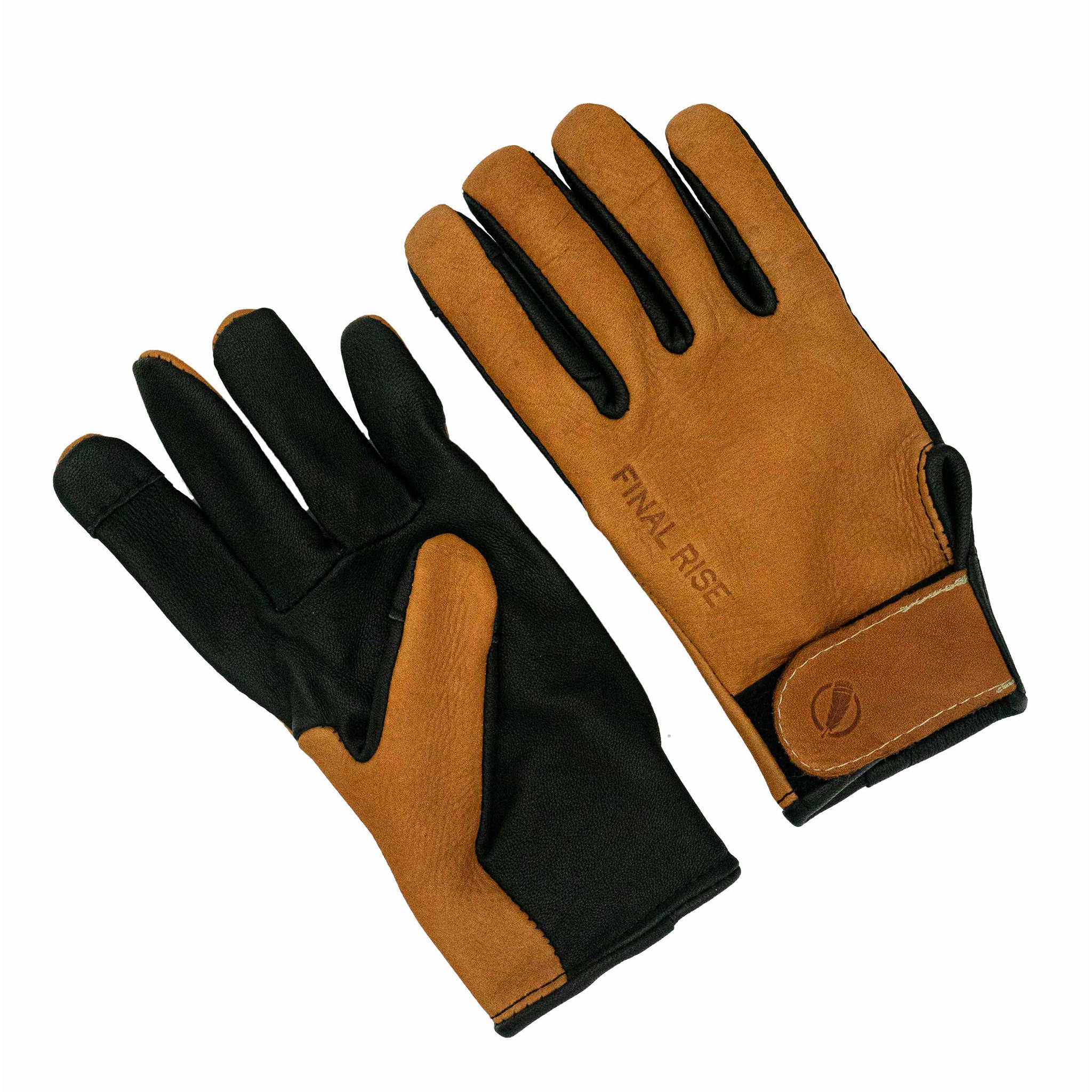
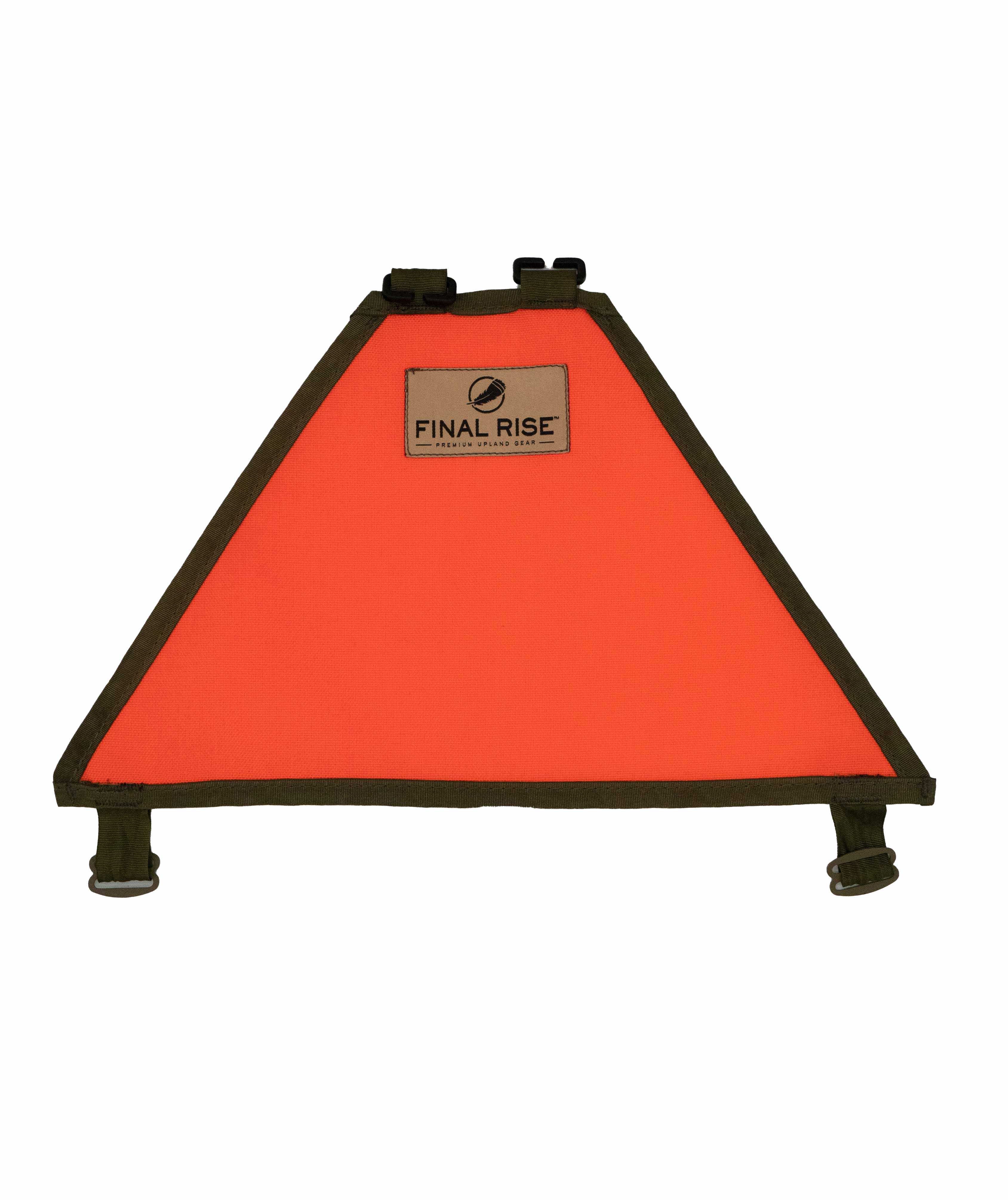
Layer a light long-sleeve shirt underneath for scratch protection even in warm early season weather, and don't skip a good pair of gloves. Thorns will tear up bare hands fast, and our Field Gloves hold up to brush while still giving you the dexterity to handle a gun. Blaze orange isn't optional here either; ruffed grouse season overlaps with deer season across most of its range, and you need to be seen in cover this thick regardless of what the law requires. Our Stitched Performance Cap in Blaze covers your head; if your vest doesn't already carry enough blaze orange for the cover and company you're hunting in, add more.
Boots
Ruffed grouse ground is uneven forest floor, not open prairie or standing marsh water, so you don't need a tall, heavy boot built for mud and wet cover. Look for a mid-height, well-broken-in boot with real ankle support for navigating roots, deadfall, and hillside sidehills, and a grippy outsole that won't slide out on wet leaves. Waterproofing still matters for dew-soaked mornings and the occasional creek crossing, but insulation rarely does; you're moving too much in thick cover to need a heavy, warm boot most days of the season.

Odds & Ends
This is the stuff that makes or breaks a day in cover this thick.
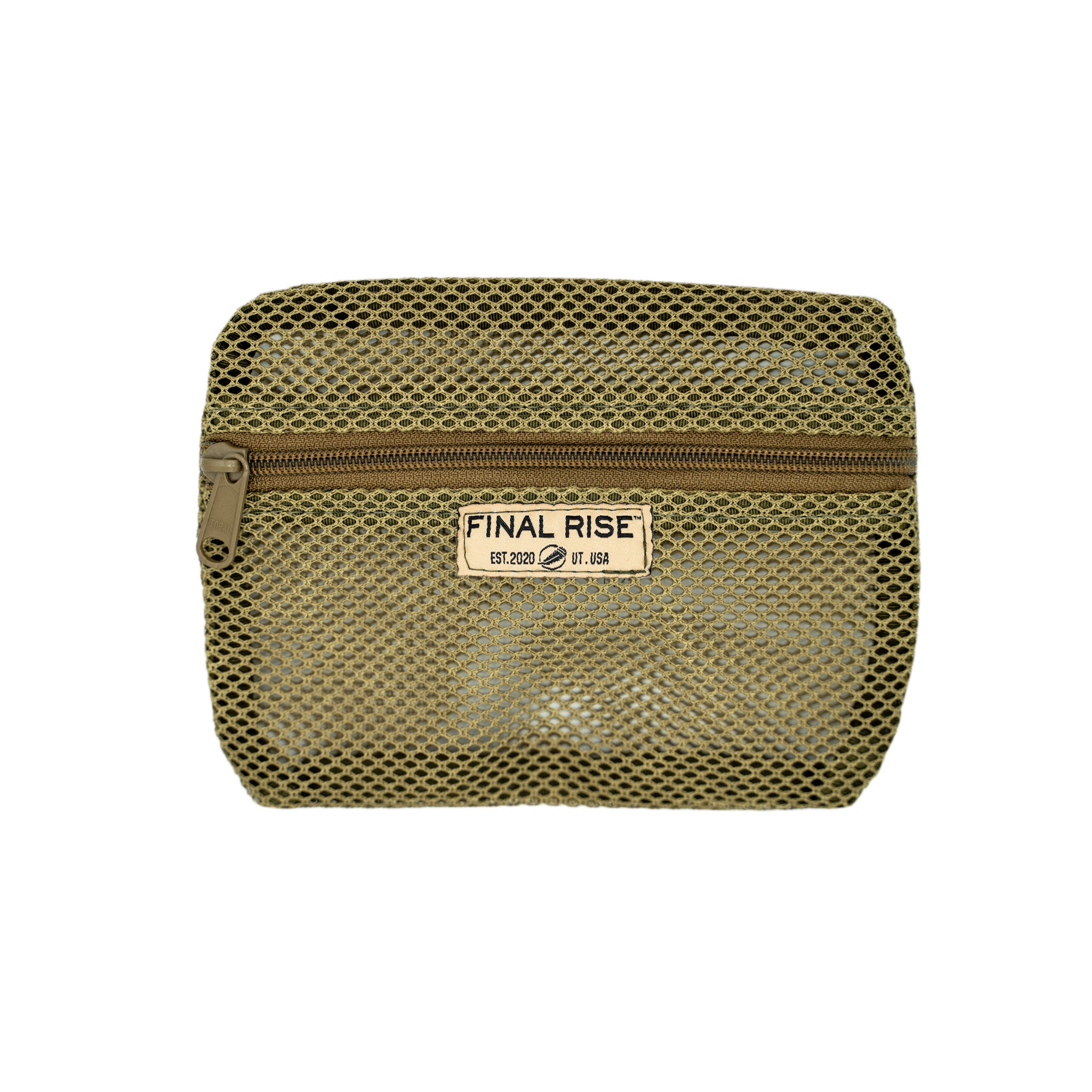
- GPS or beeper collar: Visibility disappears fast in thick aspen and alder, and you'll lose a pointing or flushing dog from sight in seconds. A GPS collar or a bell is close to mandatory here, not optional. Keep a handheld protected with a 550 Pouch or Alpha Pouch, both of which mount straight to your vest.
- Tick and insect repellent: Early season ruffed grouse hunting happens in warm, humid deciduous woods, and ticks are a real concern in a way they usually aren't on open prairie or marsh hunts. Treat your clothes and check yourself and your dog at the end of every hunt.
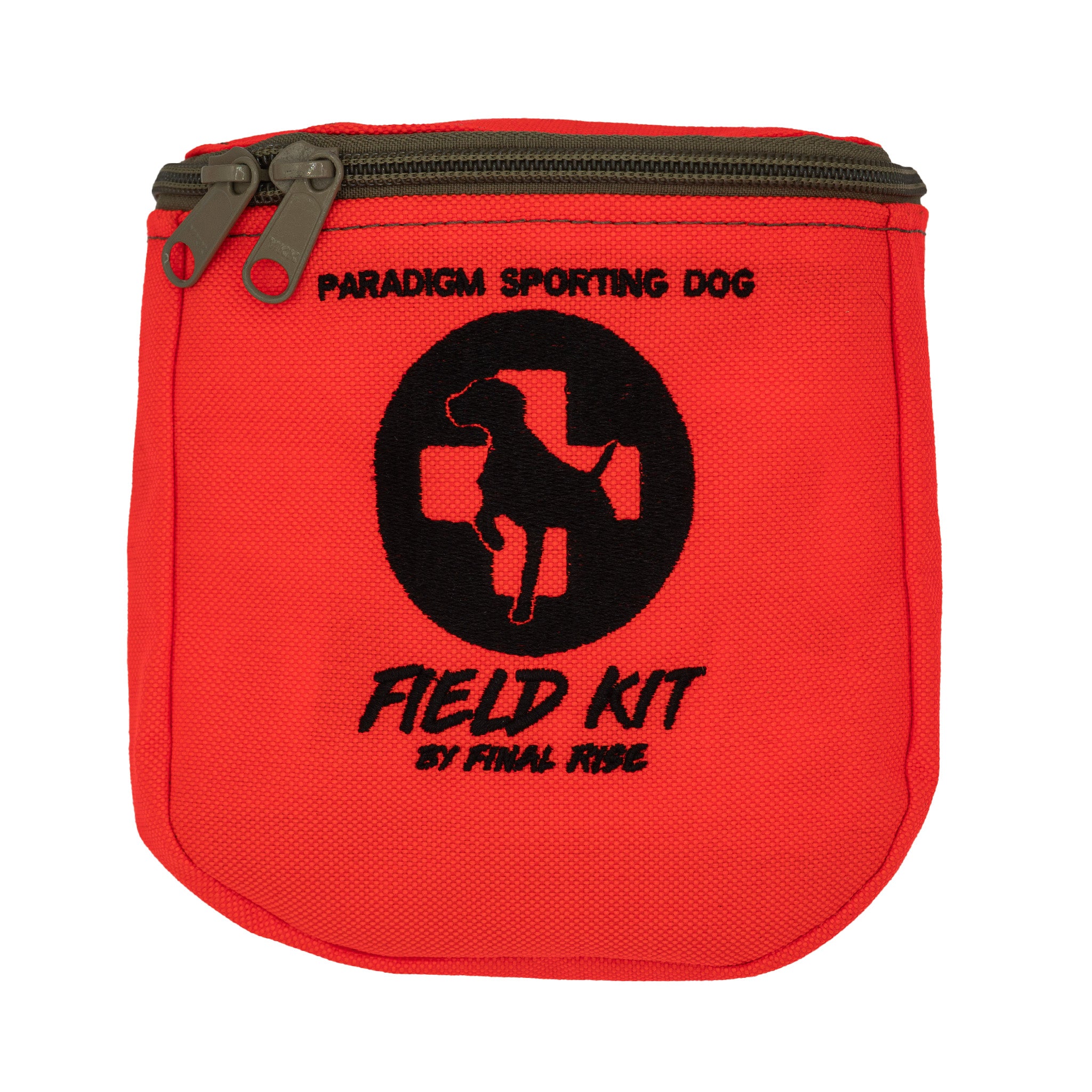
- First aid kit: Thick cover means embedded thorns, briar scrapes, and the occasional tick that needs pulling, on top of the usual field injuries. Our First Aid Field Kit carries fine-tipped thumb forceps built for exactly this kind of small, precise work, along with the bandaging and wound care to handle a scrape or puncture from a thornapple branch that got the better of your dog.
- Pocket knife: Same as any bird hunt, you need a sharp folder to clean birds at the end of the day.
- Camp setup: Ruffed grouse season lines up with peak fall color across most of its range. A tent, cot, and sleeping bag turn a weekend in the hardwoods into a proper trip, with a campfire and a scratched-up, worn-out dog at the end of each day.
Get this list dialed in before you step into the first aspen stand of the season, and the only thing that'll catch you off guard is the bird.