
Late Season Upland Bird Hunting Tactics
Late season upland bird hunting separates the men from the boys and the ladies from the gals.
Snow can be deep, roads can be sloppy and birds have likely seen a dog or two.. But for hunters willing to adapt, late season can deliver some of the wildest, hardest-earned birds of the year—often with fewer people in the field.
In this walk through and guide, we’ll break down late season upland hunting strategies by species, explain how bird behavior changes as winter approaches, and share practical tips to help you locate birds, hunt smarter, and capitalize on late-season opportunities.
Why Late Season Upland Birds Are Different
By late season, most upland birds have:
-
Survived months of hunting pressure
-
Learned escape routes and preferred cover
-
Shifted daily movement patterns
-
Consolidated into survival-driven habitat
Success now depends less on covering ground blindly and more on reading habitat, understanding pressure, and slowing down.
Late Season Pheasant Hunting Tips
Late season pheasants are tough, smart, and tightly tied to survival cover.
When you think of cover, think of ‘thermal cover’ and what types of habitat are going to hold heat. It’s not just protection from predators the birds are seeking, it’s somewhere they get the most bang for their body energy’s heat retention.
Where to Find Late Season Pheasants & The Cover They’ll Be In
-
Thick cattails, sloughs, and reed beds
-
Shelterbelts and overgrown fence lines
-
South-facing slopes with thermal cover
-
Standing or recently cut corn near heavy cover
Birds will often run before they fly. If you’re able to hunt with friends, having a wing-man up and off to the side of the cover can be helpful to capitalize on birds that run from dogs (pointing or fushing breeds) and try to run and then fly after they believe they’ve created enough separation.
ALWAYS be aware of your hunting partner's location and use blaze orange as appropriate.
How to Hunt Them Successfully
-
Push cover slowly and deliberately
-
Hunt into the wind to limit running birds
-
Focus on pinch points and bottlenecks
-
Expect long flushes—keep shots disciplined
Late season pheasant hunts reward hunters who can carry water, extra shells, layers, and birds without bulk, making streamlined load-bearing systems critical.
Late Season Ruffed Grouse Tactics
Where to Find Late Season Grouse
-
Aspen cuts with remaining buds
-
Alder swamps and lowland edges
-
Conifer stands used for thermal shelter
-
South-facing hillsides after cold nights
Grouse feed heavily in trees and may flush wild or not at all.
Proven Late Season Grouse Strategies
-
Hunt midday after birds leave roosts
-
Move slowly—pause often
-
Watch trees as much as the ground
-
Be ready for fast, unpredictable flushes
Late season grouse hunts favor hunters who pack light but still carry essentials—especially when snowshoes or long hikes are involved.
Sometimes late season Ruffed grouse is at much about birds in the bag as it is about the adventure and fun effort put in to create opportunities.
Late Season Chukar Hunting Strategies
Chukar hunting gets brutally honest late season and having a plan, both for traveling to and from the mountain and how to objectively pursue the birds, is hyper critical.
Just the other day I got a text and picture from a friend who had to spend the night in his truck because the roads melted and got too soupy to drive out. He waited till early morning, when the ground was frozen again, to make his exit.
Where Late Season Chukar Hold
-
Steep, south-facing slopes where the winter sun hits and exposes food.
-
Rimrock and cliff bands with sun exposure. Thermal heat retained by the rocks melt the snow near them and expose food sources.
-
Lower elevations during snow accumulation.
-
Sparse cheatgrass mixed with rock
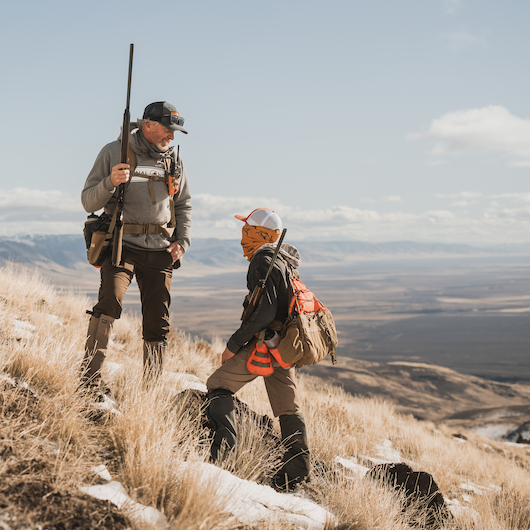
Birds will often flush downhill or run far ahead. How you approach the dog and point will dictate the types of ‘looks’ the birds give you. Drop down to the birds elevation and side hill across to them for the best chances.
Tips to Kill More Late Season Chukar
-
Start low and hunt up into the wind
-
Slow your pace—watch dogs carefully and trust their noses.
-
Expect longer shots and plan accordingly between choke and shot size combos.
-
Hydration still matters, even in cold weather. Don’t forget to drink while you hike.
Late season chukar hunts demand efficient hydration, ammo access, and minimal bounce, especially when sidehilling for hours.
Late Season Sharptail & Prairie Grouse Hunting
Ruffed grouse become ghosts once snow piles up and leaves fall.
Where to Find Late Season Grouse
-
Aspen cuts with remaining buds
-
Alder swamps and lowland edges
-
Conifer stands used for thermal shelter
-
South-facing hillsides after cold nights
Grouse feed heavily in trees and may flush wild or not at all.
Proven Late Season Grouse Strategies
-
Hunt midday after birds leave roosts
-
Move slowly—pause often
-
Watch trees as much as the ground
-
Be ready for fast, unpredictable flushes
Late season grouse hunts favor hunters who pack light but still carry essentials—especially when snowshoes or long hikes are involved.
Sometimes late season Ruffed grouse is at much about birds in the bag as it is about the adventure and fun effort put in to create opportunities.
Late Season Chukar Hunting Strategies
Chukar hunting gets brutally honest late season and having a plan, both for traveling to and from the mountain and how to objectively pursue the birds, is hyper critical.
Just the other day I got a text and picture from a friend who had to spend the night in his truck because the roads melted and got too soupy to drive out. He waited till early morning, when the ground was frozen again, to make his exit.
Where Late Season Chukar Hold
-
Steep, south-facing slopes where the winter sun hits and exposes food.
-
Rimrock and cliff bands with sun exposure. Thermal heat retained by the rocks melt the snow near them and expose food sources.
-
Lower elevations during snow accumulation.
-
Sparse cheatgrass mixed with rock
Birds will often flush downhill or run far ahead. How you approach the dog and point will dictate the types of ‘looks’ the birds give you. Drop down to the birds elevation and side hill across to them for the best chances.
Tips to Kill More Late Season Chukar
-
Start low and hunt up into the wind
-
Slow your pace—watch dogs carefully and trust their noses.
-
Expect longer shots and plan accordingly between choke and shot size combos.
-
Hydration still matters, even in cold weather. Don’t forget to drink while you hike.
Late season chukar hunts demand efficient hydration, ammo access, and minimal bounce, especially when sidehilling for hours.
Late Season Sharptail & Prairie Grouse Hunting
Late season prairie birds rely heavily on visibility and escape.
Where to Find Them
-
Windswept ridges
-
Native prairie near grain fields
-
Large expanses with minimal vertical cover
How to Close the Distance
-
Use terrain to hide your approach
-
Work crosswinds when possible
-
Coordinate dog positioning carefully
-
Be patient—one mistake blows the flock
When birds flush at distance, organization and efficiency matter—fumbling shells or gear costs opportunities.
Late Season Quail Hunting Tips
Quail often become more predictable late season—but only if you understand their routines.
Late Season Quail Habitat
-
Brushy draws and creek bottoms
-
South-facing slopes near food
-
Edge cover between feeding and roosting
Late Season Quail Tactics
-
Hunt late morning through afternoon
-
Target loafing cover between feed and roost
-
Be prepared for covey rises and singles
-
Mark flush locations carefully
Late season quail hunts often mean higher bird counts, making balanced bird carry and comfort more important as the day wears on.
Universal Late Season Upland Hunting Tips
Regardless of species, these principles apply across the board:
Slow Down
Late season birds punish rushed hunts. Walk slower, pause more, and let dogs work.
Hunt the Sun
South-facing slopes and thermal cover matter more than ever.
Prioritize Mobility
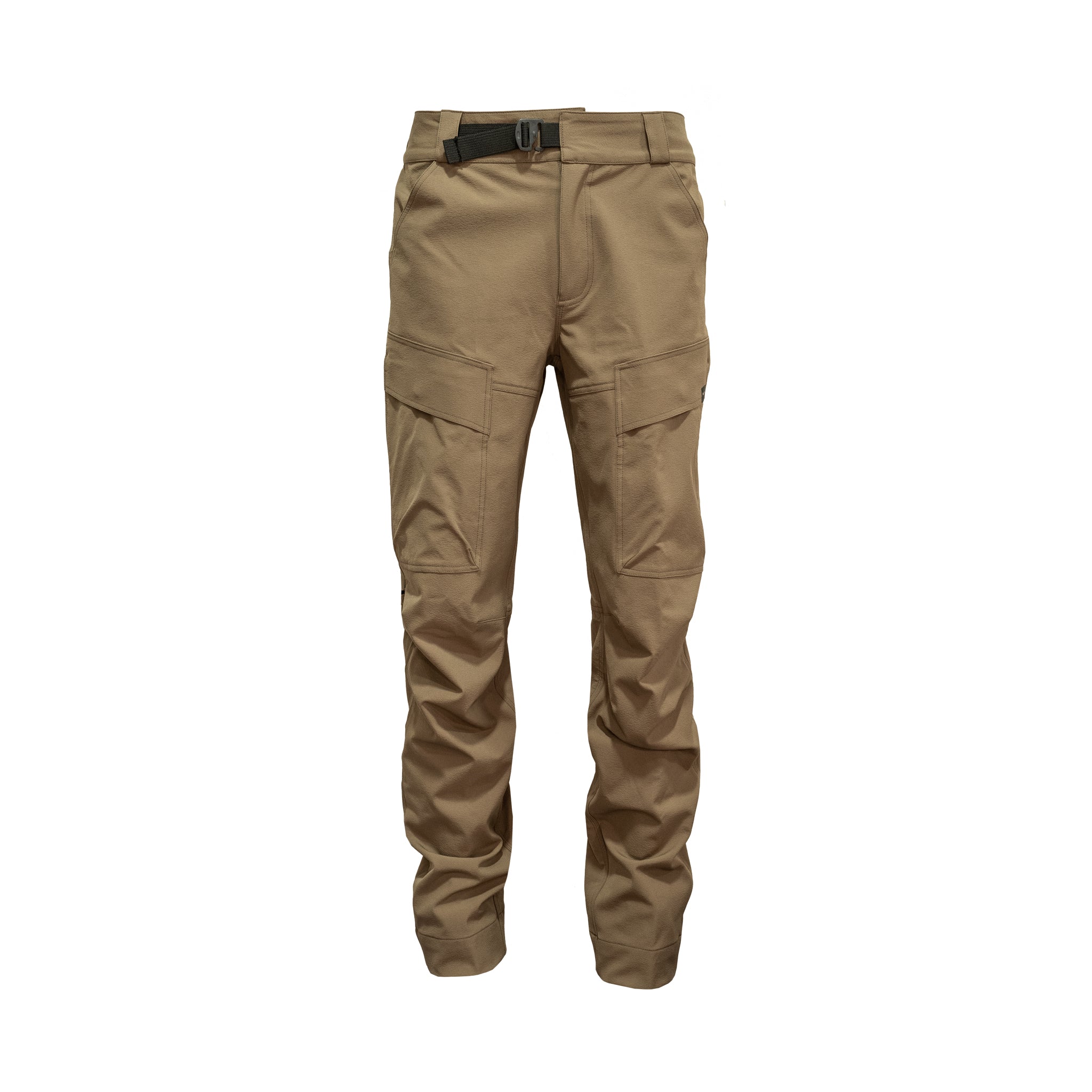
Late season hunts require layers, water, shells, and birds—without excess bulk or movement-restricting gear.
Be Mentally Patient
Late season success often comes in short bursts after long stretches of nothing.
Gear Considerations for Late Season Upland Hunting
Late season hunts are not the time for overbuilt or poorly balanced gear. Hunters benefit most from:
-
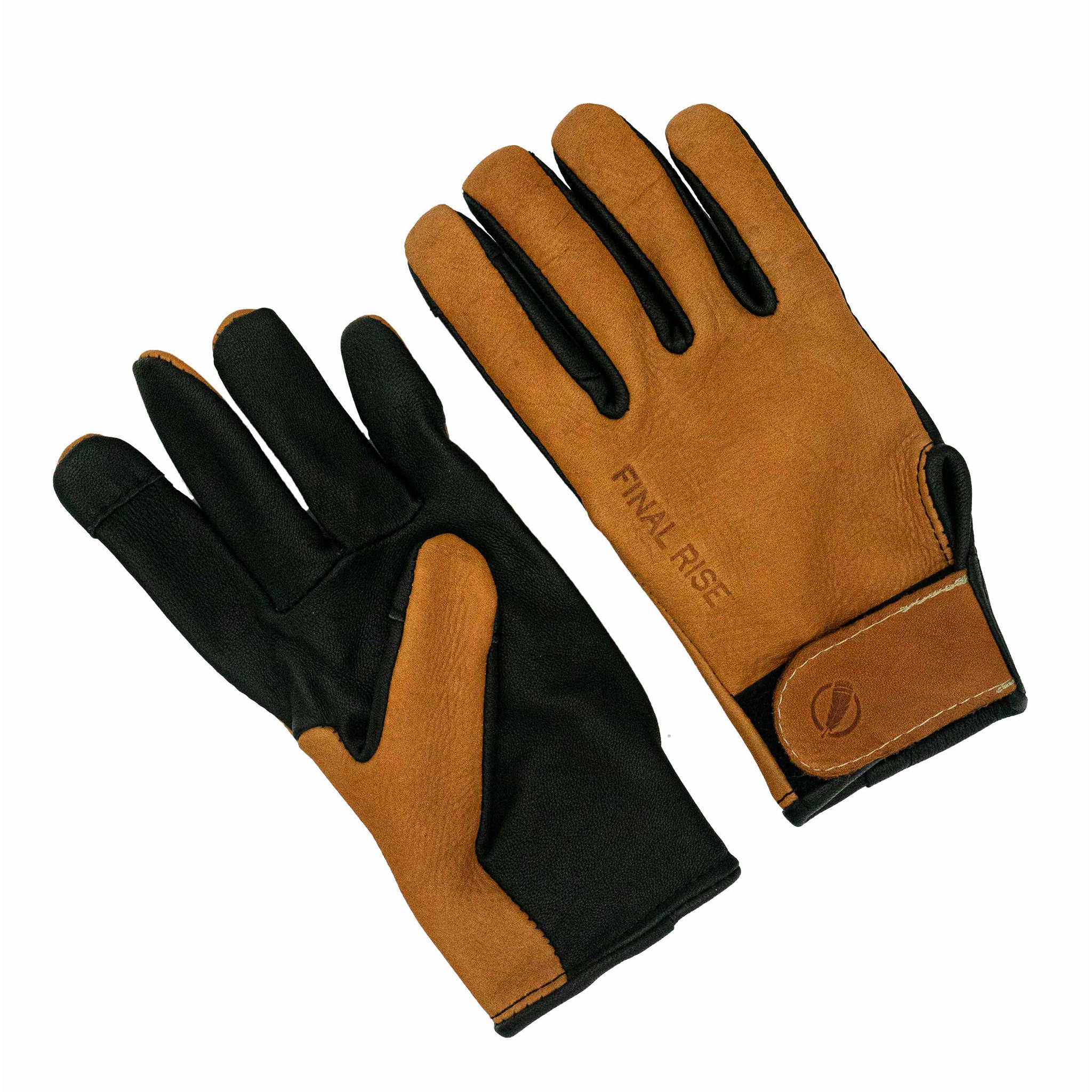
Gear and a vest that’s manageable with gloves on
-
Properly designed vest that distributes weight, layers, water, etc.
-
Hydration without bulky packs
-
Modular storage that adapts to layers and additional late season needs
This is where well-designed upland systems—like those built by Final Rise—quietly shine by keeping you comfortable, improving efficiency, and allowing you to stay focused on birds instead of gear.
If you’re looking to upgrade your vest, check out this link to see our vest models and options. We’d love to help answer any questions or concerns.
https://finalrise.com/collections/upland-systems
Final Thoughts: Late Season Is Earned, Not Given
Late season upland hunting isn’t about limits—it’s about learning, persistence, and respect for wild birds. Every late season bird in the bag represents adaptation, patience, and miles earned the hard way.
If you’re willing to slow down, read the landscape, trust your dog, and refine your system, late season may become your favorite time to hunt.