
How to Hunt Sage Grouse: A Complete Sage Grouse Hunting Guide
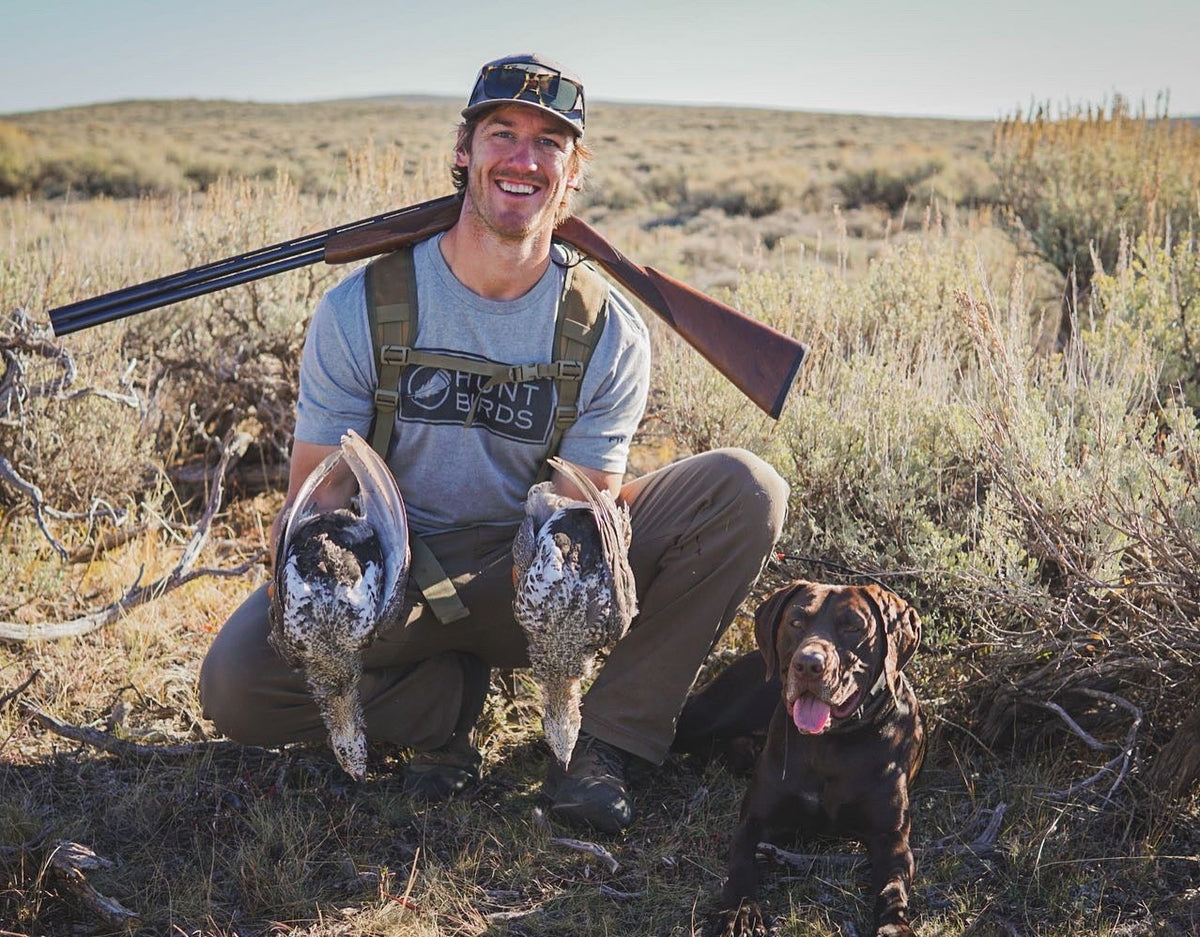
There's no mistaking a sage grouse flush. After miles of empty sagebrush, flat light, and a dog working scent you can't see any sign of, a bird the size of a small turkey erupts almost at your boots, and for a half second every hunter forgets to shoulder the gun. Sage grouse are North America's largest native grouse, and hunting them means committing to some of the biggest, loneliest country in the Lower 48: the sagebrush sea of the Intermountain West. This guide covers everything you need to hunt sage grouse well and responsibly, from their history and habitat to the permit and draw systems that govern nearly every state season, plus shooting tips, dog breeds, tablefare, and the gear that earns its keep in sagebrush country.
The History and Origins of Sage Grouse Hunting in America
Sage grouse have shaped the culture of the sagebrush steppe for far longer than shotguns have. Long before European settlement, the male sage grouse's elaborate spring courtship display, strutting, fanning, and inflating its yellow air sacs on the lek, influenced ceremonial dances among Plains and Great Basin tribes, much as prairie grouse dancing did farther east. Early explorers and settlers described sagebrush country alive with birds; historical estimates put the continental population as high as 16 million before westward expansion began converting sagebrush to farmland and grazing infrastructure.
That number has fallen hard since, to somewhere between 200,000 and 500,000 birds today, driven mainly by sagebrush habitat loss from agricultural conversion, energy development, wildfire, and the spread of invasive cheatgrass. The decline was serious enough that the species was formally petitioned for Endangered Species Act protection in 2002, received a "warranted but precluded" finding in 2010, and came within a hair of federal listing before Congress intervened in 2015, citing an unprecedented, multi-state conservation effort that now covers roughly 90% of the bird's remaining breeding habitat. Hunting survived that process because it remains tightly regulated: states manage seasons conservatively, and research on hunting-related mortality has generally found it compensatory rather than a driver of population decline. What's left today is a hunting opportunity built entirely around careful stewardship, not volume. Many states lean on hunters directly for that stewardship, too, asking successful hunters to submit a wing from their harvest or fill out a hunter survey card. Biologists use that data to track age ratios and productivity across the population, so a few minutes spent bagging a wing after the shot genuinely feeds back into how the season gets managed the following year.
How Popular Is Sage Grouse Hunting Today?
Sage grouse hunting will never be a numbers game, and that's part of what draws hunters to it. Short seasons, capped permits, and genuinely difficult country keep participation low and dedicated. Wyoming, which holds an estimated 38% of the world's entire sage grouse population, is the undisputed capital of the pursuit and the destination most hunters build a trip around. Montana, Idaho, Nevada, and Oregon round out the core range with smaller, still-huntable populations, while Utah, Colorado, Washington, and the Dakotas offer far more limited, tightly capped opportunities on the margins.
For a lot of upland hunters, a sage grouse hunt is less an annual tradition than a bucket-list trip: something planned around a permit, paired with an early-season dove or waterfowl hunt in the same region, or worked into a scouting trip ahead of fall big game seasons. Part of the appeal is simply the bird itself. At up to seven pounds, a mature male sage grouse dwarfs every other grouse species in North America, and the shock of that much bird coming off the ground at close range is an experience that keeps hunters coming back even when the season only lasts a week or two. If sagebrush country has you thinking about other high-desert species, our guide on how to hunt chukar covers similarly punishing, wide-open terrain.
Sage Grouse Habitat: Where to Find Sage Grouse
Sage grouse are sagebrush obligates, meaning they cannot survive without large, connected stands of sagebrush, full stop. Understanding how their habitat use shifts across the year is the key to finding birds in September:
- Lek sites (spring). Males gather at traditional, often decades-old display grounds: open ridgetops, grassy flats, burned patches, and other visually unobstructed openings within the sagebrush. These sites are consistent year over year and useful long-term landmarks even though hunting happens months later.
- Nesting cover. Hens nest under large, mature sagebrush plants with a healthy grass and forb understory, typically within one to three miles of a lek.
- Brood-rearing habitat. Early-summer broods use upland sagebrush with a mix of canopy and understory forbs for insects. By late summer, as uplands dry out, hens push broods toward mesic meadows: wet ground around springs, seeps, and irrigated pastures that keep producing succulent forage into September.
- Fall transition range. By hunting season, birds are shifting out of those wet meadows and back into surrounding sagebrush benches and drainages, feeding on remaining forbs and sagebrush leaves as they begin drifting toward winter ground.
- Winter range. Sage grouse depend almost entirely on tall, mature sagebrush rising above the snow line through winter, sometimes migrating up to 150 miles between summer and winter range.
The practical takeaway for hunters: where birds were in spring isn't necessarily where they'll be in fall. Scout both the wet meadow edges and the surrounding sagebrush uplands, since September birds are actively moving between the two. Not all sagebrush is equal, either. Tall, dense stands of Wyoming big sagebrush or mountain big sagebrush hold birds far better than the shorter, sparser low sagebrush common on drier sites, so learning to tell those types apart at a glance is worth the effort before you start walking.
Sage Grouse Hunting Seasons: Timing and Regional Differences
If there's one thing every sage grouse hunter needs to understand before they go, it's that this is not an over-the-counter season in most places. Seasons are short (as brief as seven to nine days in Colorado and Oregon, up to roughly a month in Montana or a split six-week window in Idaho) and nearly always fall in mid-to-late September. Bag limits are correspondingly tight: a daily limit of one or two birds with a possession limit of two to four is typical, and states like Idaho, Oregon, and Utah cap hunters to a two-bird season limit regardless of how many days they hunt.
Permit requirements vary meaningfully by state, and getting this wrong is the fastest way to miss a season entirely:
- Free, harvest-tracking permits. Wyoming, the heart of sage grouse range, issues a free permit that's essentially guaranteed to anyone who applies; its purpose is tracking harvest data rather than limiting access.
- Quota tags, first-come, first-served. Idaho sells a set number of tags each year (typically a bit over 5,000) on a first-come, first-served basis rather than through a lottery, so tags can sell out before the season opens.
- True limited-entry draws. Oregon and Utah run genuine lottery draw systems, and the numbers are small: Oregon issues fewer than 700 permits a year and Utah around 600, meaning plenty of applicants simply don't draw in a given season.
- State-specific quotas elsewhere. Nevada, Colorado, and Montana all require their own registration, permit, or zone-specific quota systems with regional caps.
Because draw applications in states like Oregon and Utah typically close months before the September season, the single most important piece of sage grouse hunting logistics is starting early: check each state's regulations and application deadlines in late winter or early spring, not the week before you want to hunt.
One more regional wrinkle worth knowing: legal hunting hours for sage grouse are often narrower than they are for other upland birds. Several states restrict shooting to a set window, commonly a few hours centered on sunrise and again in the evening, rather than the half-hour-before-sunrise-to-sunset rule that applies to most other game birds. Always confirm legal hours alongside dates and bag limits, since they genuinely shape how you plan the day.
Shooting Sage Grouse: Tips for Wingshooting Success
Sage grouse don't fly like other upland birds, and that catches a lot of first-timers off guard:
- Expect a heavy, deliberate flush. Unlike the explosive rise of a sharptail or the low buzz of a chukar, sage grouse tend to flush low and comparatively slowly given their size, but the sheer scale of the bird rattles hunters enough that rushed, low shots are the most common miss.
- Take the extra half-second. Because the flush is less frantic than other grouse species, there's usually time to mount deliberately, pick a single bird, and swing through it rather than snap-shooting out of surprise.
- Plan for long shots. Open sagebrush terrain offers few close-range opportunities compared to timber or cattail cover, so a modified choke paired with #6 shot in a 12 or 20 gauge gives you the reach these wide-open flushes often demand.
- Know your target before you shoot. Some zones and regulations ask hunters to be selective about age and sex class, and in general the largest, darkest birds in a covey are mature males. Get a good look before pulling the trigger, both for identification and because a rushed shot in this kind of open country is easy to miss entirely.
- Let the dog do the work. Sage grouse hold reasonably well for a pointing dog even in sparse cover, so trust the point and approach with your gun ready rather than closing the last few yards at a run.
Best Dog Breeds for Sage Grouse Hunting
Sagebrush country is enormous, often featureless, and easy to lose a dog in, which makes the right kind of dog work almost as important as the shooting itself.
Wide-ranging pointing breeds are the standard for sage grouse: English pointers, German shorthaired pointers, English setters, Brittanys, and Vizslas all have the range and independence to search big sagebrush flats efficiently, and a dog that will hold a point at real distance is a genuine asset given how far sage grouse can be from the nearest landmark. A GPS collar isn't optional out here; the terrain is often so uniform and the distances so large that keeping visual contact with a working dog is unrealistic, and a handheld tracking unit is standard kit for anyone hunting sage grouse seriously.
Flushing breeds can still contribute, particularly working the edges of wet meadows and denser draws where birds concentrate, but they're a poor match for covering the miles of open upland that make up most sage grouse range. Whatever breed you run, plan for heat, long mileage, and the real possibility of rattlesnakes in warm early-September sagebrush; water and a solid recovery plan for your dog matter as much as anything in your vest.
Sage Grouse Tablefare: Cooking and Eating Your Harvest
Sage grouse are, true to their name, exactly as sage-flavored as you'd expect from a bird that eats almost nothing but sagebrush leaves for half the year. That diet produces a distinctive, aromatic, genuinely wild flavor that some hunters love outright and others need a recipe or two to appreciate; either way, it's not a flavor worth cooking around, since it's the whole point of the bird.
Like sharptails, sage grouse run backward from a chicken: dark, rich breast meat paired with noticeably lighter legs and thighs. The breast should be treated more like duck or dove than poultry, cooked rare to medium and pulled well before it looks done, since overcooked sage grouse breast turns dry and takes on an unpleasant liver-like edge. The legs and carcass, tougher and more working muscle than the breast, hold up far better to slow, moist cooking: braised with stock, potatoes, and aromatics, they make a genuinely good winter meal even from a bird whose breast gets seared and served separately. Popular preparations lean into that bold, aromatic character rather than fighting it: pan-seared breast with a fruit-based pan sauce, sage grouse tacos, or a slow braise are all common on the western side of the Continental Divide come September.
Essential Gear for a Sage Grouse Hunt
Sagebrush country punishes soft gear fast: heat, dry air, long mileage, and thorny brush all take a toll, and most of it happens miles from the truck.
- A vest with real water and bird capacity. A sage grouse hunt means long, hot miles with a two-bird daily limit in most states, and each bird is genuinely heavy. The Summit XT Vest System is built for exactly that combination: it carries two included 32-ounce water bottles and is bladder compatible for even more capacity on the longest days, while its structured game bag with a G-Hook system has the room to carry two full-grown sage grouse without crowding the rest of your gear.
- Real sun protection. With no tree cover for miles, a UPF-50 layer like the Sonora Sun Hoodie does more work on a sage grouse hunt than almost any other piece of gear in the vest.
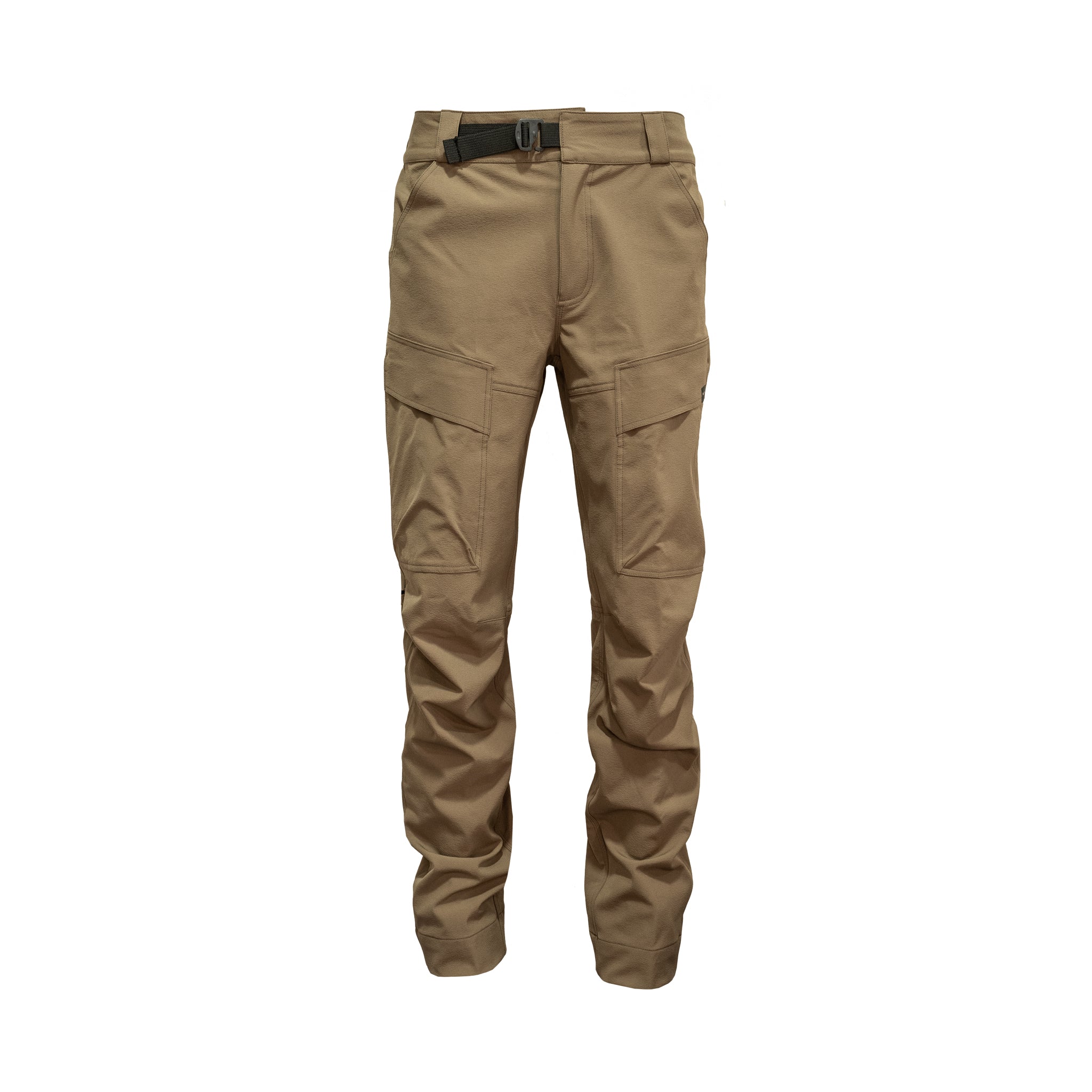
- Rugged pants for brush and rough footing. The All Terrain Field Pant pairs zippered vents for heat management with reinforced, 4-way-stretch fabric that holds up against sagebrush limbs, rabbitbrush, and rocky, uneven ground.
- A dedicated GPS pouch for your dog's collar unit. Given how far pointing dogs range across open sagebrush, a purpose-built Alpha Handheld Pouch keeps a GPS tracking unit secure and accessible instead of buried in a pocket.
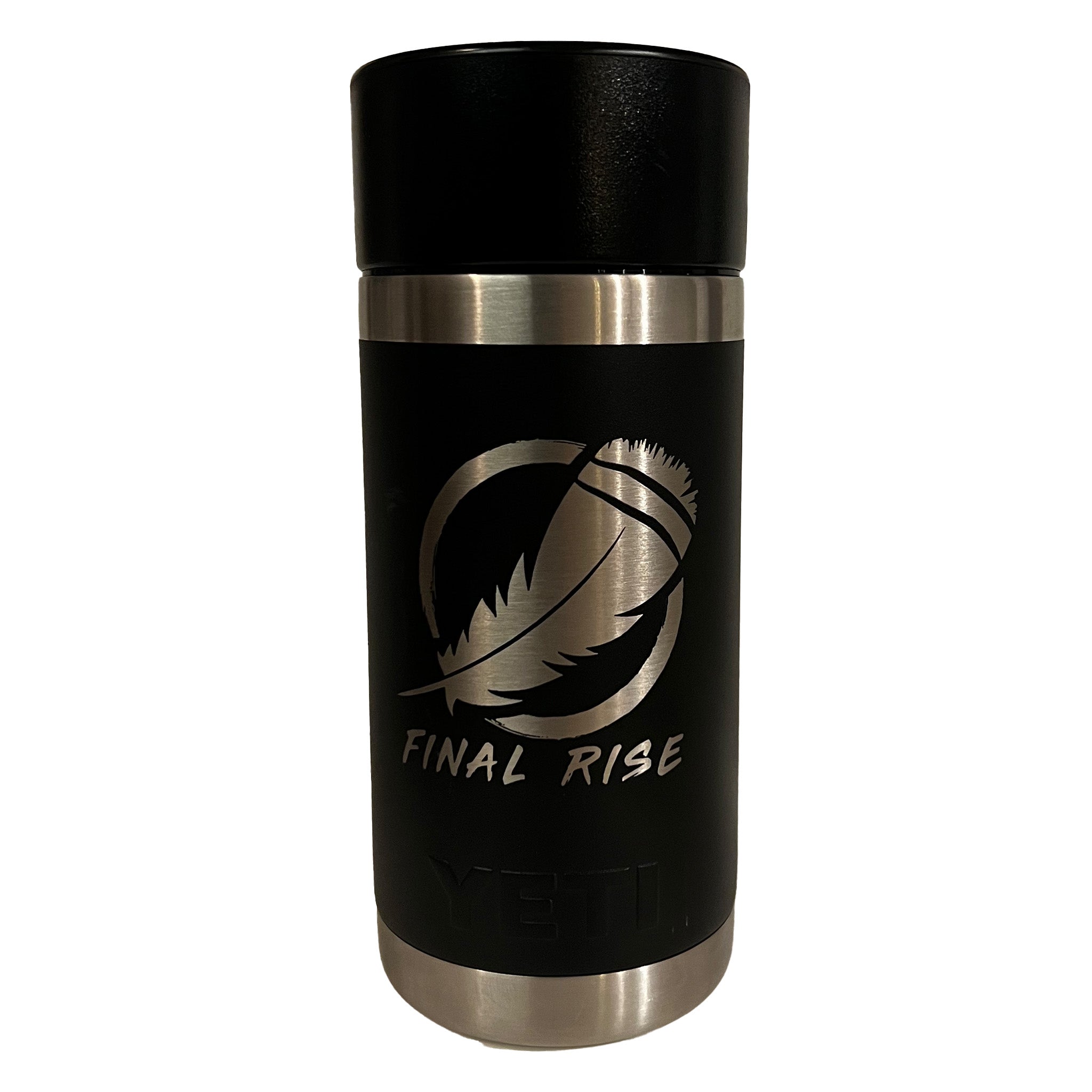
- Extra hydration capacity. Beyond a vest's built-in bottles, additional Water Bottles are cheap insurance on a hunt where the nearest water source can be miles away.
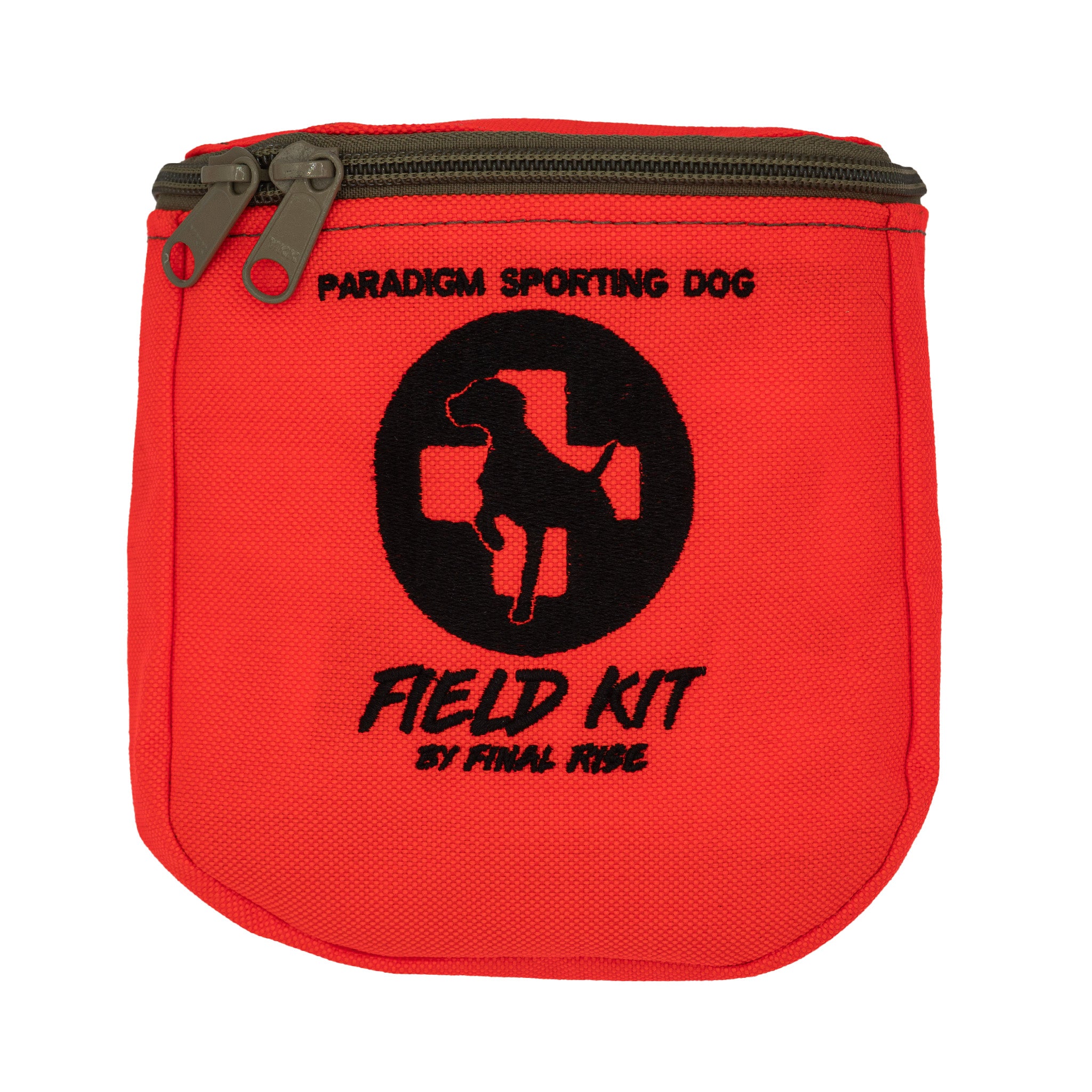
- A first aid kit built for real hazards. Rattlesnakes, cactus, and sharp brush are genuine concerns in warm early-fall sagebrush, and a dedicated First Aid Field Kit means you're prepared rather than improvising.
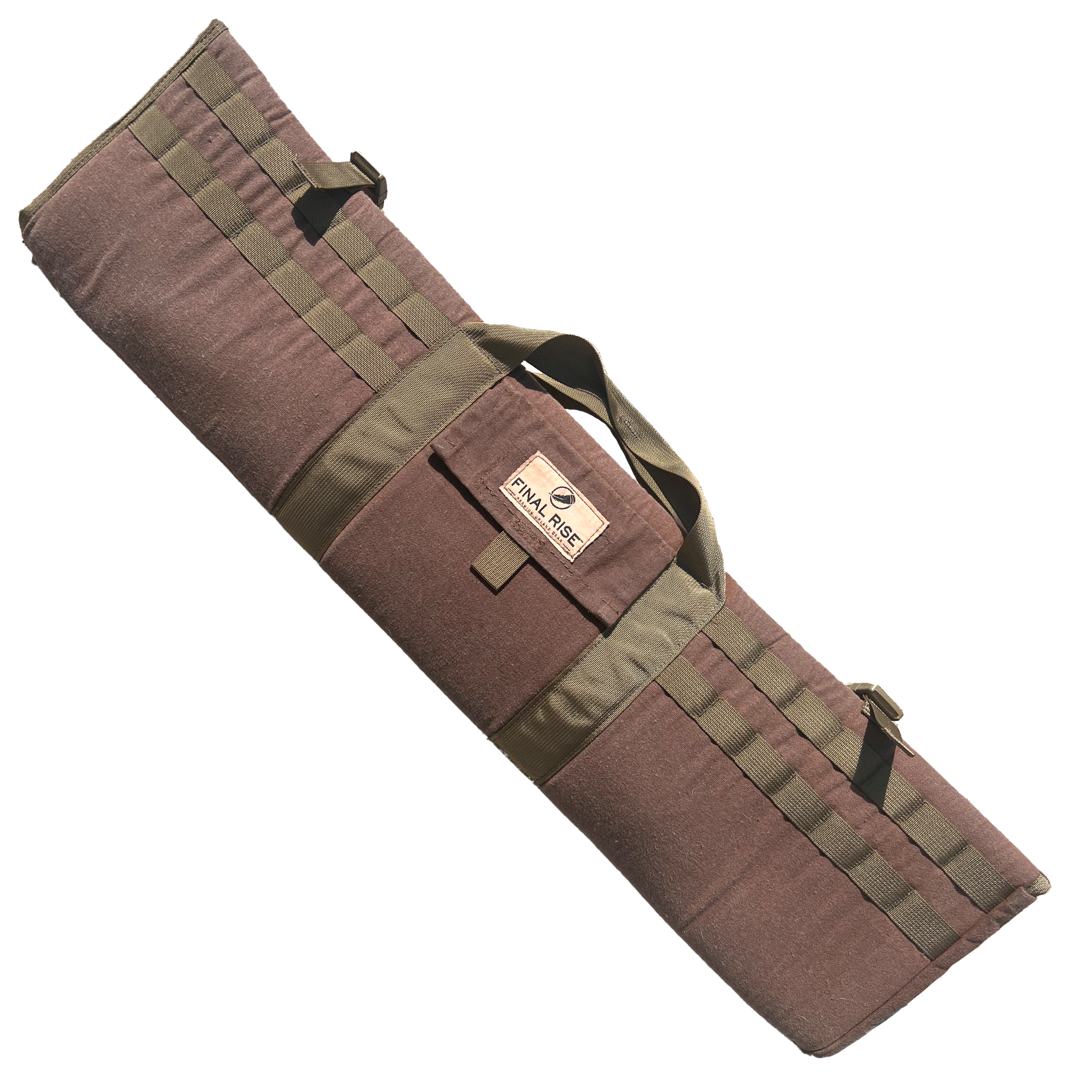
- Somewhere to carry a genuinely large bird. A mature sage grouse is a lot more bird than a quail or a Hun, and a dedicated Bird Tote keeps a heavy harvest from banging around loose in your vest's game bag on the long walk back.
If you're planning a season built around multiple prairie and desert species, our how to hunt sharptailed grouse guide covers the sagebrush sea's closest upland cousin, and our founder's own account in Sage Grouse in a Sea of Sage is worth a read for what a real hunt out there actually looks like.
Frequently Asked Questions
Do I need to enter a lottery to hunt sage grouse? It depends entirely on the state. Wyoming issues a free, non-competitive permit mainly to track harvest, Idaho sells first-come, first-served quota tags, and Oregon and Utah run true limited-entry draws with only a few hundred permits available each year, so check each state's specific system and application deadlines well before September.
How big is a sage grouse? They're the largest native grouse species in North America, with mature males reaching up to seven pounds, roughly twice the size of a sharp-tailed grouse and considerably larger than a ruffed grouse or chukar.
Is sage grouse hunting sustainable, or is the species endangered? Sage grouse are not currently listed under the Endangered Species Act; the species came close to listing in 2010 and 2015 but was ultimately protected through a large, multi-state conservation partnership instead. Populations have declined significantly from historic highs, which is why states keep seasons short and permits capped, but research indicates regulated hunting mortality has not been a meaningful driver of that decline.
What's the best time of day to hunt sage grouse? Early morning, roughly the first three hours after sunrise, and late afternoon into evening are the most productive windows, with birds actively feeding near wet meadows and sagebrush edges. Midday activity tends to slow considerably, especially on warmer early-season days.