
Scaled Quail Species Profile
Hunters who chase scaled quail tell the same story: the dog points, you walk in, and the covey is already 80 yards away, running in a tight blue-gray line through the mesquite. Known by same as "blue quail," the scaled quail is the signature bird of the Chihuahuan Desert grasslands, and it has a well-earned reputation as the toughest quail in North America to pin down. This species profile covers scaled quail identification, habitat, diet and water needs, breeding biology, typical season dates, how the meat cooks up, and the bird's history and conservation status.
Scaled Quail at a Glance
| Attribute | Details |
|---|---|
| Scientific name | Callipepla squamata |
| Common names | Scaled quail, blue quail, cottontop, blues |
| Size | 10–12 in. long |
| Weight | About 6–7 oz |
| Lifespan in the wild | Usually 1–2 years |
| Primary U.S. range | Western Texas, New Mexico, southeastern Arizona, southeastern Colorado, the Oklahoma Panhandle, and southwestern Kansas |
| Typical season | November through January or February (Arizona opens in October) |
| Meat | Light to medium, mild |
| Conservation status | Not federally listed; long-term declines across much of the range, with big swings tied to rainfall |
Scaled Quail Identification and Primary Attributes
Scaled quail are pale blue-gray birds with feathers on the breast, neck, and belly edged in dark brown or black, creating a distinctive scaled pattern. The most recognizable feature is the bushy white-tipped crest, which gives the bird its "cottontop" nickname. Males and females look similar; males typically have a whiter, fuller crest and a cleaner throat, while females show more streaking on the head and throat.
Scaled quail are runners. They often sprint away from danger rather than flushing, sometimes in a tight group that can stay ahead of a dog for long distances. When they finally fly, they usually flush in a tight bunch and land a short distance away, often running again as soon as they hit the ground. Coveys are typically 10–30 birds in fall and winter and can be larger in good years.
Scaled quail often overlap with bobwhites in western Texas and Oklahoma and with Gambel's quail in New Mexico and Arizona, and they occasionally hybridize with both.
Scaled Quail Habitat: Where Scaled Quail Live
Scaled quail are birds of arid grasslands and desert scrub. Their preferred habitat includes:
- Open desert grassland with a mix of bunchgrasses and bare ground.
- Low shrubs and cacti such as mesquite, catclaw, lotebush, cholla, prickly pear, and yucca for cover and shade.
- Draws and arroyos with brushier vegetation for escape cover.
- Edges of farms and ranch headquarters where waste grain, equipment, and structures provide food and loafing cover.
Unlike bobwhites, scaled quail tolerate very sparse, open ground and prefer to see around them. The bird's core range centers on the Chihuahuan Desert and southern High Plains, with the largest populations in western Texas and eastern and southern New Mexico.
What Do Scaled Quail Eat? Diet and Water Needs
Scaled quail eat a mix of seeds, greens, and insects:
- Fall and winter: seeds of forbs and shrubs such as broom snakeweed, sunflowers, pigweed, croton, and mesquite, plus waste grains like sorghum and wheat where farms are nearby.
- Spring and summer: green leaves, seeds, and insects, especially grasshoppers and beetles.
- Chicks: mostly insects during their first weeks.
Scaled quail are well adapted to dry country. They get much of their water from succulent plants, insects, and seeds and can go long periods without drinking. Still, they'll use stock tanks, troughs, and water developments when available, especially during drought, and water sources can concentrate birds in hot weather. The same dry country is hard on dogs; carry plenty of water and see our guide to hydration for upland bird dogs.
Scaled Quail Breeding, Nesting, and Brood Rearing
Scaled quail breeding is closely tied to rainfall. Coveys break up in spring, and pairs form, but nesting often peaks during the summer monsoon season, when rains bring out green vegetation and insects. In years with poor rains, many birds may not nest at all.
Hens build ground nests in grass, under shrubs, or at the base of yucca or cactus. Clutches typically contain about 12–14 eggs, and incubation lasts roughly 22–23 days. Chicks are precocial and leave the nest soon after hatching, and pairs may nest again if conditions allow. Family groups later combine into fall coveys.
Because of this dependence on rain, scaled quail populations can swing dramatically, booming in wet years and crashing during drought.
Scaled Quail Hunting Season Dates
Typical scaled quail seasons include:
- Texas: usually late October or early November through late February.
- New Mexico: generally November 15 through February 15.
- Arizona: usually mid-October through early February, together with Gambel's quail.
- Oklahoma: typically mid-November through mid-February.
- Colorado and Kansas: usually November through January.
- Bag limits are often 8–15 per day, typically in aggregate with other quail species.
Always check current regulations, as dates and limits can change.
Scaled Quail Meat Profile: How Blue Quail Taste and How to Cook Them
Scaled quail meat is light to medium in color, mild, and tender, very similar to bobwhite. Their diet of seeds and insects gives them a clean flavor.
- Grill or roast quickly. Small birds cook fast; aim for juicy, barely done breasts.
- Spatchcock for the grill. Flattening birds helps them cook evenly over high heat.
- Use bold seasonings. Chile, lime, cumin, and smoked paprika fit the bird's Southwestern home.
- Try them in tacos. Grilled quail meat pulled from the bone makes excellent tacos or enchiladas.
Scaled Quail Hunting History and Conservation Status
Scaled quail have long been an important game bird in the Southwest, especially on ranches in western Texas and New Mexico, where hunters often pursued them alongside bobwhites. Their running habits made them less popular with traditional pointing-dog hunters than bobwhites, but many Southwestern hunters prize them for their toughness and the challenge they provide.
Scaled quail are not federally listed, but Breeding Bird Survey analyses have shown long-term declines across much of the range since the 1960s, with especially sharp drops in some areas. The causes include drought, overgrazing, brush encroachment, conversion of grasslands to cropland, and urban and energy development. Because populations depend so heavily on rainfall, scaled quail numbers can rebound quickly in good years, so long-term trends can be hard to see from season to season.
Gear for Scaled Quail Country
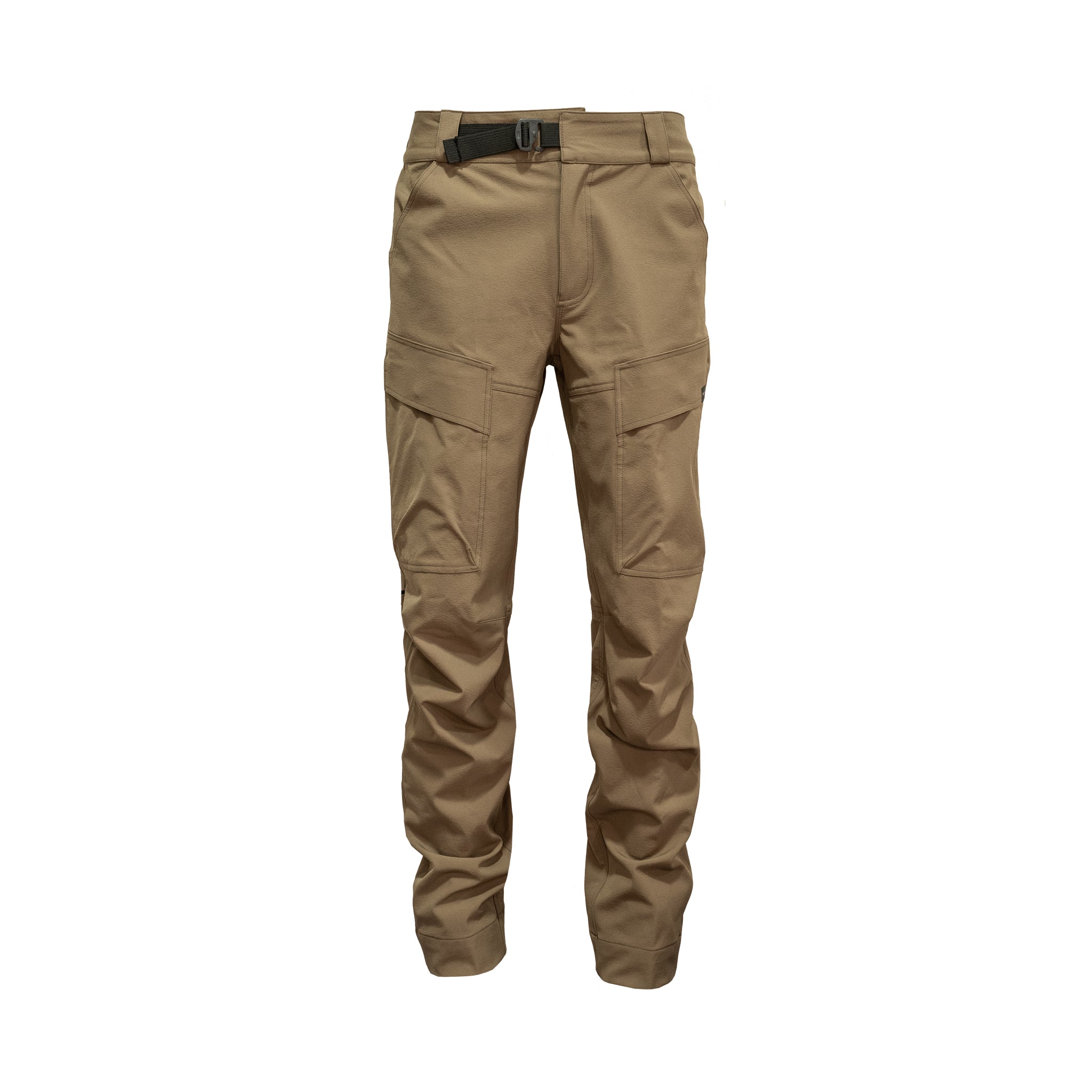
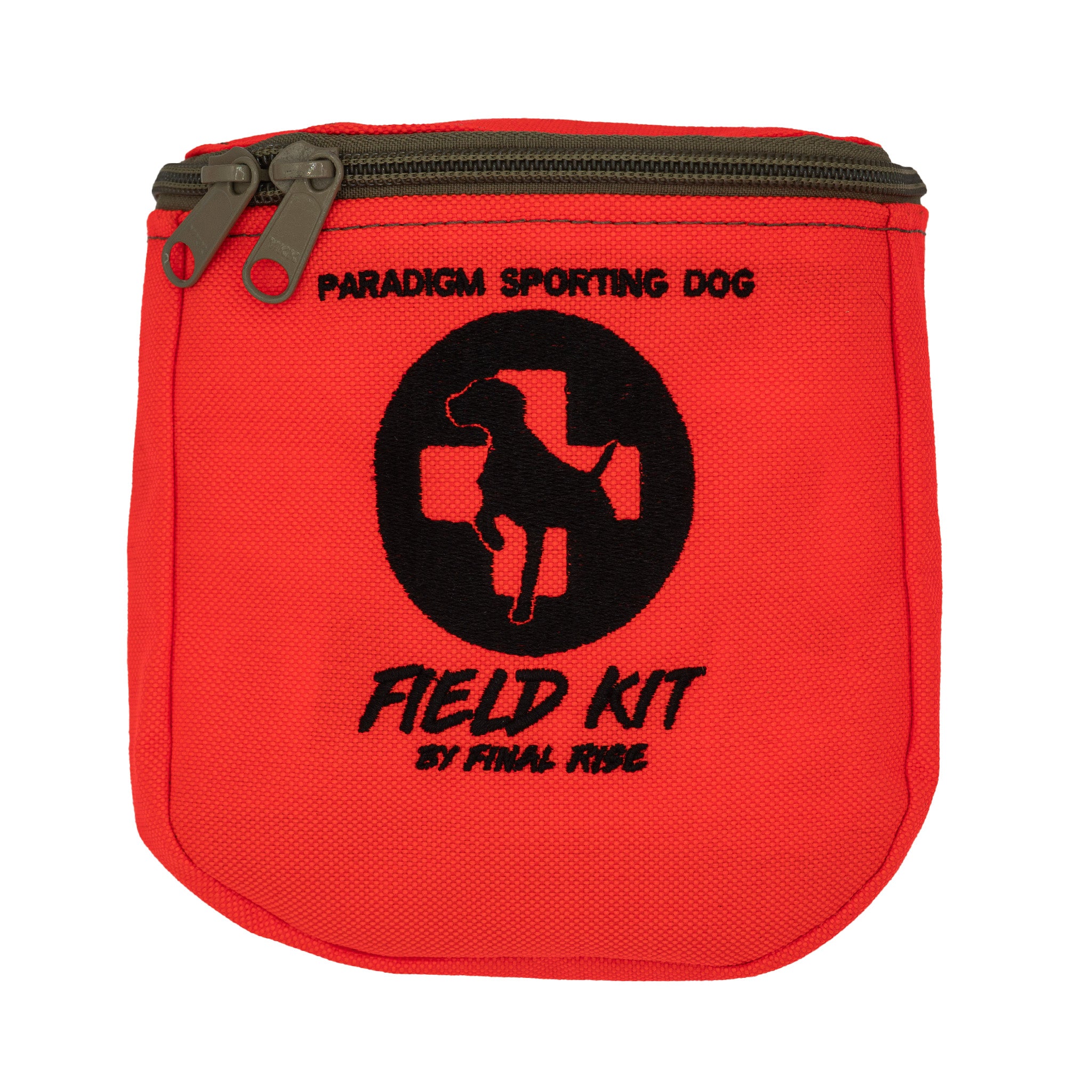
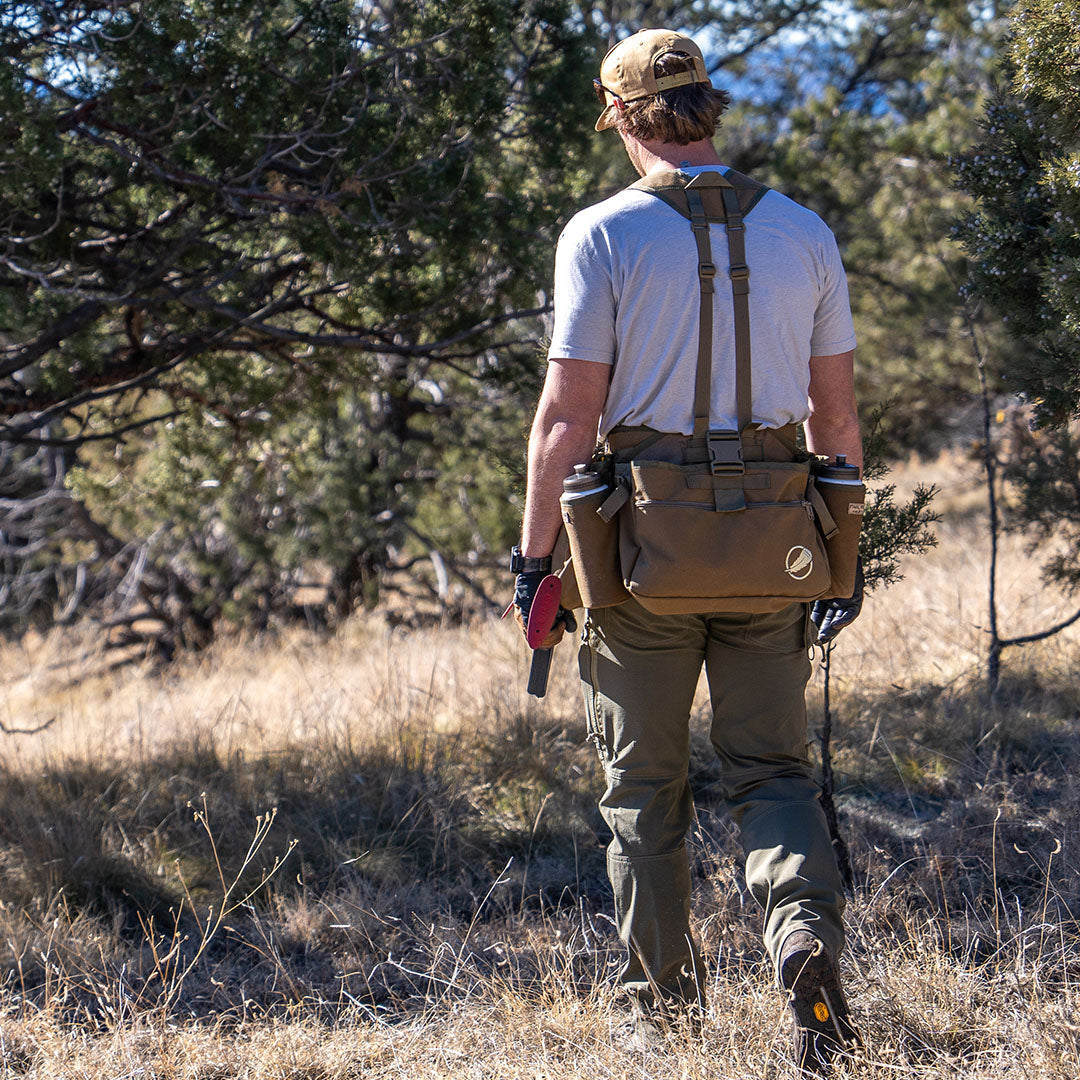
Blue quail hunts mean long walks in hot, dry, thorny country, so water capacity and protection matter more than bird-carrying capacity. The Summit Vest System carries plenty of water for dogs on long desert walks, while the Sidekick Vest System is a lighter option for shorter hunts. Cactus spines are a constant hazard for dogs, so a First Aid Field Kit is essential; our article on carrying a first aid kit for your upland hunting dog explains why. A Sonora Sun Hoodie and the All Terrain Field Pant protect against sun, catclaw, and cholla. Planning a multi-state trip? See Upland Hunting the West: What Gear Do You Need for Your Road Trip?
Frequently Asked Questions
Why are scaled quail called blue quail? Scaled quail have pale blue-gray plumage that looks bluish in the field, especially in good light. Hunters across the Southwest commonly call them blue quail or "blues."
Why do scaled quail run instead of fly? Running is the scaled quail's primary escape strategy in open desert grassland, where there's little tall cover. They often run long distances before flushing, which makes them challenging for both dogs and hunters.
Do scaled quail need water? Scaled quail get much of their water from food and can survive long periods without drinking, but they'll use water sources when available, especially during hot, dry periods.
Where is the best scaled quail hunting? Western Texas and eastern and southern New Mexico hold the largest populations, with additional hunting in southeastern Arizona, southeastern Colorado, the Oklahoma Panhandle, and southwestern Kansas. Populations vary greatly from year to year depending on rainfall.