
Upland Hunting the West - What Gear Do You Need For Your Road Trip?
There's a specific kind of nervous excitement that comes with planning your first western upland road trip. You've hunted your home ground for years, but now you're staring at a map that stretches across three states, wondering if you've packed enough water, enough ammo, and enough sense to handle terrain that doesn't forgive mistakes the way your local CRP field does. The good news: most of what makes a western trip succeed isn't luck or local knowledge you don't have yet — it's gear and an optimistic attitude planned around self-sufficiency.
Clothing and Boots Built for Changing Terrain
Western trips can throw prairie, desert, and mountain foothills at you inside the same week, sometimes the same day.
Layers for Big Temperature Swings
A chilly sunrise can turn into a hot afternoon by the time you're back at the truck, and the ground cover changes just as fast. Here's a list of clothing that we recommend you bring and why.
- Brush pants or gaiters that can withstand cactus, brush, or the lava rocks of chukar country
- Pack two pairs of boots - one primary, one backup - a wet or blown-out boots can end a trip early or sour your experience
- As many pairs of wool socks as you have - it never hurts to have dry pairs to swap and keep your feet in good condition
- A lightweight, packable rain layer is easily stowed on your vest and is worth its weight in gold when the rain comes
- Breathable base layer - I prefer merino wool so that it doesn't reek after the first ridge climb
- Your favorite hoody - you really can't beat throwing on your favorite hoodie after a long day in the field, especially if you're in a spot where you can get a fire going and kick back with some tired bird dogs
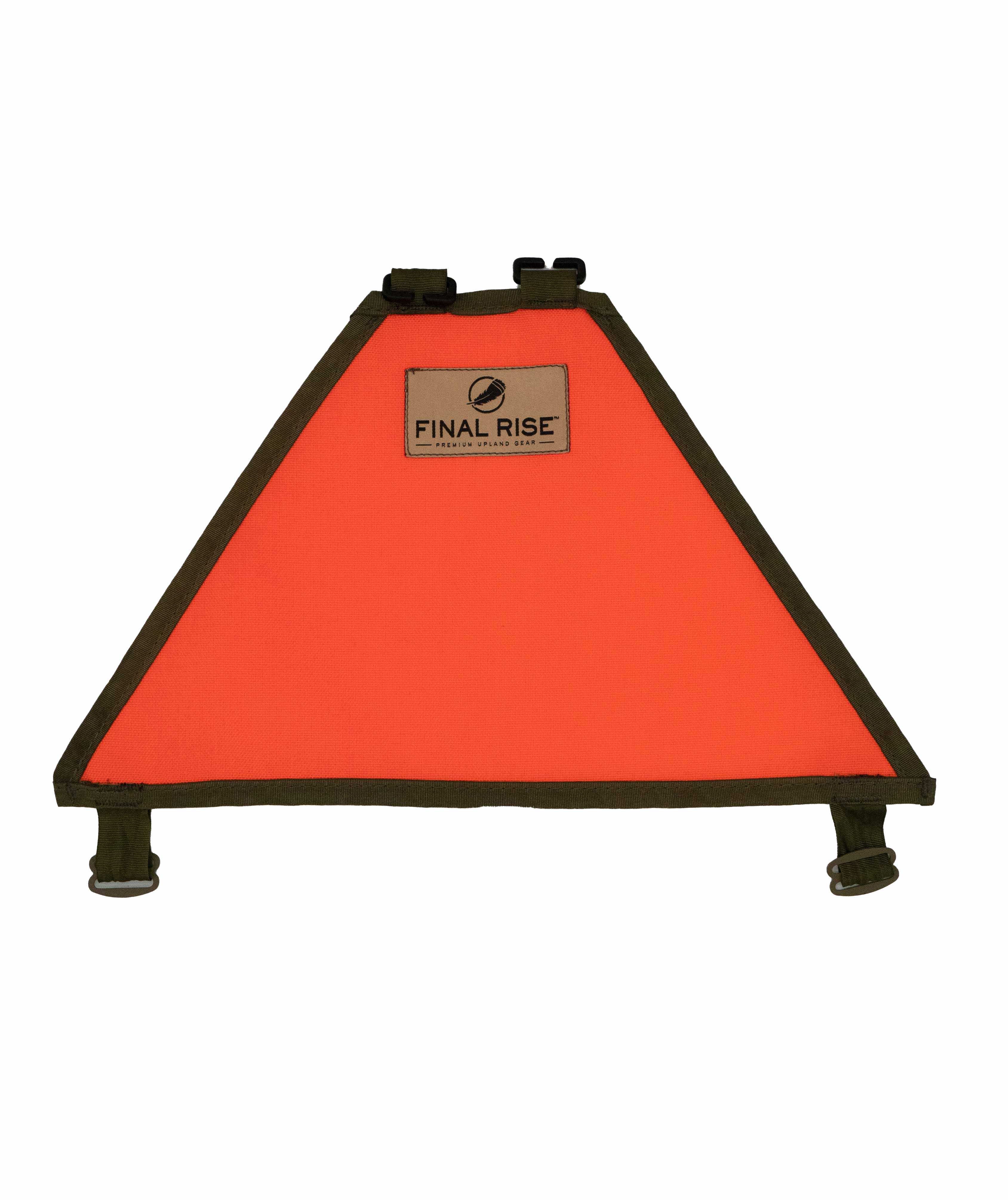
- Check blaze orange requirements before you leave - they vary by state, and western multi-state trips mean checking more than one rulebook
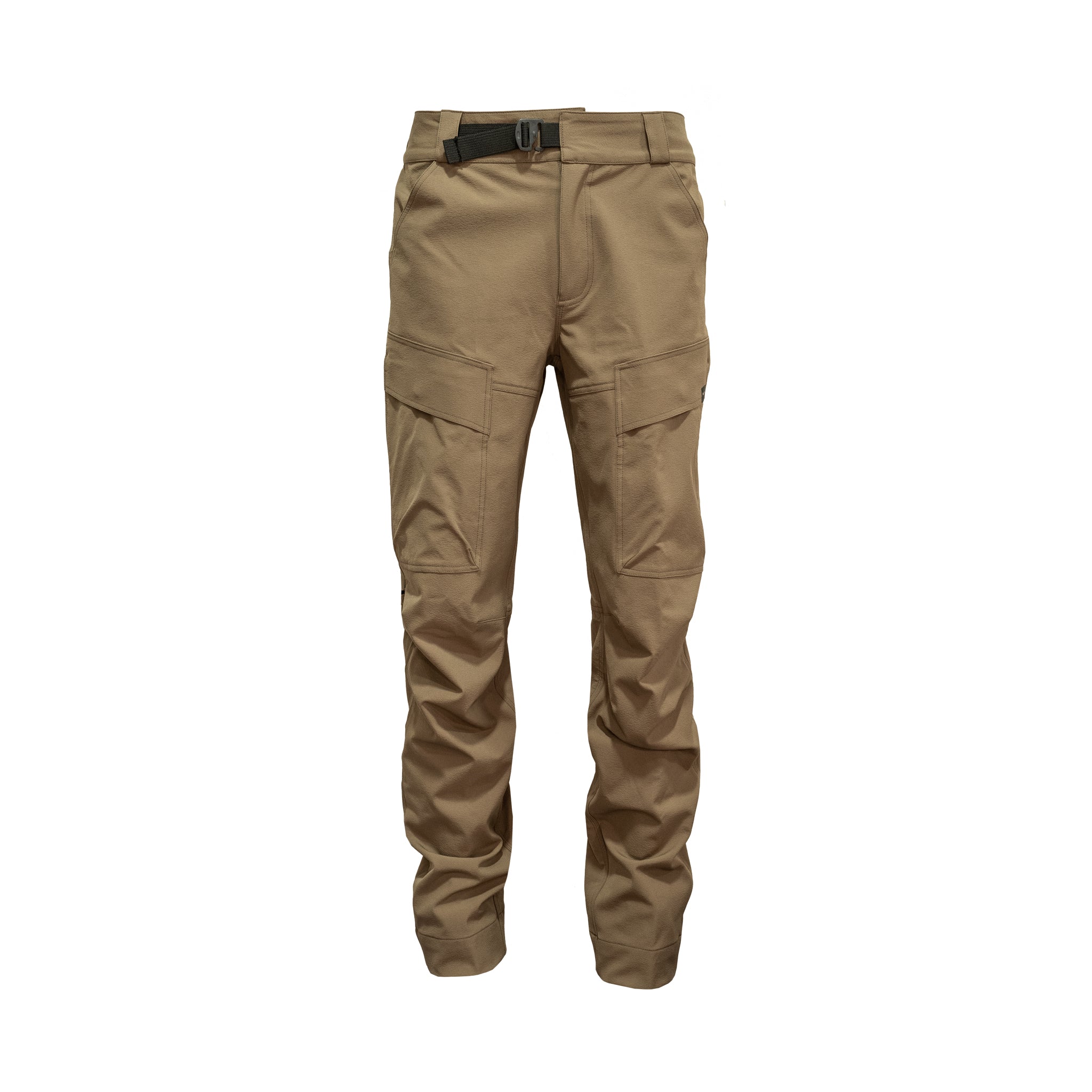
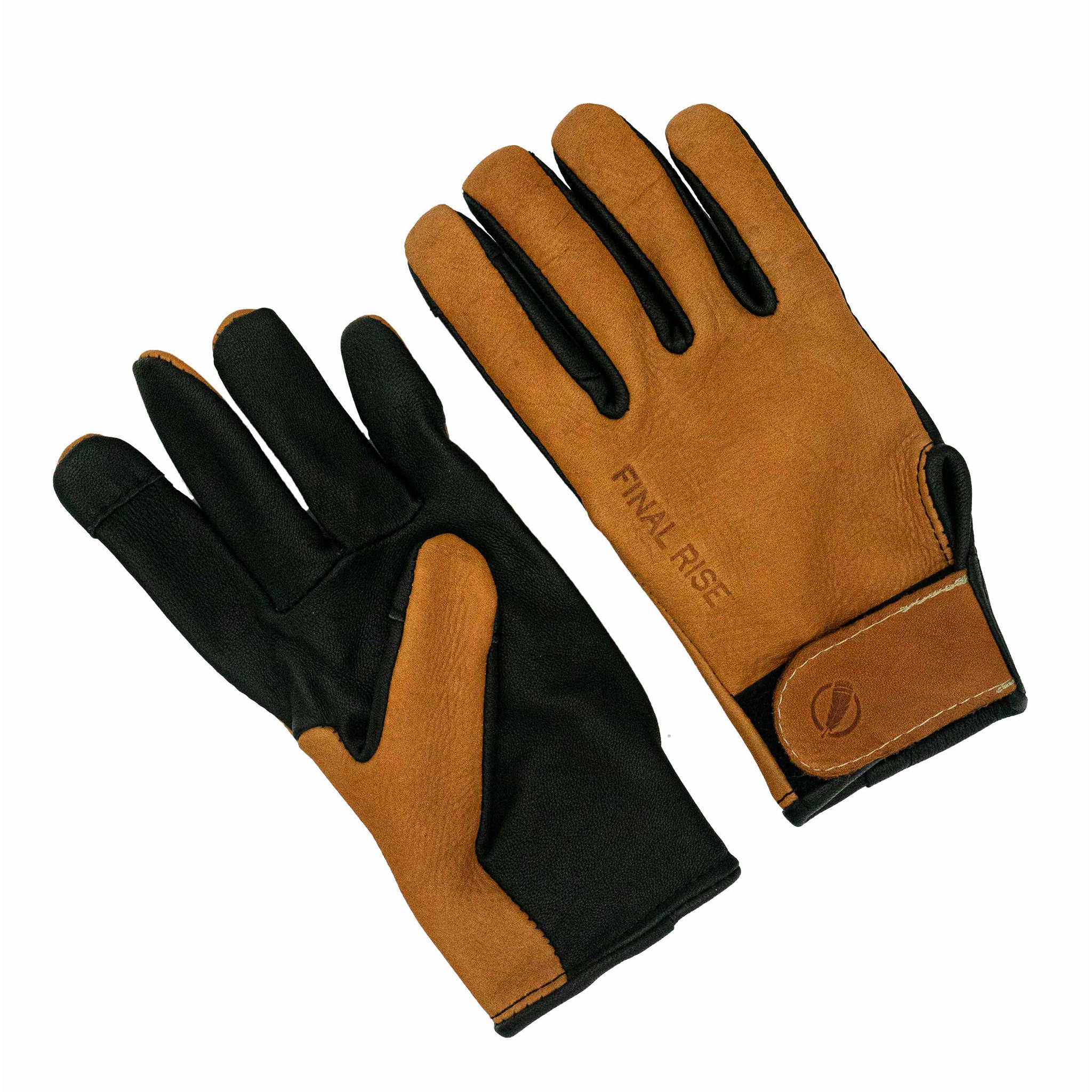
A durable field pant and a solid pair of field gloves — something like Final Rise's All Terrain Field Pant — go a long way toward surviving a week of thorny cover without shredding your gear on day two.

Firearms, Ammo, and a Field Repair Kit
This is not the trip to assume you'll restock in the nearest town, especially if you're like us and prefer some of the less common gauges.
- Bring a primary and backup shotgun if you can swing it - a malfunction or shouldn't end your trip. Plus, variety is the spice of life!
- Pack more ammunition than you think you'll need; small-town sporting goods stores may not carry your specific gauge or preferred load
- A basic cleaning kit - rod, brush, and CLP - keeps your gun running through dusty, dry conditions
- Not firearm related - but the basics for a vehicle repairs kit can be the difference between being stuck in the prairie or being able to limp into town for the bigger repairs

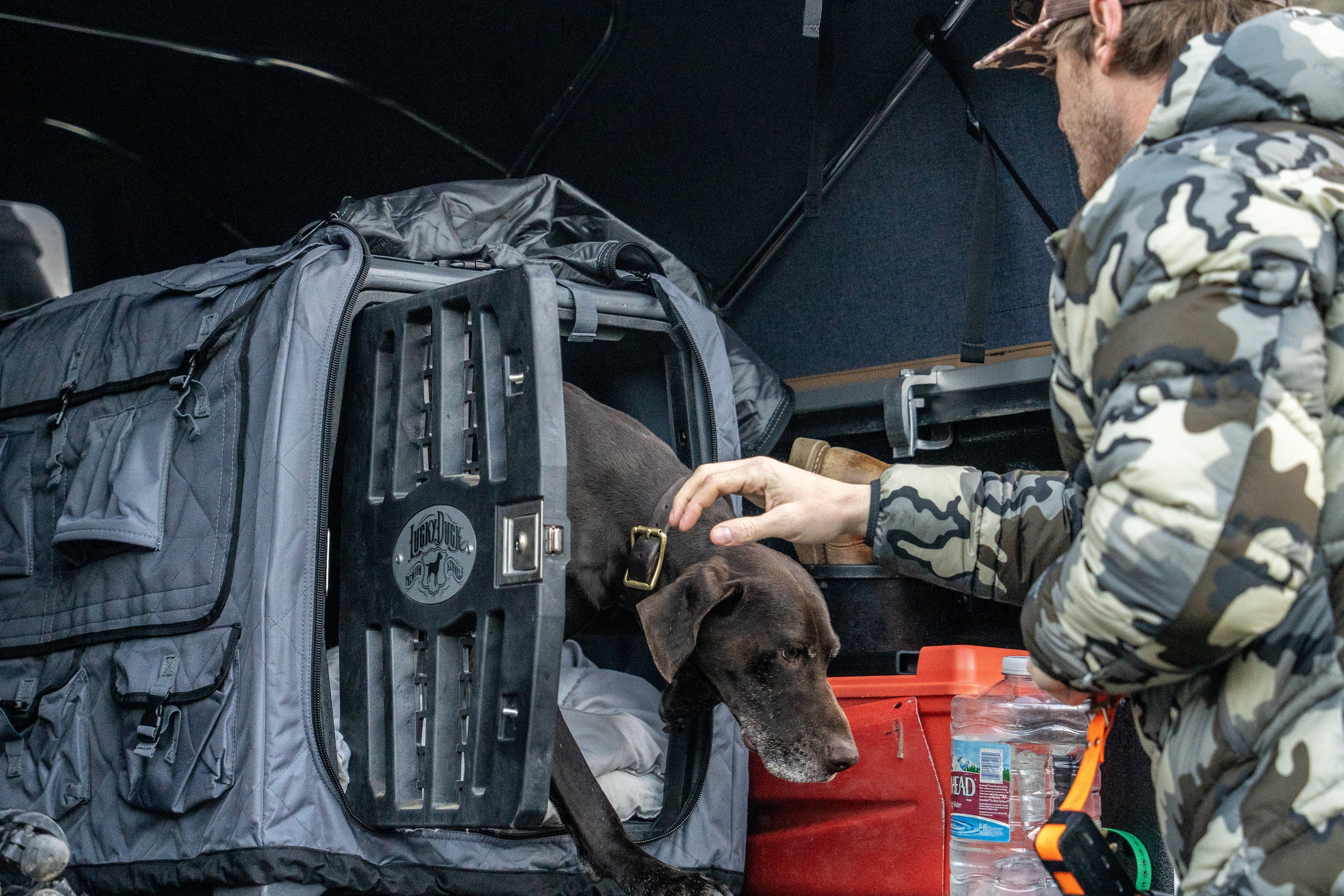
Photo Credit: Sage & Braker
Water, Food, and Self-Sufficiency for You and the Dog
Western hunting means real distances between you and civilization, and your packing list needs to reflect that.
- Bring large water containers filled before you leave - I actually like to freeze some of mine and use them as ice in the cooler to save some money and have nice and cold water to drink after a long hunt
- Pack extra food and water beyond what you expect to need, in case you or your dog end up stranded
- A couple bowls for the dogs - you never know when you'll misplace or forget one at a campsite, I prefer to not share my food bowls with the dog if I can avoid it!
- Some form of fire starter just in case (plus, who doesn't love a good campsite fire?)
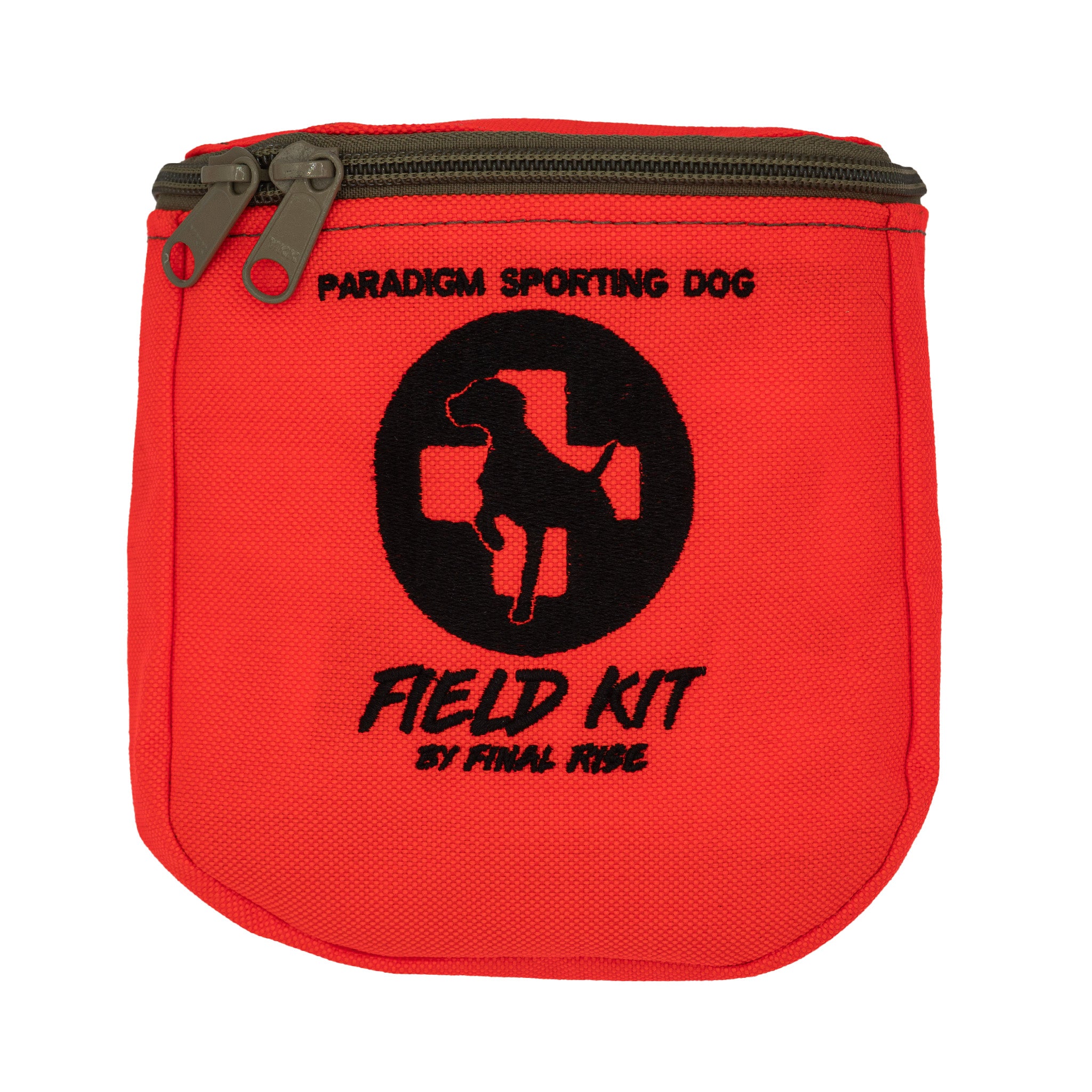
- A dedicated field first aid kit built for bird dog injuries so that you can get them tuned up for the next day, or get them prepared for an emergency vet visit
It may be worth looking into what vets are available in your general vicinity just in case - Make sure your vehicle has good tires, a full tank, and no unresolved maintenance issues before you leave pavement, since many of the best spots are dozens of miles from anything resembling a town

Scouting Tools and Trip Logistics
Good gear doesn't help much if you're standing on the wrong piece of ground.
- Use a mapping app with satellite imagery and land ownership layers to identify public access and habitat before you ever leave home
- Research nonresident licenses and season dates for every state on your route well in advance
- Keep duplicate vehicle keys - one on a carabiner in your vest, one hidden on the vehicle - losing your only key two counties from a locksmith is a bad way to end a trip
- Meet up with your bird doggin, NAVHDA, or internet buddies and enjoy the camaraderie that keeps us coming back for more
- Prepare camping or hotel options well in advance - some places won't permit dogs, other spots may be seasonable, but a bit of research can be the difference between a gorgeous campsite or crashing at a truck stop overnight

Don't Skip the Small Stuff That Saves a Trip
None of these take up much room, and all of them have saved a trip for somebody who packed them.
- A headlamp for early starts, late drives, and after-dark truck repairs
- Trash bags, both for gear organization and for leaving every access point better than you found it
- Musher's Secret or a similar salve for your dog's paw pads will go a long way to prevent them cracking in the dry western soils
- Game shears and a bird-cleaning knife so you're not field dressing with your everyday pocketknife
- Snare cutters - often overlooked as a piece of kit, but absolutely necessary if you're hunting in areas where trapping season overlaps with bird season
- An offering for the landowner that grants you permission. Bird hunting permission is a lot easier to score in my experience than for big game, but you'll want to be prepared with a solid "thank you"

The Vest and Storage System You Build Around
Your vest is the hub of everything you're carrying, and out west it has to do more work than it ever did back home.
Why Vest Choice Matters More Out West
A vest that's fine for a three-hour evening hunt near your truck isn't the same vest you want three miles into sagebrush country with no plan to turn back early. Water capacity, game bag size, and durable materials matter a lot more when you're a long walk from the tailgate.
- Look for a vest with real water capacity built in so that you and your string of dogs can keep pushing through the day
- A structured, durable game bag matters more when you're carrying birds for hours, not minutes
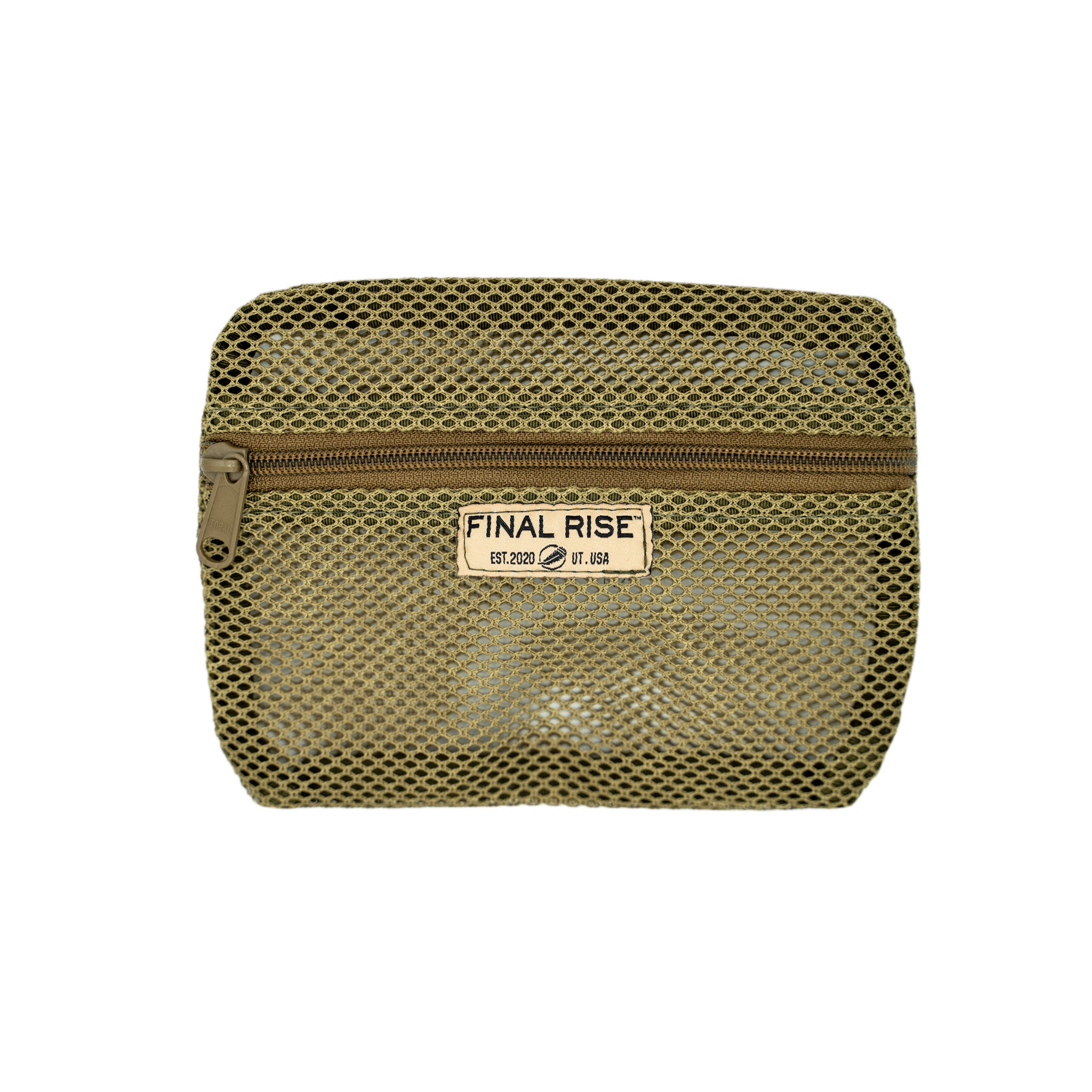
- Modular storage - extra pouches, GPS mounts, shell pockets all let you adapt as species and terrain change trip to trip
- If you're serious about multiple western trips a year, it's worth stepping up to a full-featured system like the Summit XT rather than making do with something built for closer-to-home hunts

If you're on a budget for your first trip, options like the Legacy or Heritage vest systems still cover the basics well — you can always upgrade once you know exactly what you wish you'd had.
Your first western upland road trip is going to teach you things no packing list can — which boots actually held up, which vest pocket you kept reaching for, which piece of gear you never used. Pack for self-sufficiency, plan for bigger country than you're used to, and leave room to be surprised by how good this trip is going to be. And as always, have fun with your dogs. You may love it, but they live for it.