
Northern Bobwhite Quail Species Profile
For generations of American bird hunters, "quail" meant one bird: the northern bobwhite. Pointers locked up along a fencerow, mule-drawn wagons on Southern plantations, and a covey rise that sounds like a box of firecrackers going off at your feet are all part of the bobwhite's legacy. The bird's clear, whistled bob-WHITE still rings across farm country from Texas to Virginia, though far less often than it used to. This species profile covers bobwhite identification, habitat, what bobwhite quail eat, breeding and covey behavior, typical season dates, how to cook quail, and the history and conservation status of one of America's most beloved, and most declined, game birds.
Northern Bobwhite at a Glance
| Attribute | Details |
|---|---|
| Scientific name | Colinus virginianus |
| Common names | Bobwhite, bobwhite quail, partridge (in parts of the South), "birds" |
| Size | 9–10 in. long |
| Weight | About 5–7 oz |
| Lifespan in the wild | Usually less than 1 year; annual mortality is about 80% |
| Primary U.S. range | Eastern half of the U.S., from the Great Plains (TX, OK, KS, NE) east to the Atlantic and south to Florida |
| Typical season | November through January or February |
| Meat | Light, mild, tender |
| Conservation status | Not federally listed; range-wide decline of roughly 80% or more since 1966. The masked bobwhite subspecies is federally endangered |
Bobwhite Identification and Primary Attributes
Bobwhites are small, round, reddish-brown quail with short tails. Males have a bold white throat and eye stripe bordered in black; females have the same pattern in buff and brown. The breast and flanks are scaled and streaked with brown, black, and white. Unlike western quail, bobwhites have no plume or topknot.
The bobwhite's famous whistle is given by males in spring and summer to attract mates and announce territories. In fall and winter, coveys use a different call, often written as koi-lee, to regroup after being scattered and to space themselves from other coveys at dawn. Hunters and biologists listen for these covey calls to estimate fall populations.
Bobwhites live in coveys from fall through early spring, usually 10–15 birds. At night, a covey roosts on the ground in a tight circle, tails together and heads facing out, which conserves heat and allows birds to flush in every direction at once if a predator approaches. That's exactly what happens in front of a pointing dog: the classic, explosive covey rise.
Bobwhite Habitat: Where Bobwhite Quail Live
Bobwhites are "edge" and "early-successional" birds. They need a mix of open ground, native grasses and weeds, and brushy cover within a small area. Good bobwhite habitat includes:
- Native bunchgrasses such as little bluestem and broomsedge for nesting, with open space between clumps for movement.
- Weedy, forb-rich ground with bare soil underneath, where broods can find insects and move easily.
- Shrubby escape cover like plum thickets, blackberry tangles, sumac, and young pines, within easy reach of feeding areas.
- Open pine and oak woodlands maintained by prescribed fire, especially in the Southeast.
- Crop field edges and fallow fields that provide seeds and cover.
Bobwhites do poorly in dense sod-forming grasses like fescue and Bermuda grass, in closed-canopy forest, and in large, clean crop fields with no weedy edges. The best remaining populations are in South Texas and the Rolling Plains of Texas and Oklahoma, Kansas, and intensively managed lands in the Southeast, such as the Red Hills region of Georgia and Florida.
What Do Bobwhite Quail Eat? Diet and Water Needs
Bobwhites eat mostly seeds, with insects and greens rounding out the diet:
- Fall and winter: seeds of ragweed, partridge pea, lespedeza, beggarweed, sunflowers, and other weeds, plus acorns, pine seeds, and waste grains like corn, sorghum, and soybeans.
- Spring and summer: green leaves, seeds, fruits, and insects. Insects are especially important for laying hens.
- Chicks: mostly insects for their first few weeks, which is why forb-rich brood habitat is essential.
Bobwhites rarely need open water. They get most of their moisture from dew, succulent plants, and insects. In very dry country such as South Texas, though, drought can sharply reduce nesting and survival.
Bobwhite Breeding, Nesting, and Brood Rearing
Bobwhite coveys break up in spring, and birds pair off. Nests are shallow bowls in grass, usually woven into a small dome of grass with a side entrance. Hens lay about 12–14 eggs on average, and incubation takes about 23 days.
Bobwhites have a flexible mating system. Males sometimes incubate nests, hens may lay more than one clutch, and pairs may nest multiple times in a season. This flexibility helps bobwhites make up for high mortality, since most bobwhites live less than a year. Chicks leave the nest soon after hatching and can fly short distances at about two weeks old. Family groups and other birds join to form coveys by fall.
Bobwhite Quail Hunting Season Dates
Bobwhite seasons generally open in November and run into winter:
- Kansas typically opens on the second Saturday in November and runs through January 31.
- Texas usually opens in late October or early November and runs through late February, one of the longest seasons in the country.
- Oklahoma typically opens in mid-November and runs through mid-February.
- Southeastern states (GA, FL, SC, AL) generally open in November and run through February, with some states running into early March.
- Bag limits vary from about 4 to 15 birds per day depending on the state, with lower limits where populations are struggling.
Many states also hold youth seasons and allow longer seasons on licensed shooting preserves. Always check current regulations, and see our guide to blaze orange requirements by state, since several quail states require it.
Bobwhite Meat Profile: How Quail Tastes and How to Cook It
Wild bobwhite is light, mild, and tender, with a slightly richer flavor than chicken. Because the birds are small, a hunter usually plans on two to four birds per person.
- Pluck, don't skin. Skin keeps small birds moist and crisps nicely.
- Cook fast. Bobwhites roast in about 15 minutes at high heat or grill in a few minutes per side.
- Spatchcock or quarter. Flattening birds helps them cook evenly.
- Southern classics. Fried quail with gravy, smothered quail, and bacon-wrapped quail on the grill are traditional favorites.
Bobwhite Hunting History and Conservation Status
From the late 1800s through the mid-1900s, bobwhite hunting was a cornerstone of Southern sporting culture. Plantations in Georgia, Florida, and the Carolinas were managed specifically for quail, field trials were held for pointing dogs, and much of American bird-dog breeding grew up around the bobwhite. The species was once one of the most economically important game birds in North America. That bird-dog tradition is part of a broader American sporting heritage; read more about distinctly American breeds in 3 All American Bird Dog Breeds.
Since the mid-20th century, bobwhite numbers have collapsed. North American Breeding Bird Survey data show a range-wide decline of about 3% per year since 1966, adding up to a cumulative decline of roughly 80% or more. Some states have fared even worse; Tennessee, for example, has recorded declines of over 90% since 1966. The causes are mostly habitat-related: the shift to large, clean crop fields, conversion of native grasslands to non-native sod-forming grasses, fire suppression, maturing forests, and urbanization.
The northern bobwhite as a species is not federally listed, but conservation efforts are widespread. The National Bobwhite Conservation Initiative coordinates state and federal efforts to restore habitat through prescribed fire, native grass plantings, and better land management. The masked bobwhite, a subspecies native to southern Arizona and Sonora, Mexico, has been listed as federally endangered since 1967 and is the focus of captive breeding and reintroduction efforts.
Gear for Bobwhite Country
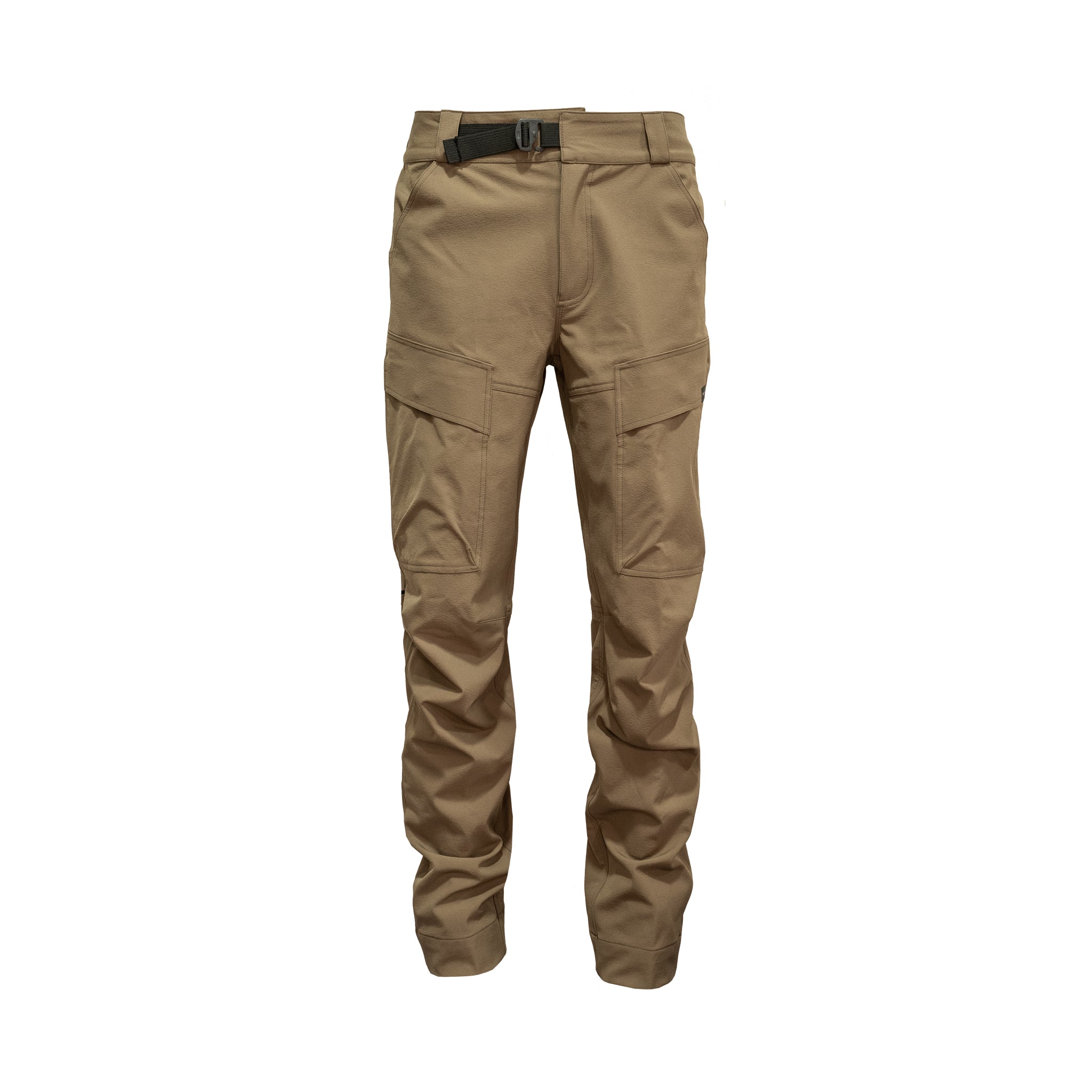
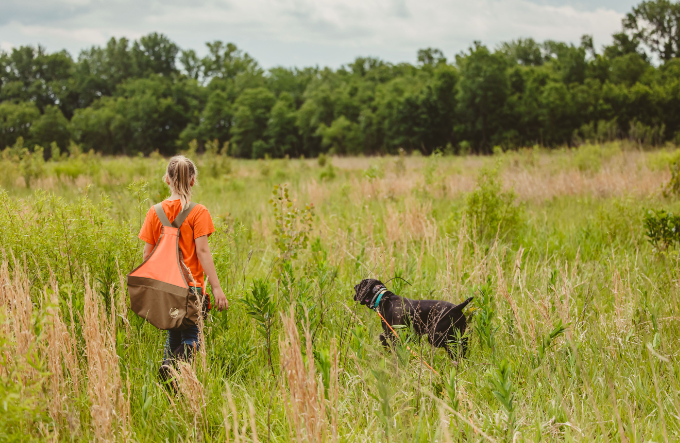
Quail hunting is usually a walking game behind pointing dogs, often in mild or warm weather, with lots of quick shots at small birds. A light vest with good water capacity for dogs is ideal. The Sidekick Vest System weighs under 2 lb and includes two 32-oz bottles, while the Heritage Upland Vest is an affordable choice for new or youth hunters; we explain more in The Most Affordable Upland Bird Vest Made in America. A Bird Tote makes it easy to carry a string of small birds, and the All Terrain Field Pant helps in briars and plum thickets. For shotshell advice, see our upland bird shot size chart.
Frequently Asked Questions
Why have bobwhite quail declined? The main cause is habitat loss: native grasslands and weedy field edges have been replaced by large crop fields and non-native grasses, while fire suppression and maturing forests have removed the early-successional habitat bobwhites need. Breeding Bird Survey data show declines of roughly 80% or more since 1966.
How long do bobwhite quail live? Most wild bobwhites live less than a year, and annual mortality is around 80%. They make up for it with large clutches and the ability to nest multiple times in a season.
What is a bobwhite covey? A covey is a group of bobwhites, usually 10–15 birds, that lives, feeds, and roosts together from fall through early spring. At night, coveys roost in a tight circle with heads facing outward.
Is the masked bobwhite endangered? Yes. The masked bobwhite, a subspecies of the northern bobwhite found in southern Arizona and Sonora, Mexico, has been listed as endangered under federal law since 1967 and cannot be hunted.