
Montezuma Quail Species Profile
There's nothing quite like a Mearns' quail flush. Your dog locks up in a grassy oak savanna, you step in, step again, and nothing happens, until a covey erupts from almost under your boots, buzzing off in every direction. Montezuma quail, known to most hunters as Mearns' quail, live in the grassy mountain foothills of the Southwest and behave unlike any other quail in North America. They dig for their food, nest late in summer, and rely on camouflage instead of running. This species profile covers identification, habitat, diet, breeding, where and when you can hunt them, what the meat is like, and their history and conservation status.
Montezuma Quail at a Glance
| Attribute | Details |
|---|---|
| Scientific name | Cyrtonyx montezumae (U.S. birds are the subspecies C. m. mearnsi) |
| Common names | Montezuma quail, Mearns' quail, harlequin quail, fool quail, Massena quail |
| Size | About 8–9 in. long |
| Weight | About 6–7 oz |
| Lifespan in the wild | Usually 1–2 years |
| Primary U.S. range | Southeastern Arizona, southwestern and south-central New Mexico, and isolated pockets of western Texas |
| Typical season | Arizona: early December to early February. New Mexico: November 15 to February 15. Texas: closed |
| Meat | Pale to medium, mild, tender |
| Conservation status | Not federally listed; stable where grass cover is good; very limited in Texas |
Montezuma Quail Identification and Primary Attributes
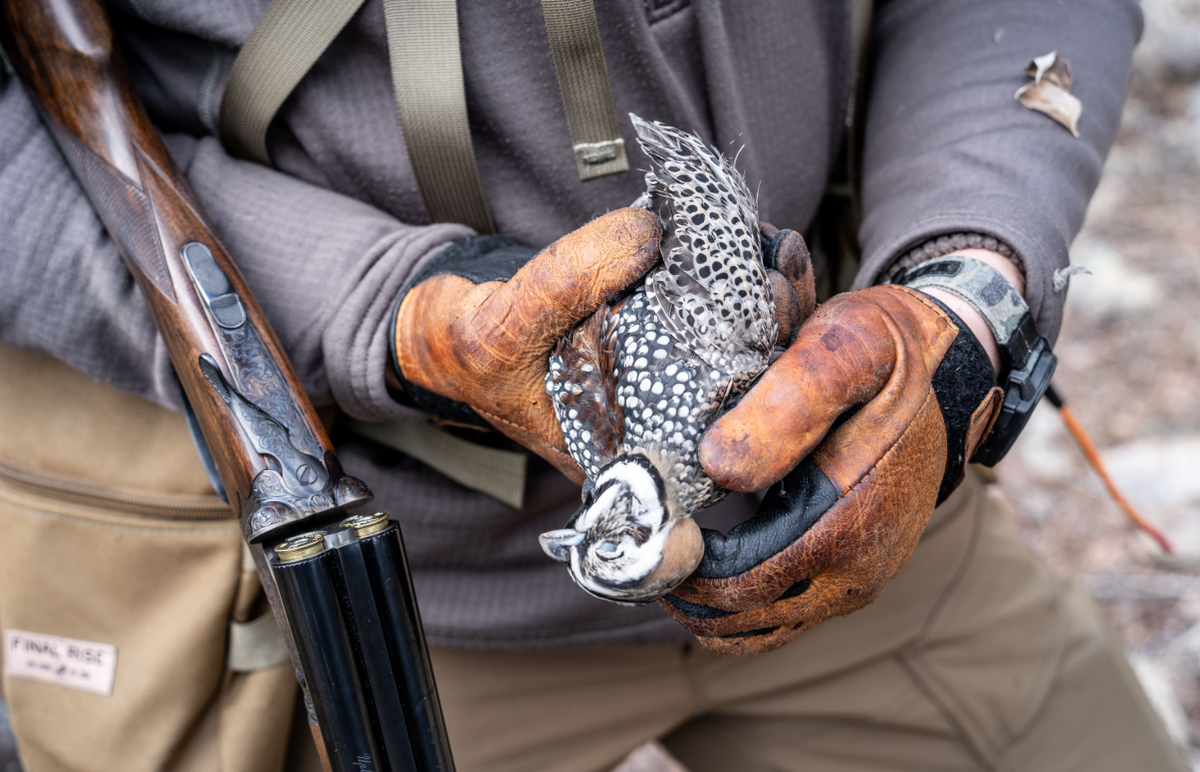
Montezuma quail are small, round, and short-tailed, with a striking head pattern. Males have a "harlequin" face of bold black-and-white stripes and swirls, a soft tan crest that hangs down the back of the head, a chestnut-to-black belly, and gray flanks covered with white spots. Females are cinnamon-brown with dark mottling and a much plainer face.
Montezuma quail also have unusually long, strong claws, which they use to dig for food.
Their behavior is distinctive. Instead of running like scaled or Gambel's quail, Montezuma quail usually freeze when threatened, relying on their camouflage to stay hidden. They often hold until a dog or hunter is nearly on top of them, then flush explosively at close range. That habit earned them the "fool quail" nickname, though anyone who's missed a fast-flushing covey knows they're anything but foolish. Coveys are usually small, often 6–12 birds.
Montezuma Quail Habitat: Where Montezuma Quail Live
Montezuma quail live in mountain foothills and canyons, usually above about 3,500 feet. Their habitat includes:
- Oak woodlands and oak savannas, especially with Emory, Arizona white, and gray oaks.
- Pine-oak and juniper woodlands at higher elevations.
- Tall, dense grass cover, which is critical for hiding from predators and nesting.
- Canyon slopes and drainages with a mix of trees, grass, and shrubs.
Good grass cover is the most important part of Montezuma quail habitat. Areas that are heavily grazed, leaving little grass, often hold few or no birds. In Arizona, the best populations are in the mountains of southeastern Arizona, while New Mexico's populations are mostly in the southwestern and south-central mountains.
What Do Montezuma Quail Eat? Diet and Water Needs
Montezuma quail are diggers. Much of their diet comes from underground plant parts:
- Bulbs and tubers of nutsedge (Cyperus) and wood sorrel (Oxalis), which they dig up with their long claws. These are a major winter food.
- Acorns and seeds of grasses, forbs, and shrubs.
- Insects, especially in summer and for chicks.
- Green plant material and fruits when available.
Small, cone-shaped holes in the soil, often under oaks or in grassy openings, are a good sign Montezuma quail are feeding in the area.
Montezuma quail get most of their water from their food and don't depend heavily on open water, though they'll use it when available.
Montezuma Quail Breeding, Nesting, and Brood Rearing
Montezuma quail breed later than most quail. Their nesting season is timed to the summer monsoon, usually July and August, when rains bring green grass, insects, and food. Poor monsoon seasons can lead to low reproduction.
Nests are built on the ground, often in tall grass, and are typically domed with grass and hidden from view. Clutches usually contain 10–12 eggs, and incubation takes about 25–26 days. Both parents may care for the young. Coveys in fall and winter are typically made up of family groups, sometimes with more than one family combined.
Montezuma Quail Hunting Season Dates and Where You Can Hunt
Montezuma quail can be legally hunted only in Arizona and New Mexico:
- Arizona: the Mearns' quail season usually opens in late November or early December and runs through early February, starting later than the Gambel's and scaled quail season to allow young birds time to mature.
- New Mexico: the quail season, including Montezuma quail, generally runs from November 15 through February 15.
- Texas: Montezuma quail are classified as a game bird, but there is no open season because of their limited numbers.
Bag limits are typically lower than for other quail. Always check current regulations before hunting.
Montezuma Quail Meat Profile: How Mearns' Quail Taste and How to Cook Them
Many hunters consider Montezuma quail among the best-tasting quail. Their meat is pale to medium in color, mild, and tender, with a slightly sweet flavor from their diet of bulbs, acorns, and seeds.
- Keep it simple. Pan-roast or grill whole birds with butter, salt, and pepper.
- Spatchcock for even cooking. Flattening birds helps them cook quickly and evenly.
- Don't overcook. These small birds dry out quickly.
- Pair with local flavors. Green chile, piñon nuts, and citrus all complement the meat.
Montezuma Quail Hunting History and Conservation Status
In the early 20th century, Montezuma quail were considered rare in Arizona, and the state did not even allow them to be collected for scientific study in the 1930s. In 1960, Arizona held an experimental two-day season in the Santa Rita Mountains, and over time the season expanded as biologists learned more about the bird. Today, thousands of Montezuma quail are harvested each year in Arizona, and hunters travel from across the country for the chance to hunt them.
Montezuma quail are not federally listed and are considered a protected species in Mexico. In Arizona and New Mexico, populations fluctuate with monsoon rainfall and grass cover. Research suggests hunting has little long-term effect on populations when habitat is good. The biggest threats are habitat-related, particularly overgrazing, which removes the tall grass cover these quail need, along with drought and changes in fire patterns. In Texas, where populations are small and scattered in the Trans-Pecos and Edwards Plateau, proposals to open a season have met strong opposition, and the season remains closed.
Gear for Montezuma Quail Country
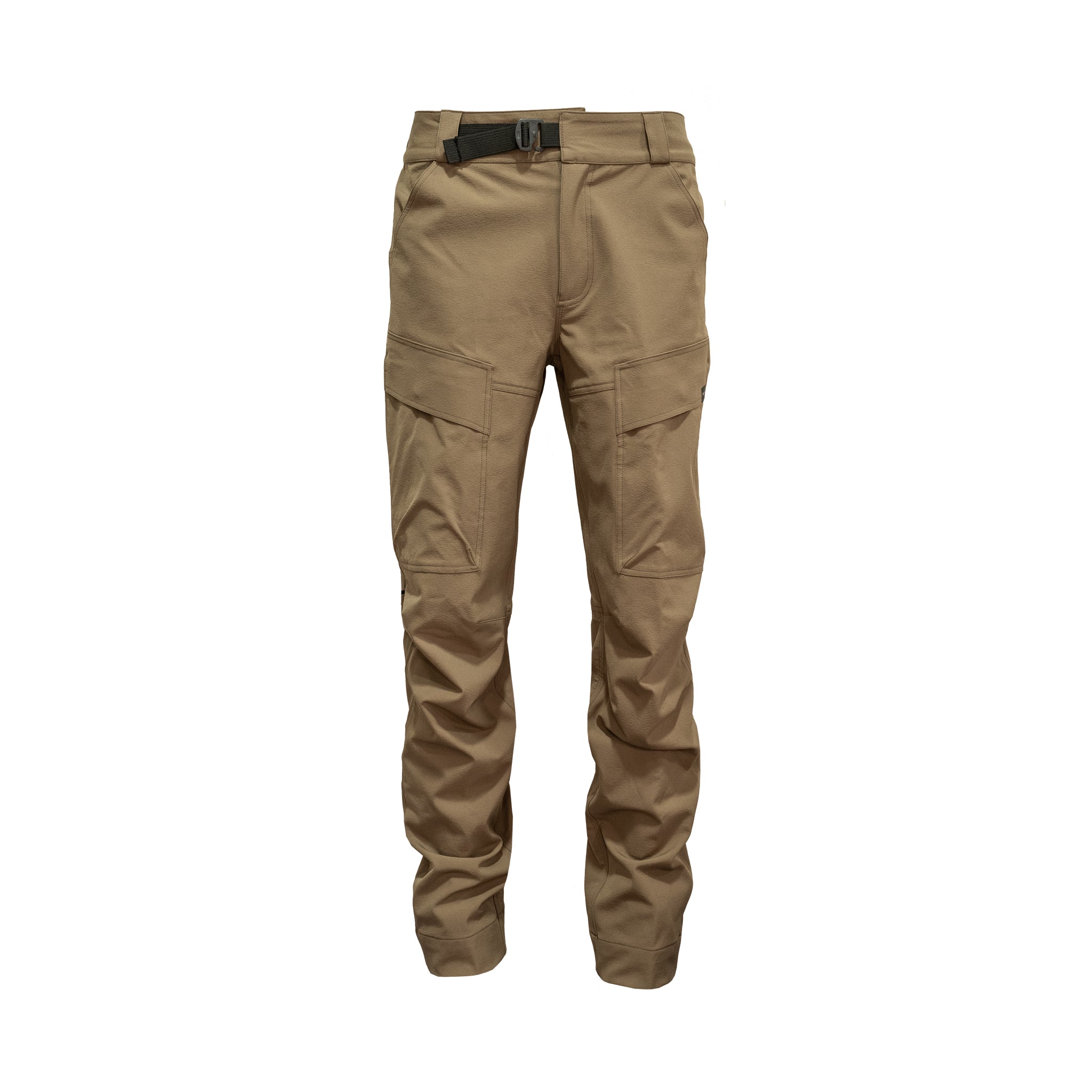
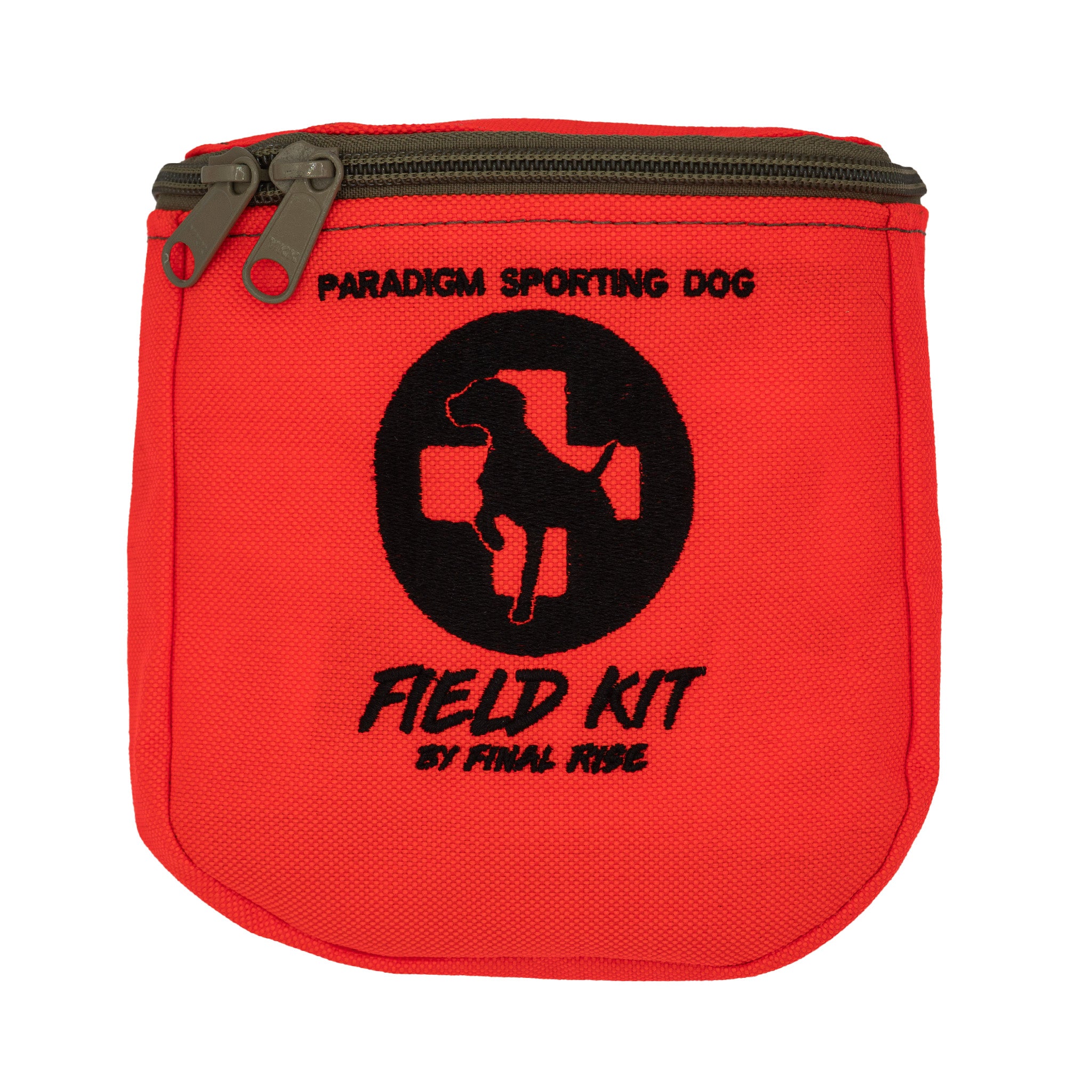
Mearns' quail hunting means steep, rocky canyons, oak savannas, and a lot of walking, often in warm winter sun. The Summit Vest System carries ample water for dogs and includes emergency dog-carry capability; see How to Carry an Injured Dog Out of the Field. If you're hunting closer to the truck, the Sidekick Vest System is a lighter choice. Cactus and rocky ground are hard on dogs, so a First Aid Field Kit is essential; read more about carrying a first aid kit for your upland hunting dog. The Sonora Sun Hoodie is a good layer under the Arizona sun. Planning a trip? See our western upland road trip gear guide.
Frequently Asked Questions
What's the difference between a Montezuma quail and a Mearns' quail? They're the same bird. "Mearns' quail" is a common name for the U.S. subspecies of the Montezuma quail, Cyrtonyx montezumae mearnsi, which lives in Arizona, New Mexico, and western Texas.
Can you hunt Montezuma quail in Texas? No. Montezuma quail are classified as a game bird in Texas, but there is no open season because populations are small and limited to a few areas.
Why are Mearns' quail called fool quail? Montezuma quail often freeze and rely on camouflage instead of running or flying, allowing hunters and dogs to get very close before they flush. That behavior led to the "fool quail" nickname.
What do Montezuma quail eat? Montezuma quail eat many underground bulbs and tubers, especially nutsedge and wood sorrel, which they dig up with their long claws. They also eat acorns, seeds, insects, and green plants.