

Ruffed Grouse Species Profile
Few sounds in the woods match the hollow, accelerating thump of a ruffed grouse drumming on a log in April, or the thunder of one flushing from a tangle of alder five feet from your boots in October. The ruffed grouse is the most widely distributed grouse in North America and, to generations of hunters in the Northeast, Great Lakes, and Appalachians, the "king of game birds." This species profile covers how to identify ruffed grouse and their color phases, where they live, what they eat, how they breed and raise broods, when seasons typically run, why the meat is so prized, and what's behind recent population declines.
Ruffed Grouse at a Glance
| Attribute | Details |
|---|---|
| Scientific name | Bonasa umbellus |
| Common names | Ruffed grouse, partridge ("pa'tridge"), pats, thunder chicken |
| Size | 16–19 in. long |
| Weight | About 1–1.5 lb |
| Lifespan in the wild | Typically 1–3 years |
| Primary U.S. range | Northern forests from Alaska to Maine; Great Lakes states; Appalachians south to Georgia; Rocky Mountains and Pacific Northwest |
| Typical season | Mid-September or October through December or January |
| Meat | White, delicate, fine-grained; among the best-eating game birds |
| Conservation status | Widespread; significant declines in the Appalachians, mid-Atlantic, and parts of the Great Lakes |
Ruffed Grouse Identification and Primary Attributes
Ruffed grouse are chicken-sized, with a small crest, a fan-shaped tail crossed by a broad dark band near the tip, and the black "ruff" feathers on the sides of the neck that give the bird its name. Males raise the ruff and fan the tail in display. The plumage comes in two main color phases: gray, which is more common in the north and at higher elevations, and red (rufous-brown), more common in the south and in wetter forests, with plenty of intermediate birds in between.
Telling males from females is possible in hand: males usually have an unbroken dark tail band and longer central tail feathers, while females typically show a broken or faint band on the central feathers.
Ruffed grouse also grow winter "snowshoes." Each fall, comb-like projections called pectinations grow along the sides of the toes, increasing the surface area of the foot for walking on snow. And on cold nights, grouse often dive from the air straight into soft snow to roost, where the snow acts as insulation.
Ruffed Grouse Habitat: Where Ruffed Grouse Live
The most important thing to know about ruffed grouse habitat is that it's young forest. Grouse thrive in dense, regenerating stands where stems are thick enough to hide from hawks and owls. Key habitat components include:
- Young aspen and mixed hardwoods. Stands 5–20 years old provide dense cover; mature aspen supplies winter buds.
- Alder and shrub thickets along streams and wet ground, often used for brood rearing and fall cover.
- Edges and openings such as logging roads, old clearcuts, and abandoned farms with grassy openings and fruiting shrubs.
- Conifer cover for winter shelter from wind and predators.
- Drumming logs in thick cover, where males display and defend small territories.
Aspen is the single most important tree for ruffed grouse across much of the northern range, providing both cover when young and buds and catkins when mature. That's why timber harvest, which resets forests to the young age class grouse prefer, is the main habitat tool for managers.
What Do Ruffed Grouse Eat? Diet and Water Needs
Ruffed grouse are generalists that eat hundreds of plant species over a year:
- Spring and summer: green leaves, flowers, and fruits, plus insects, which make up most of a chick's diet in its first weeks.
- Fall: fruits and berries (dogwood, grapes, viburnum, hawthorn, wild cherry, apples), acorns and beechnuts where available, and clover and other greens.
- Winter: buds and catkins of aspen, birch, hazel, cherry, and other trees and shrubs. Male aspen flower buds are a top-quality winter food in the north.
Grouse rarely need open water and can get by on the moisture in their food, dew, and snow.
Ruffed Grouse Breeding, Drumming, and Brood Rearing
Ruffed grouse are not lek birds. Instead, each male defends a small territory centered on a drumming log or similar perch. From early spring, he stands on that log and beats his wings rapidly against the air, creating low-frequency thumps that start slowly and accelerate into a whir. Drumming attracts hens and warns off other males, and it can be heard a quarter mile or more away. Males also drum in fall.
After mating, the hen nests alone, usually at the base of a tree, stump, or brush pile. She lays about 9–14 eggs (most often 10–12) and incubates for around 24 days. Chicks leave the nest within a day of hatching, can fly short distances at 10–12 days, and stay with the hen until they disperse in early fall, when young birds may travel several miles to find their own territories. This "fall shuffle" is part of why grouse sometimes show up in odd places in October.
In the northern part of the range, ruffed grouse populations have long been known to follow a roughly 10-year cycle of highs and lows.
Ruffed Grouse Hunting Season Dates
Ruffed grouse seasons vary widely by state, but common patterns include:
- Great Lakes states (MN, WI, MI) usually open in mid-September and run into December or early January, sometimes with zone differences. Michigan, for example, typically runs September 15 through mid-November and reopens in December.
- New England and New York typically open between mid-September and October and run into winter.
- Pennsylvania and the Appalachians generally run October into late November, with late seasons reduced or eliminated in several states in response to population declines.
- Western states often open September 1 under "forest grouse" seasons that include ruffed, dusky, and spruce grouse.
Bag limits typically range from 2 to 5 birds per day. Check current regulations every year, especially in eastern states where seasons have been shortened. For tactics in thick cover, see our complete ruffed grouse hunting guide.
Ruffed Grouse Meat Profile: How Ruffed Grouse Taste and How to Cook Them
Ask any well-traveled bird hunter which upland bird eats best, and ruffed grouse will be at or near the top of the list. The breast is white, fine-grained, and delicate, with a mild, slightly nutty flavor shaped by a diet of fruit, buds, and greens. It's less dense than pheasant and far more tender.
- Keep it simple. Pan-sear breast fillets in butter with thyme, or roast plucked birds whole.
- Don't overcook. Grouse breast is lean and fine; pull it while still juicy.
- Pair with fall flavors. Apples, cider, wild mushrooms, and cream sauces are classic matches.
- Save the feathers. Ruffed grouse body feathers make excellent soft-hackle and streamer flies; see our ruffed grouse marabou streamer tying guide.
Ruffed Grouse Hunting History and Conservation Status
Ruffed grouse have been hunted in North America for as long as people have lived in its forests. In New England and the Great Lakes, a culture of wingshooting with pointing dogs and fine side-by-sides grew up around "partridge" in the late 1800s and early 1900s, and writers like William Harnden Foster and Burton Spiller helped make grouse hunting a literary tradition. Pennsylvania named the ruffed grouse its state bird in 1931, and the Ruffed Grouse Society was founded in 1961 to advocate for young-forest habitat.
The species is still widespread and is not federally listed, but it has declined substantially in parts of its range. Loss of young forest, as old farmland matured and timber harvest declined, is the long-term driver, especially in the Appalachians and mid-Atlantic. A newer concern is West Nile virus. Research in Pennsylvania found that ruffed grouse occupancy declined most in areas with the highest rates of West Nile infection in mosquitoes, and that flush rates dropped after the virus arrived. Virginia and other states have also linked their declines to both habitat loss and the virus. In the Upper Midwest, multi-year testing of hunter-harvested birds in Michigan, Minnesota, and Wisconsin found low infection rates, and populations there remain comparatively strong. Several states have responded by shortening seasons or eliminating late seasons while increasing young-forest management.
Gear for Ruffed Grouse Cover
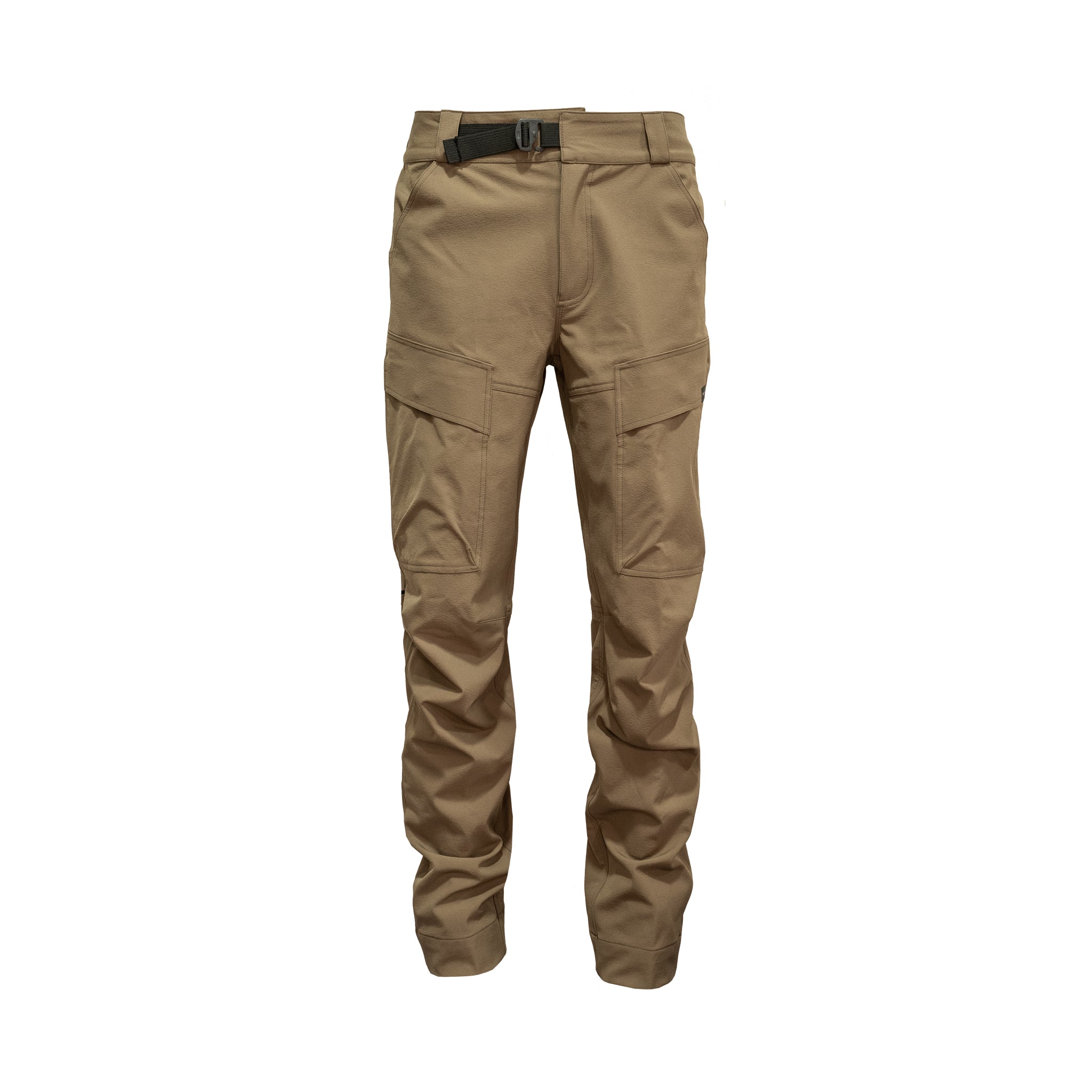
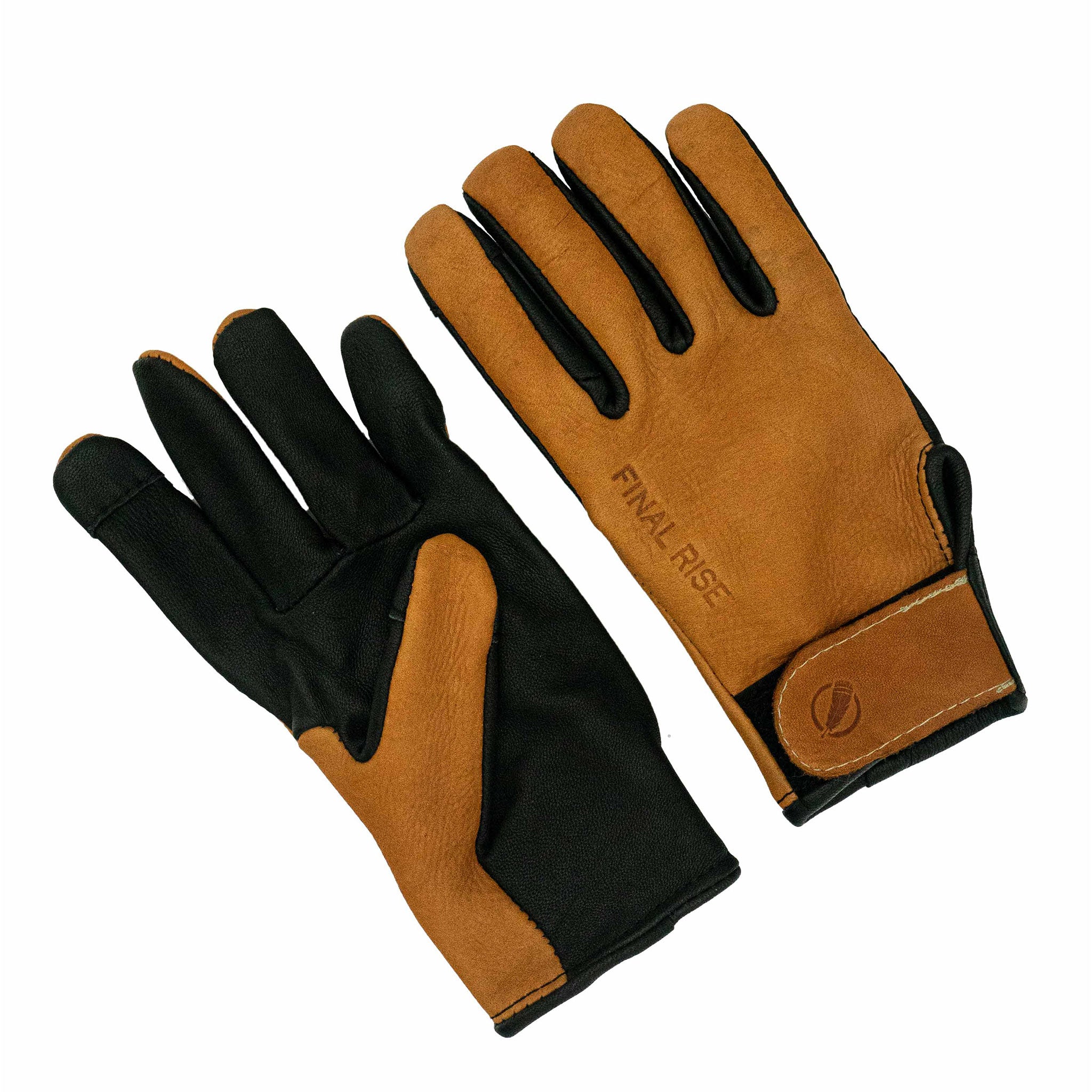
Thick aspen, alder, and blowdown punish bulky gear fast. The Legacy Vest System is the lightest full-size vest we make at 2.25 lb, with a streamlined profile that slides through cover and still includes our emergency dog-carry capability, which is why it's our pick in What Is the Best Ruffed Grouse Hunting Vest?. Hunters who want to carry more water for a dog on warm October days can step up to the Summit Vest System. Thornapple and brambles are hard on hands and legs, so Field Gloves and the All Terrain Field Pant are worth having. The full kit is in our ruffed grouse gear checklist.
Frequently Asked Questions
How do ruffed grouse drum? A male stands on a log or similar perch and beats his wings rapidly forward and upward, compressing air to create a low thumping sound. He does not strike the log or his body; the sound comes from the air movement alone.
Why are ruffed grouse populations declining? The main long-term cause is the loss of young forest habitat as forests age and timber harvest declines. In some eastern states, West Nile virus also appears to be contributing, with research in Pennsylvania linking declines to areas with high virus activity.
What's the difference between a red-phase and gray-phase ruffed grouse? They are the same species with different color morphs. Gray-phase birds have gray tails and are more common in northern and higher-elevation forests, while red-phase birds have rusty-brown tails and are more common in southern and wetter areas.
Do ruffed grouse really sleep in the snow? Yes. In cold weather with soft, deep snow, ruffed grouse will dive into the snow and roost beneath the surface, where temperatures are much warmer than the open air. They burst out when disturbed, which can startle an unsuspecting skier or hunter.