


Sharptailed Grouse Species Profile
Before dawn on a spring morning in sharptail country, you can hear them before you can see them: cooing, cackling, and the drumming patter of tiny feet on a bare hilltop. The sharp-tailed grouse is a bird of big sky and open grass, and its life revolves around wide, treeless spaces, from the dancing grounds where it breeds to the snowdrifts it burrows into on subzero nights. This species profile covers sharptail identification and subspecies, habitat, what sharp-tailed grouse eat, lek breeding and brood rearing, typical season dates, the bird's distinctive dark meat, and its history and conservation status.
Sharp-Tailed Grouse at a Glance
| Attribute | Details |
|---|---|
| Scientific name | Tympanuchus phasianellus |
| Common names | Sharptail, sharpie, prairie grouse, "firebird" |
| Size | 15–19 in. long |
| Weight | About 1.3–2 lb |
| Lifespan in the wild | Typically 1–3 years |
| Primary U.S. range | Northern Great Plains (ND, SD, MT, NE, WY), Upper Midwest (MN, WI, MI), and Columbian populations in CO, UT, ID, WA |
| Typical season | September through December or early January |
| Meat | Dark breast, rich; legs lighter than breast |
| Conservation status | Secure on the northern plains; Columbian subspecies and Great Lakes populations of concern |
Sharp-Tailed Grouse Identification and Primary Attributes
Sharptails are medium-sized, mottled brown-and-white grouse with a short, pointed tail whose central feathers extend beyond the rest, giving the bird its name. The belly is white with scattered brown V- or chevron-shaped marks, and the feathered legs help insulate the bird in winter. Males have yellow-orange combs over the eyes and pale purple air sacs on the neck that inflate during display. In flight, the white underside and pointed tail are distinctive, and birds often give a chuckling tuk-tuk-tuk call when they flush.
The most common identification challenge is the greater prairie-chicken, which shares parts of the sharptail's range in Nebraska, South Dakota, and North Dakota. Prairie-chickens have a darker, rounded tail and bold horizontal barring on the belly and flanks, while sharptails show white bellies with scattered V marks and a pointed, white-edged tail.
Biologists recognize six living subspecies. The plains sharp-tailed grouse covers most of the Great Plains, the prairie subspecies lives in Minnesota and the Upper Midwest, the northwestern subspecies lives in Alaska and western Canada, and the Columbian sharp-tailed grouse (called "mountain sharp-tailed grouse" in Colorado) occupies shrub-steppe and mountain foothills in Colorado, Utah, Idaho, Wyoming, and Washington. A seventh subspecies once found in New Mexico is now extinct.
Sharp-Tailed Grouse Habitat: Where Sharptails Live
Sharptails need large, open, unfragmented landscapes. They tolerate scattered shrubs and small trees but disappear as woody cover takes over. The core habitat elements are:
- Native grassland and CRP with enough height and structure to hide nests, ideally interspersed with forbs that produce insects.
- Shrub patches and brushy draws of chokecherry, snowberry, buffaloberry, rose, serviceberry, and sagebrush for cover and winter food.
- Leks on flat or gently rounded hilltops with short vegetation and good sightlines, often used for decades.
- Winter woody cover such as aspen groves, birch, river bottoms, and shelterbelts in the northern part of the range.
In winter, sharptails will burrow under fresh, soft snow to roost, using it as insulation against bitter cold, and in some areas they perch in trees to feed on buds. You can find more on how habitat, weather, and predators drive numbers in our guide to what factors influence sharp-tailed grouse populations.
What Do Sharp-Tailed Grouse Eat? Diet and Water Needs
Sharptail diets change dramatically with the seasons:
- Spring and summer: green leaves, flowers, and forbs such as dandelion, clover, and alfalfa, plus insects. Grasshoppers are especially important.
- Chicks: insects make up most of the diet for the first few weeks of life.
- Fall: fruits and berries (rose hips, chokecherries, snowberries, buffaloberries), waste grain from small grain and sunflower fields, and remaining greens.
- Winter: buds and catkins of aspen, birch, willow, and other shrubs and trees, along with any waste grain they can reach.
Sharptails don't depend on open water. They get most of their moisture from succulent vegetation, insects, dew, and snow, although prairie potholes and wetland edges are often good places to find birds because of the insects and green cover they support.
Sharp-Tailed Grouse Breeding, Leks, and Brood Rearing
Sharptails are lek breeders. From March through May, males gather on traditional dancing grounds before sunrise and perform a rapid, stamping display: wings spread, tail cocked upright and rattling, head lowered, purple air sacs inflated, feet drumming the ground. Dominant males hold central territories on the lek, and most matings go to a small number of them. Native peoples of the plains drew on this display in ceremonial dances, which is part of the bird's deep cultural history.
After mating, the hen nests alone, usually within a mile or two of the lek, under grass or shrub cover. She lays about 10–13 eggs and incubates them for roughly 23–24 days. Chicks are precocial, can make short flights by about 10 days old, and stay with the hen through summer. By fall, broods begin to merge into larger flocks, which can number 100 or more birds in winter.
Sharp-Tailed Grouse Hunting Season Dates
Sharptail seasons typically open in September and run well into winter on the northern plains:
- North Dakota commonly opens in mid-September and runs to early January (the 2026 season runs September 12 through January 3).
- Montana usually opens September 1 and runs into early January.
- South Dakota and Nebraska run combined prairie grouse seasons from September through January 31.
- Minnesota and Wisconsin hold shorter, zone-based seasons; Wisconsin's is limited by permit.
- Colorado's mountain sharp-tailed grouse season is short and limited to specific units, and requires a separate permit.
Always check current regulations, especially where sharptails overlap with prairie-chickens. For tactics from early to late season, see our complete sharptailed grouse hunting guide and our 2026 Montana sharptail outlook.
Sharp-Tailed Grouse Meat Profile: How Sharptails Taste and How to Cook Them
Sharptail is a dark-meat bird. The breast is a deep reddish color closer to duck or dove than to pheasant, and, unusually, the legs are lighter than the breast. Early-season birds feeding on insects and greens tend to be milder; late-season birds that have been eating buds can carry a stronger, more woodsy flavor.
- Cook it like waterfowl. Sear breasts hot and fast and serve medium-rare to medium.
- Use acidic or fruity sauces. Chokecherry, cranberry, or balsamic reductions balance the rich meat.
- Marinate late-season birds. A buttermilk soak or a citrus-and-herb marinade tones down stronger flavors.
- Try it thin. Sliced sharptail breast works beautifully in fajitas, stir-fry, or grilled skewers.
Sharp-Tailed Grouse Hunting History and Conservation Status
Sharp-tailed grouse once ranged across roughly 21 states and eight Canadian provinces, from Great Lakes pine barrens to the shrub-steppe of the interior West. Plains Indians knew the bird well, and early settlers described enormous flocks. As native prairie was plowed, wetlands drained, and fire suppressed, the bird's range shrank, and it disappeared entirely from several states, including Kansas, Illinois, Iowa, California, Nevada, and New Mexico.
Today the northern plains populations in North Dakota, South Dakota, Montana, Nebraska, and Wyoming remain healthy enough to support liberal seasons, and Saskatchewan has made the sharptail its provincial bird. The Columbian subspecies is the main conservation concern: it occupies a small fraction of its historic range and is the focus of habitat restoration and reintroduction efforts in several western states. In Minnesota, Wisconsin, and Michigan, managers rely on prescribed fire, brush cutting, and timber management to maintain the open "barrens" that sharptails need. Sharp-tailed grouse are not federally listed.
Gear for Sharptail Country
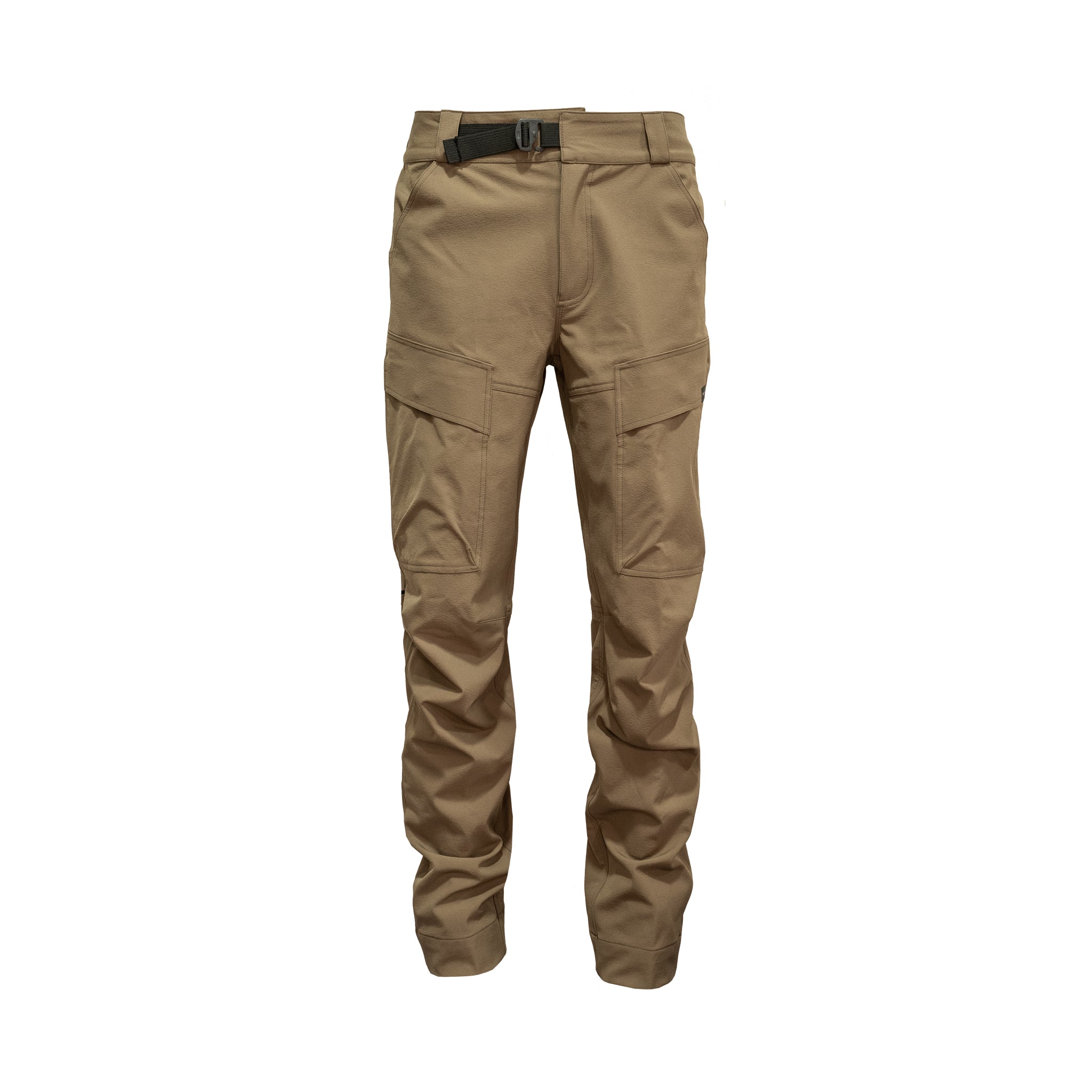
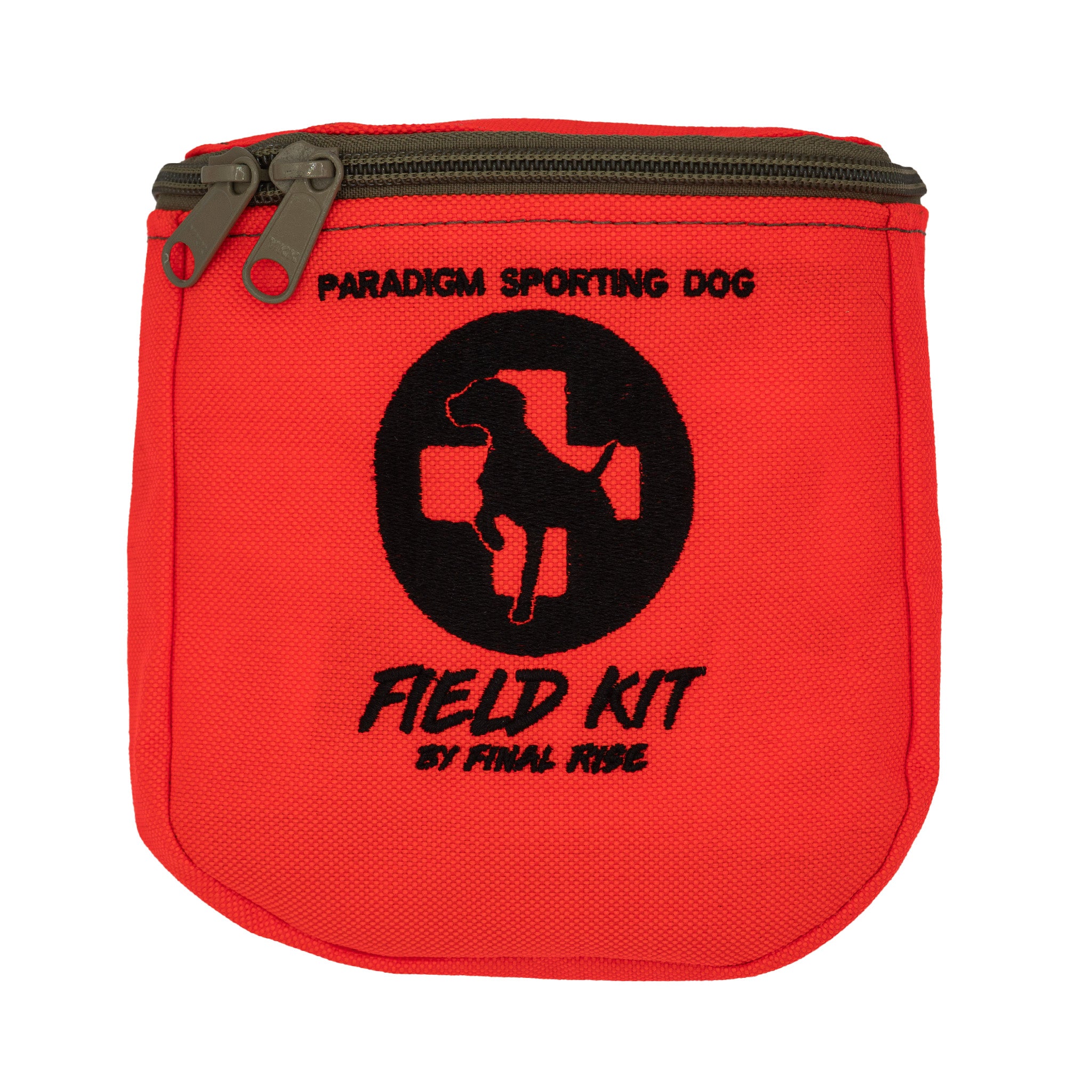
Early-season sharptail hunts mean heat, miles, and light bag limits, while late-season hunts mean wind, cold, and heavy layers. For warm September days, the sub-2-lb Sidekick Vest System carries two 32-oz bottles and can drop its shoulder harness for airflow, which is why it's our pick in What Is the Best Vest for Early Season Sharptail Grouse?. When temperatures drop, the Summit Vest System adds capacity for extra layers and birds. Cactus and porcupines are a real hazard on the prairie, so a First Aid Field Kit belongs in every vest, and an Upland Hand Muff/Warmer makes December pass-shooting much more pleasant. Our sharptail gear checklist covers the rest.
Frequently Asked Questions
Why is it called a sharp-tailed grouse? The name comes from the bird's short, pointed tail, in which the two central feathers extend beyond the others. In flight, the pointed tail and white underside make sharptails easy to recognize.
How do you tell a sharp-tailed grouse from a prairie chicken? Sharptails have a pointed tail and a white belly with scattered V-shaped marks, while greater prairie-chickens have a short, rounded dark tail and heavy horizontal barring across the belly and flanks. Learning this difference is important wherever both species share range.
Do sharp-tailed grouse migrate? No. Sharptails are year-round residents, though they move seasonally between breeding, brood-rearing, and wintering areas, sometimes several miles apart, and gather in large flocks in winter.
What is a sharptail lek? A lek is a traditional display ground where male sharptails gather each spring to dance and compete for females. Leks are usually on open hilltops or ridges and can be used by generations of birds.