

How to Hunt Ruffed Grouse: The Complete Ruffed Grouse Hunting Guide
There's a reason ruffed grouse are called the king of game birds. A grouse can sit tight as a stone in a stand of aspen, let a hunter walk within a few feet, and then explode straight up through the canopy in a burst of wingbeats that will stop your heart before you ever find the bird in your sights. Ruffed grouse hunting means walking thick, tangled cover in some of the most beautiful hardwood and aspen country in America, working a dog through popple stands and alder runs, and testing your reflexes against a bird built to disappear. Whether you know the bird as a ruffed grouse, a "partridge," or just "the grouse that got away," this guide covers everything you need to know about how to hunt ruffed grouse, from habitat and history to shooting technique, dog breeds, tablefare, and the gear that belongs in your vest.

The History and Origins of Ruffed Grouse Hunting in America
Ruffed grouse hunting is one of the oldest upland traditions on the continent. Long before pheasants were introduced from Asia or chukar were stocked in the West, ruffed grouse were already native to the hardwood forests stretching from New England down through the Appalachians and west across the Great Lakes and into Canada. Early American settlers hunted them for the table, and by the 19th century, grouse hunting in New England had developed into a formal sporting tradition, complete with fine double guns, close-working setters, and a body of writing that helped define American wingshooting culture.
The bird's other common name, "partridge," dates back to this same era. New England and Appalachian hunters still call ruffed grouse "partridge" or simply "pat" today, even though the true partridge is a different bird entirely found in Europe and Asia. That naming quirk is part of the sport's charm, and it's a good example of how regional a tradition grouse hunting has always been. Unlike pheasant hunting, which is closely tied to a handful of Midwest grain states, or chukar hunting, which is defined by the canyon country of the Intermountain West, ruffed grouse hunting has deep roots almost everywhere hardwood and aspen forest grows, from Maine to Minnesota to the mountains of West Virginia.
The Ruffed Grouse Society, founded in 1961, grew out of that tradition and remains one of the most influential conservation organizations in American upland hunting, funding forest management work that keeps young, regenerating habitat on the landscape for grouse and woodcock alike. That habitat work matters more for grouse than for almost any other upland bird, because grouse numbers are tied directly to the age and diversity of the forest around them.

How Popular Is Ruffed Grouse Hunting Today?
Grouse hunting has never carried the mainstream visibility of a pheasant opener, but among upland hunters it holds a near-mythical status. A few things drive that reputation:
- A dedicated following. Grouse hunters tend to be some of the most committed, gear-obsessed, dog-focused hunters in the upland world, often building entire fall trips around a handful of coverts they've hunted for years.
- A built-in population cycle. Ruffed grouse populations rise and fall on a roughly cyclical pattern, often referred to as a ten-year cycle, most pronounced across the northern Great Lakes and Canada. Good cycle years bring a surge of new hunters into the woods; down years thin the crowd back out to the diehards.
- A thriving destination economy. States like Minnesota, Wisconsin, Michigan, and Pennsylvania see meaningful fall tourism tied to grouse and woodcock hunting, with local guides, orchards, and small-town diners built around the season.
- Strong conservation backing. Organizations like the Ruffed Grouse Society and American Woodcock Society continue to grow membership by connecting hunters directly to habitat projects, which keeps the sport's population engaged even in slow bird years.
Grouse hunting also tends to pull in hunters who already chase pheasants or chukar looking for a new kind of challenge, one built more on woodsmanship and a good dog than on covering big open ground.
Ruffed Grouse Habitat: Where to Find Ruffed Grouse
If pheasant hunting is about finding grain-country grass and chukar hunting is about finding water in steep rock, ruffed grouse hunting is about finding the right age of forest. Grouse need young, dense, regenerating woods, and the single best indicator species across most of their range is aspen.
- Aspen stands 5 to 20 years old. This is the sweet spot. Young aspen provides the dense stem cover broods need to hide from hawks and owls, while mature aspen catkins are a critical winter food source. The best grouse coverts often sit right at the edge between the two.
- A patchwork of forest ages. Because grouse have small home ranges, often just 10 to 40 acres, the best ground has multiple age classes of forest close together: recent cuts, mid-age regrowth, and mature timber all within a short flight of each other.
- Alder runs and streamside cover. Low, wet alder thickets hold grouse (and woodcock) especially well in early fall, offering dense overhead cover and soft, insect-rich ground.
- Old apple orchards and forest edges. Abandoned homesteads and overgrown orchards are classic grouse magnets in fall, when birds key in on fruit, wild grapes, and berries before shifting almost entirely to aspen buds in winter.
- Softwood pockets. Stands of conifer mixed into hardwood cover give grouse a place to escape to when flushed and a place to roost during bad weather, and they're often worth a second look after a bird flies wild.
- Drumming logs. In spring, male grouse drum on downed logs to establish territory. While that's not hunting season, scouting drumming activity in spring and summer is one of the best ways to pattern where birds will be living come fall

Ruffed Grouse Hunting Seasons: Timing and Regional Differences
Ruffed grouse seasons typically run from early or mid-September through late fall or early winter, with exact dates and bag limits varying significantly by state, so always check current regulations before you head out. A few patterns hold true across most of the grouse's range:
- Early season (September–early October): Birds are often still keyed on fall food sources like fruit and berries near forest edges, and broods may still be loosely grouped. Foliage is heavy, which means close flushes and fast, reactive shooting.
- Mid-to-late season (October–November): As leaves drop, grouse become easier to spot in the air but often flush wilder, having heard more boots in the woods. Birds start shifting toward aspen buds and heavier cover.
- Late season (December and beyond, where legal): Cold weather concentrates birds around reliable food and thermal cover, particularly conifer stands and mature aspen. Deep snow can also change how and where grouse are holding.
One important regional note: in most of the Midwest, Northeast, and Appalachians, ruffed grouse season overlaps with archery deer season and, in some states, firearm deer season as well. Wearing blaze orange isn't just good practice in the grouse woods, it's the law in many states during these overlaps, and it's one of the most important habits a grouse hunter can build.
Shooting Ruffed Grouse: Tips for Wingshooting Success
Ruffed grouse have earned their reputation as one of the toughest wingshooting challenges in North America, and it has almost nothing to do with the bird's speed and everything to do with cover, timing, and surprise.
- Stay ready at all times. Unlike pheasants flushing from open grass, grouse flush from a few feet away in thick cover, often behind you or to the side. Keep your gun up and your safety on, ready to mount at any moment.
- Mount the gun to your cheek, not the other way around. Grouse hunting rewards a clean, practiced gun mount more than any other upland discipline. Spend time in the offseason mounting an empty gun at a spot on the wall until it's automatic.
- Pick a hole, not the whole bird. In heavy cover, you're rarely shooting at a clean bird; you're shooting through a gap in the leaves or branches. Find the opening and shoot into it rather than chasing the bird through brush with your barrel.
- Go with an open choke. Because shots are close and cover is thick, most grouse hunters run Cylinder or Improved Cylinder chokes with No. 7½ or 8 shot to maximize pattern spread at short range.
- Don't chase the flush sound. A grouse's explosive flush is designed to startle you into a rushed, off-balance shot. Take the extra half-second to find the bird visually before pulling the trigger.
- Trust your dog's body language. A dog that suddenly slows, tenses, or goes birdy is telling you a flush is close. Reading those cues buys you the split second of readiness that grouse hunting demands.
Best Dog Breeds for Ruffed Grouse Hunting
A good grouse dog doesn't need to cover 200 acres, it needs to hunt close, handle thick cover, and give you a moment's warning before the flush. Both pointing and flushing breeds have long, proven track records in the grouse woods.
Pointing breeds:
- English Setter — The classic grouse dog, prized for a close-working, methodical style that fits tight cover and generations of grouse-woods tradition.
- Brittany — Compact, biddable, and naturally close-ranging, Brittanys are an excellent choice for hunters covering thick cover on foot without a horse or ATV.
- German Shorthaired Pointer — A versatile, reliable option that adapts well between open pheasant country and tighter grouse cover.
- German Wirehaired Pointer — Built for briars and rough cover, with a coat that shrugs off the thorns and brush that define classic grouse habitat.
Flushing breeds:
- English Springer Spaniel — The quintessential close-working flusher, built to push tight cover and put birds in the air within range.
- English Cocker Spaniel — A smaller, high-energy option that excels in the tightest, nastiest cover a grouse hunter will walk into.
- Labrador Retriever — A versatile choice for hunters who also want a steady retriever for waterfowl or other upland birds later in the season.
Whichever breed you choose, a bell or a GPS tracking collar is nearly essential in grouse cover. Visibility disappears fast in thick aspen and alder, and knowing where your dog is matters as much as knowing where the bird is.

Ruffed Grouse Tablefare: Cooking and Eating Your Harvest
Ruffed grouse are widely considered one of the finest eating birds in North America. The breast meat is fine-grained, mild, and slightly nutty, white meat. Not all that dissimilar from Chukar or Pheasants, just smaller in size.
- Breast the bird in the field or at home. Many grouse hunters simply breast out the meat rather than plucking the whole bird, since the breast is the primary table cut and grouse skin can carry more shot debris than larger birds.
- Don't overcook it. Grouse breast is lean and dries out quickly. A quick sear in butter or a hot grill, pulled at medium, is all it takes to keep the meat tender.
- Brine or marinate for extra insurance. A short buttermilk or salt brine before cooking helps keep the lean meat moist and adds flavor.
- Save the legs for stock. Grouse legs can be tougher and are better suited to a slow braise or simmered down for stock than a quick sear.
- Pair it simply. Classic preparations lean on butter, wild mushrooms, and a light pan sauce that lets the delicate flavor of the meat come through rather than overpowering it.
- My personal favorite. Grouse and Waffles. Take your cleaned Ruffed Grouse breasts, fry, and serve with your waffles and toppings of choice.
Essential Gear for a Ruffed Grouse Hunt
Grouse hunting is hard on gear. You're walking through briars, alder whips, and regenerating aspen all day, often in wet conditions, and your equipment needs to keep up without weighing you down.
- A modular vest built for close cover. A grouse hunt doesn't require the carrying capacity of a big pheasant hunt, but you still need room for water, shells, and a bird or two. The Sidekick offers a lightweight, under-2-lb system that won't snag in thick brush, while the Summit XT gives you a fuller-capacity option for longer days that still move with you through tight cover.
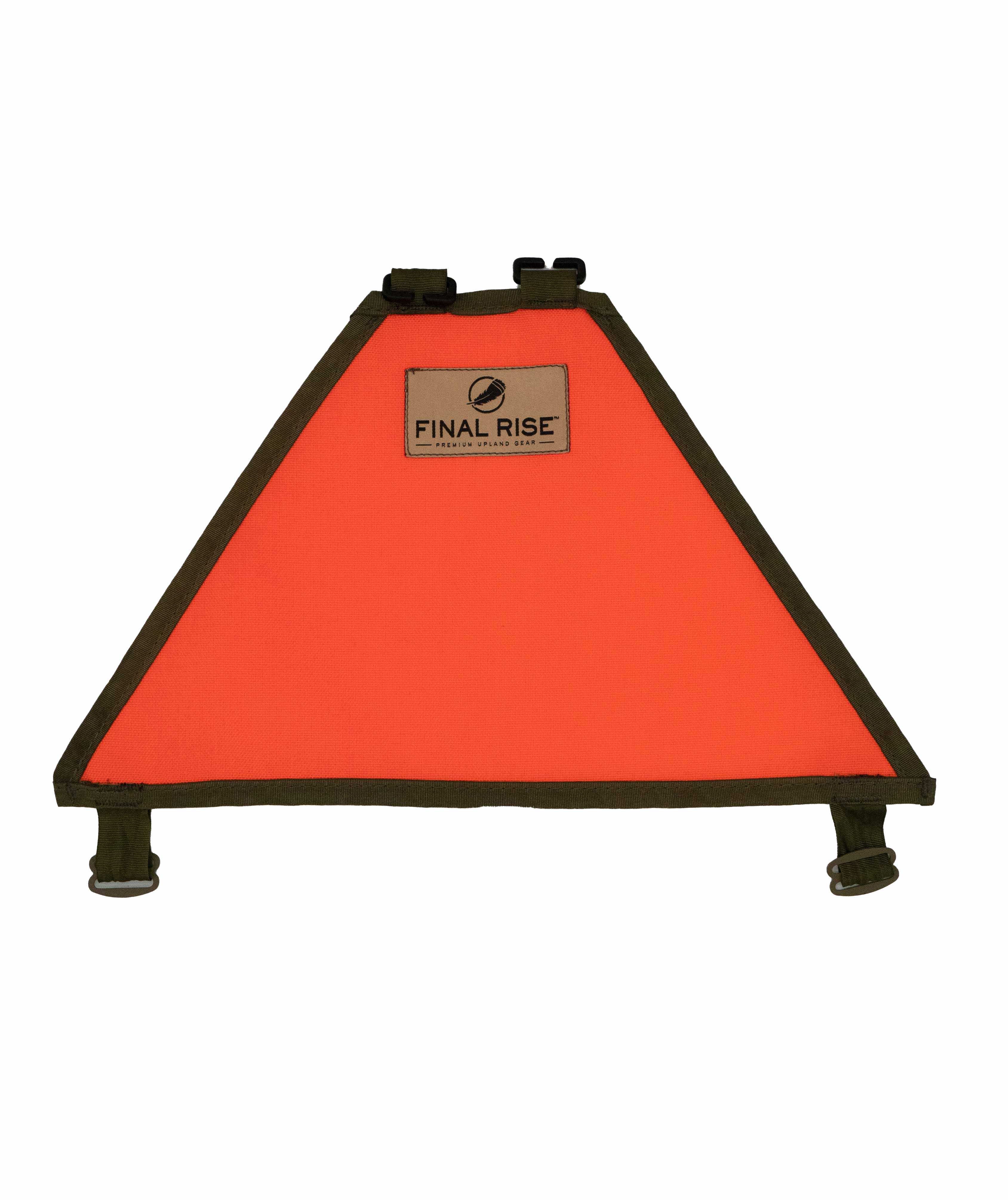
- Blaze orange, non-negotiable. Because grouse season overlaps with deer season across so much of the bird's range, blaze orange isn't optional. A Modular Rear Panel lets you add visibility to your existing vest setup without buying a whole new system.
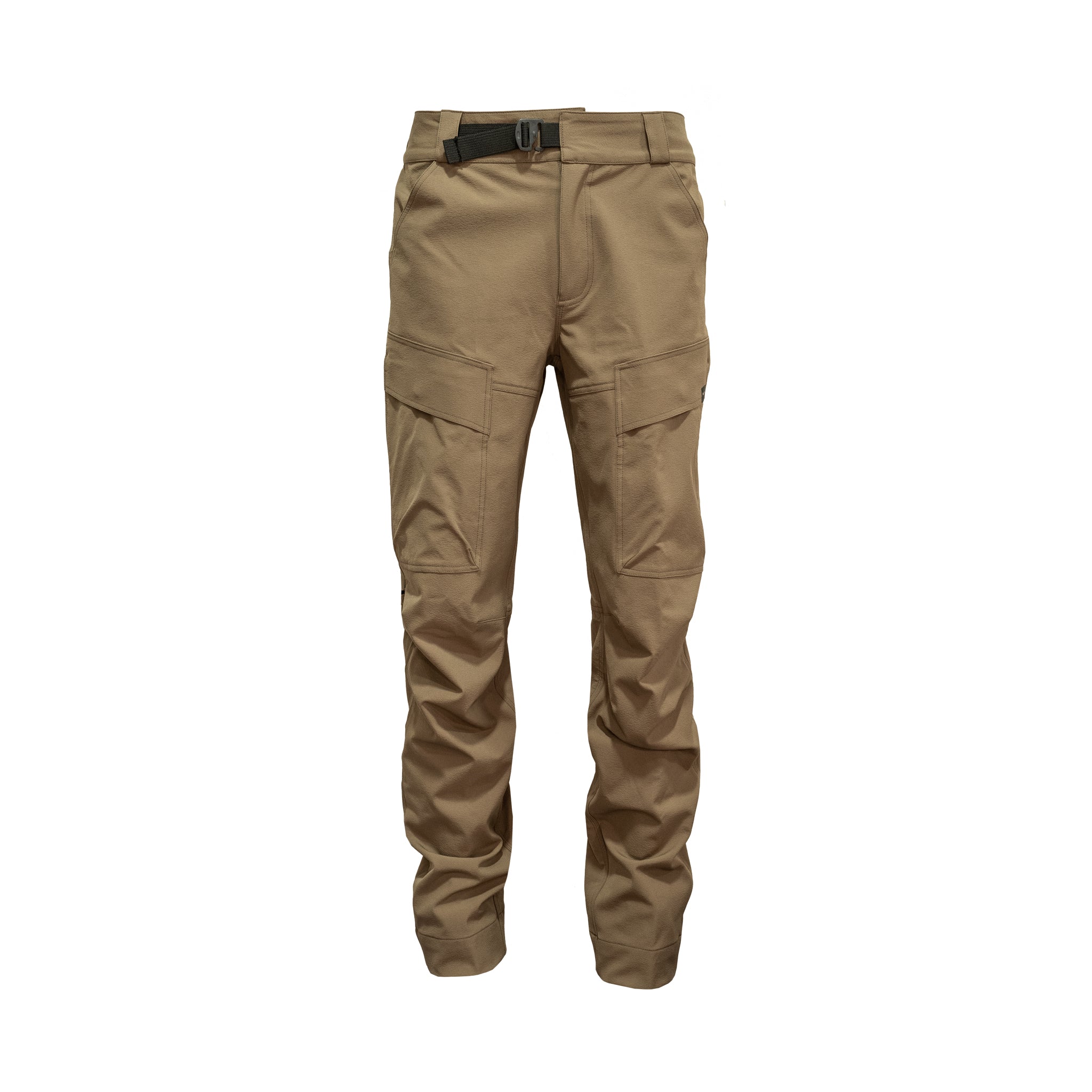
- Brush-resistant pants. Briars, thorns, and whippy young aspen will shred an ordinary pair of pants by lunch. The All Terrain Field Pant is built with 4-way stretch and reinforced panels that hold up to the punishment grouse cover dishes out while still moving freely.
- A shotgun and choke suited to close cover. Lighter 20 and 28-gauge guns are popular for grouse hunting since shots are close and a long day of carrying adds up; pair yours with an open Cylinder or Improved Cylinder choke.
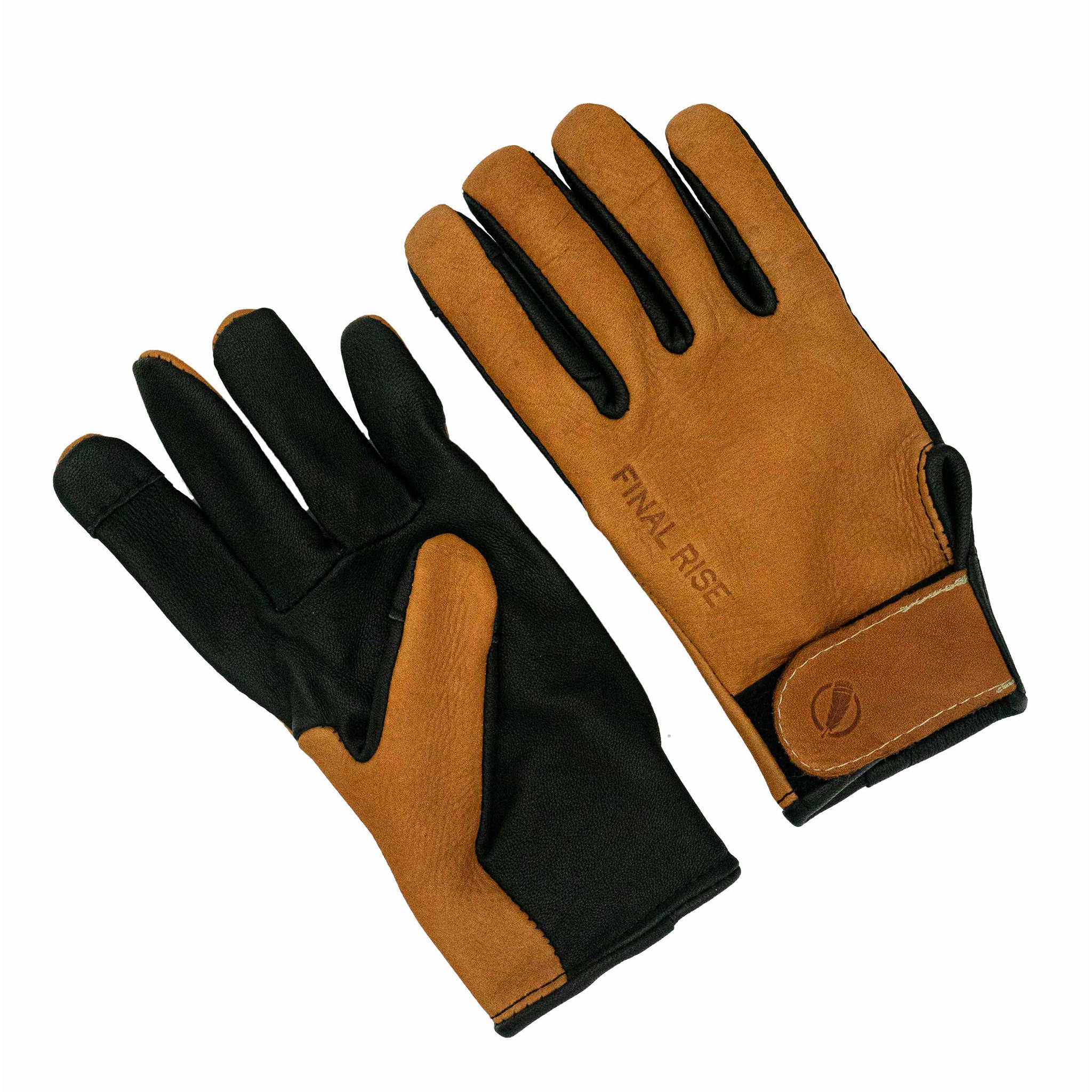
- Quality field gloves. Thorns and briars take a toll on hands as well as pants. A pair of durable Field Gloves protects your hands without sacrificing the feel you need on the gun.
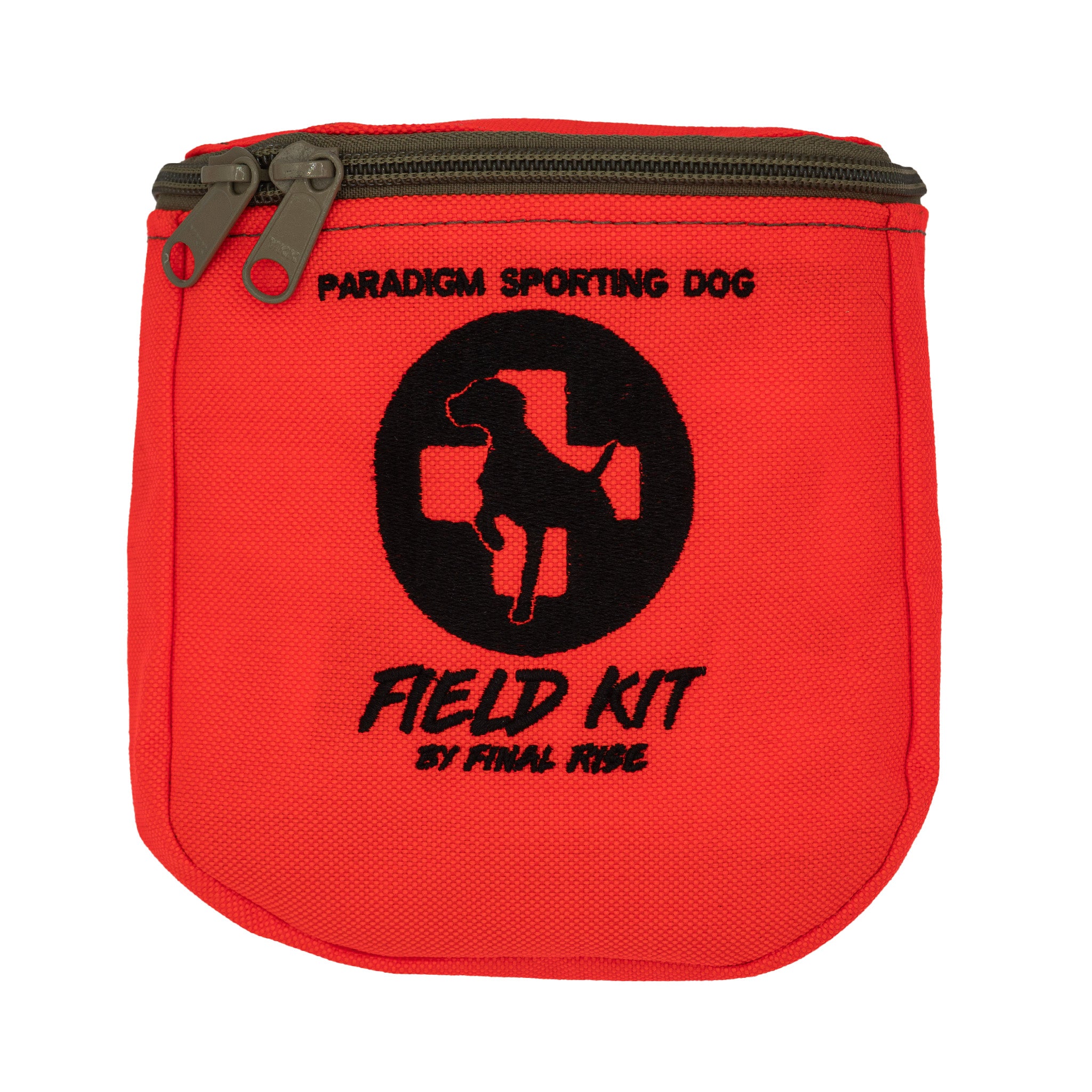
- A first aid kit. Between briars, uneven footing, and remote cover far from the truck, a compact First Aid Field Kit is cheap insurance on any grouse hunt.
- Layering pieces for cold mornings. Early-season grouse hunts often start cold and warm up fast with exertion through thick cover; an Upland Hand Muff/Warmer is a simple way to keep your hands warm between flushes without adding bulk.
If you're building out a broader upland kit for grouse, woodcock, and other early-season birds, our guide on the best vest for early-season sharptail grouse is a useful companion read for dialing in a warm-weather setup.

Frequently Asked Questions
What is the best time of day to hunt ruffed grouse? Early morning and late afternoon tend to be most productive, as birds move to feed on fruit, buds, and catkins near the edges of cover. Midday hunts can still produce, especially in thick, shaded cover where birds hold tight through the heat of the day.
Do you need a dog to hunt ruffed grouse? A dog isn't strictly required, but it's about as close to essential as upland hunting gets. Grouse are notoriously hard to spot on the ground and even harder to find once downed in thick cover, so a close-working pointing or flushing dog dramatically improves both your flush rate and your recovery rate.
What's the difference between early-season and late-season ruffed grouse hunting? Early-season birds are often found near fruit and berry sources at forest edges with heavy foliage still on the trees, leading to close, reactive shots. Late-season birds shift toward aspen buds and heavier cover, flush wilder due to accumulated hunting pressure, and are easier to spot once the leaves are down.
What should I wear ruffed grouse hunting? Layering is essential, since grouse hunts often start cold and warm up quickly once you're moving through cover. Brush-resistant pants and a comfortable, low-profile vest matter more in grouse hunting than almost any other upland pursuit, and blaze orange is a must given how often grouse season overlaps with deer season.