
How to Hunt Hungarian Partridge: The Complete Hun Hunting Guide
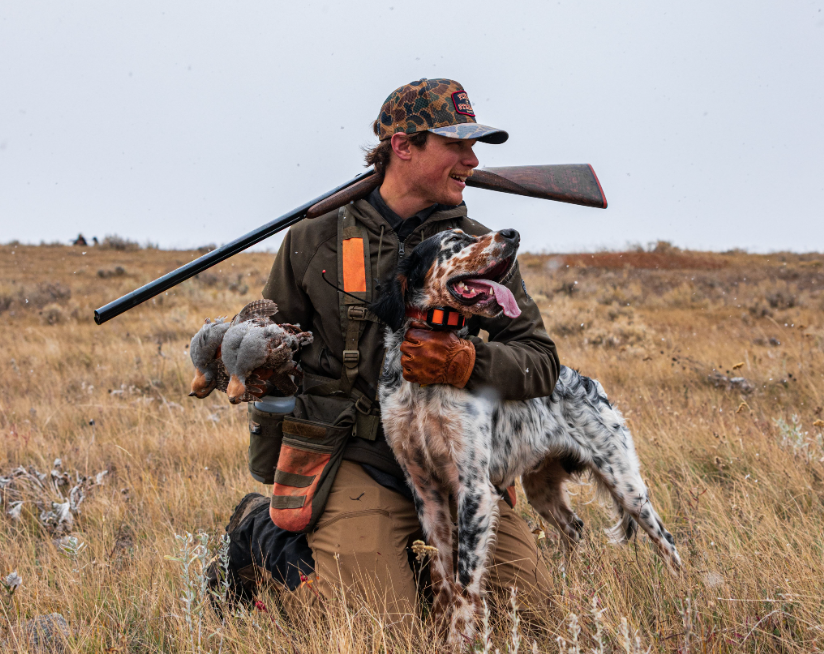
Huns don't give hunters much warning. A covey holds tight in stubble until you're nearly on top of it, then the whole group erupts at once in a low, fast, buzzing rush that's gone over the nearest rise before most shooters get their gun up. Hungarian partridge, or Huns, are one of the most underrated wingshooting challenges on the northern prairie, a genuinely wild, fast-flying bird that rewards a quick mount and punishes hesitation. This guide covers everything you need to hunt Hungarian partridge well: their history in North America, where to find them, how the season and their behavior shift across a hunt, how to shoot them, which dogs work best, what to do with them in the kitchen, and the gear worth carrying into the field.
The History and Origins of Hungarian Partridge Hunting in America
Hungarian partridge aren't native to North America, and their arrival here is a genuine conservation success story. As native game bird populations declined in the early 1900s, wildlife managers looked to Europe for a replacement upland species that could thrive on the continent's growing farmland. Fewer than 8,000 Hungarian partridge had been imported before 1908, but that number exploded to more than 40,000 birds in 1908 and 1909 alone, with releases in California, Connecticut, Delaware, Illinois, Indiana, Kansas, Nebraska, New Jersey, and Washington. Most of those early transplants faded out, but the birds released across the northern Great Plains and the wheat country of the Pacific Northwest found ideal habitat and took hold permanently.
Huns succeeded where other imports failed because they fit the landscape settlers were creating. Unlike pheasants, which need thicker cover, Hungarian partridge thrive in the same intensively farmed grain country that was already replacing native prairie, tolerating sparse stubble and short grass that most upland birds avoid. More than a century later, they remain a naturalized, self-sustaining part of the prairie ecosystem, even as their overall numbers have slowly declined a few percent a year since the 1960s in step with ongoing farmland intensification. Officially, the species is called the gray partridge, and wildlife agencies still use that name in regulations even though nearly every hunter in the field calls them Huns. Unlike pheasants, which many states continue to supplement with stocked birds, Huns have needed no ongoing releases in decades. What's out there today is entirely wild, self-propagating stock, which is a big part of why they're held in such high regard among hunters who value a genuinely wild bird over a put-and-take one.
How Popular Is Hungarian Partridge Hunting Today?
Hungarian partridge rarely headline a hunting trip on their own, and that's exactly why so many upland hunters love them. In the wheat and grain country of North Dakota, South Dakota, Montana, and Minnesota, and across the dryland farm belts of eastern Washington, Oregon, and Idaho, Huns share ground with pheasants and sharp-tailed grouse, making them a natural third leg of the mixed bag hunters in the region often call a prairie slam. A single fall day can put a hunter into a covey of Huns along a fence line at sunrise, sharptails on a native grass ridge by midmorning, and roosters in a shelterbelt come evening, all without changing counties.

That variety is a big part of the draw, but so is the challenge. Huns are genuinely wild birds with no put-and-take stocking behind them, and their low, explosive, fast flush tests wingshooters who've gotten comfortable with slower-rising game. If you're planning a trip built around that kind of mixed prairie bag, our guides on how to hunt sharptailed grouse and how to hunt pheasants pair naturally with this one.
Hungarian Partridge Habitat: Where to Find Hungarian Partridge
Huns are a farmland bird at heart, and understanding that changes how you scout for them compared to most upland species:
- Grain stubble and short grass. Huns tolerate sparser cover than almost any other upland bird, loafing and feeding comfortably in wheat, barley, and other small grain stubble that looks too open to hold birds.
- Field edges and fence lines. Coveys concentrate along the transition zones between crop fields and grassy margins, using the edge for quick escape cover without giving up easy access to waste grain.
- Hedgerows and shelterbelts. Scattered brush and tree rows across open farm country provide loafing and roosting cover, especially valuable during harsh weather or midday heat.
- Gentle, rolling terrain. Huns favor open, rolling farmland over steep or broken ground, rarely straying far from the flat and gently sloped fields that make up most of their range.
- Water in reasonable proximity. Like most prairie birds, coveys stay within a reasonable distance of a reliable water source, particularly through the hottest part of early fall.
The takeaway for hunters: don't overlook thin, sparse-looking cover. Huns are comfortable in country most hunters would walk past looking for something thicker.

Hungarian Partridge Hunting Seasons: Timing and Regional Differences
Hungarian partridge seasons typically run from September through January and are almost always sold over the counter alongside pheasant and sharptail tags in the same states, with no separate permit or draw required. Exact dates, zones, and bag limits shift from state to state and year to year, so always check current regulations before you go.
What matters more than the calendar is how coveys respond to pressure over the course of a season and even over the course of a single hunt. Early in the year, coveys tend to be larger, family-based groups that haven't been pushed much and will sometimes hold reasonably well for a dog. As the season goes on and birds get shot at more, Huns get considerably warier, flushing wild and at longer range, and coveys fragment into smaller groups after that first flush. That fragmentation is actually good news for a persistent hunter: a broken covey typically scatters into singles and pairs within a few hundred yards, and those birds tend to hold much tighter on a second approach than the original covey did, rewarding hunters willing to mark down singles and follow up rather than moving on after the first flush.
Shooting Hungarian Partridge: Tips for Wingshooting Success
Huns are fast, and the shot window is short:
- Expect a low, explosive flush. The entire covey often breaks at once with a startling burst of wingbeats, and the birds fly low, fast, and usually away from the wind, giving shooters very little time to react.
- Mount fast and commit to one bird. With a dozen birds potentially in the air at once, picking a single target immediately and swinging through it is far more effective than trying to track the whole flush.
- Bring enough choke and shot for wary birds. A modified or improved cylinder choke with #6 or #7.5 shot in a high-velocity load covers most situations, and a tighter choke is worth considering later in the season when pressured birds flush at greater distance.
- Don't underestimate the range. Huns are smaller than a pheasant, and it's easy to misjudge distance on a bird that size crossing open stubble at speed. A slightly heavier load than you'd use on quail helps close that gap in the field.
- Work the singles. After the initial covey rise, mark where individual birds land and hunt those spots deliberately. Huns often hold noticeably tighter on the second flush than they did on the first.
- Stay ready in thin cover. Because Huns tolerate sparse stubble that doesn't look like classic bird cover, it's easy to be caught off guard. Treat every stretch of stubble and short grass as a potential flush, not just the thick stuff.
Best Dog Breeds for Hungarian Partridge Hunting
Close-working pointing breeds are the standard choice for Huns, and for good reason. Unlike sharptails or sage grouse, which reward a dog that can range far across huge open country, Hungarian partridge are wary enough that a dog working too far out ahead will bump birds before the hunter is anywhere close enough to capitalize. Brittanys, German shorthaired pointers, English setters, and Vizslas all excel here when handled to stay in reasonably close contact, checking in often rather than running to the horizon.

Flushing breeds like springer spaniels and Labs work well too, particularly for hunters working field edges and shelterbelts methodically rather than covering huge distances. Whatever breed you run, a dog with a good nose for cold scent is a real asset on Huns, since coveys often sit tight in sparse cover that offers little visual warning before the flush. Early-season heat can be hard on dogs working open, shadeless stubble fields, so plan water breaks accordingly, especially on the warm September afternoons that often overlap with the start of the season.
Hungarian Partridge Tablefare: Cooking and Eating Your Harvest
Hungarian partridge are widely regarded as one of the better-eating upland birds in North America. The breast meat is a touch darker than chicken or pheasant but still mild and tender, striking a nice middle ground between the pale meat of a bobwhite quail and the genuinely dark, duck-like breast of a prairie grouse.
Because Huns run smaller than pheasants, whole-bird roasting works well for a quick, simple preparation, while breasted-out meat holds up to a fast pan sear finished with butter and fresh herbs. As with most wild birds, the key is not overcooking it: pull the breast while it's still pink in the center and let it rest before serving, since Hun meat dries out quickly past medium. A brace of birds roasted whole with root vegetables makes a genuinely excellent meal for two hunters at the end of a long day in the stubble, and because Huns run consistently small and mild, they're also a forgiving bird for hunters newer to cooking wild game who want a low-risk introduction before moving on to bolder-flavored species like sharptail or sage grouse.
Essential Gear for a Hungarian Partridge Hunt
Prairie farmland hunting covers a lot of open ground fast, and the right gear keeps up with the pace.
- A lightweight vest built for miles. Covering grain stubble and field edges all day adds up fast, and the Sidekick Vest System keeps weight under two pounds while still carrying two included 32-ounce water bottles for a long day in open country.
- More capacity for a mixed bag day. When you're carrying Huns alongside pheasants or sharptails on the same hunt, a higher-capacity option like the Summit Vest System or Summit XT Vest System handles the extra birds and layers without feeling cramped.
- Sun protection for open, treeless country. A UPF-50 layer like the Sonora Sun Hoodie earns its keep on exposed farmland with little to no shade.
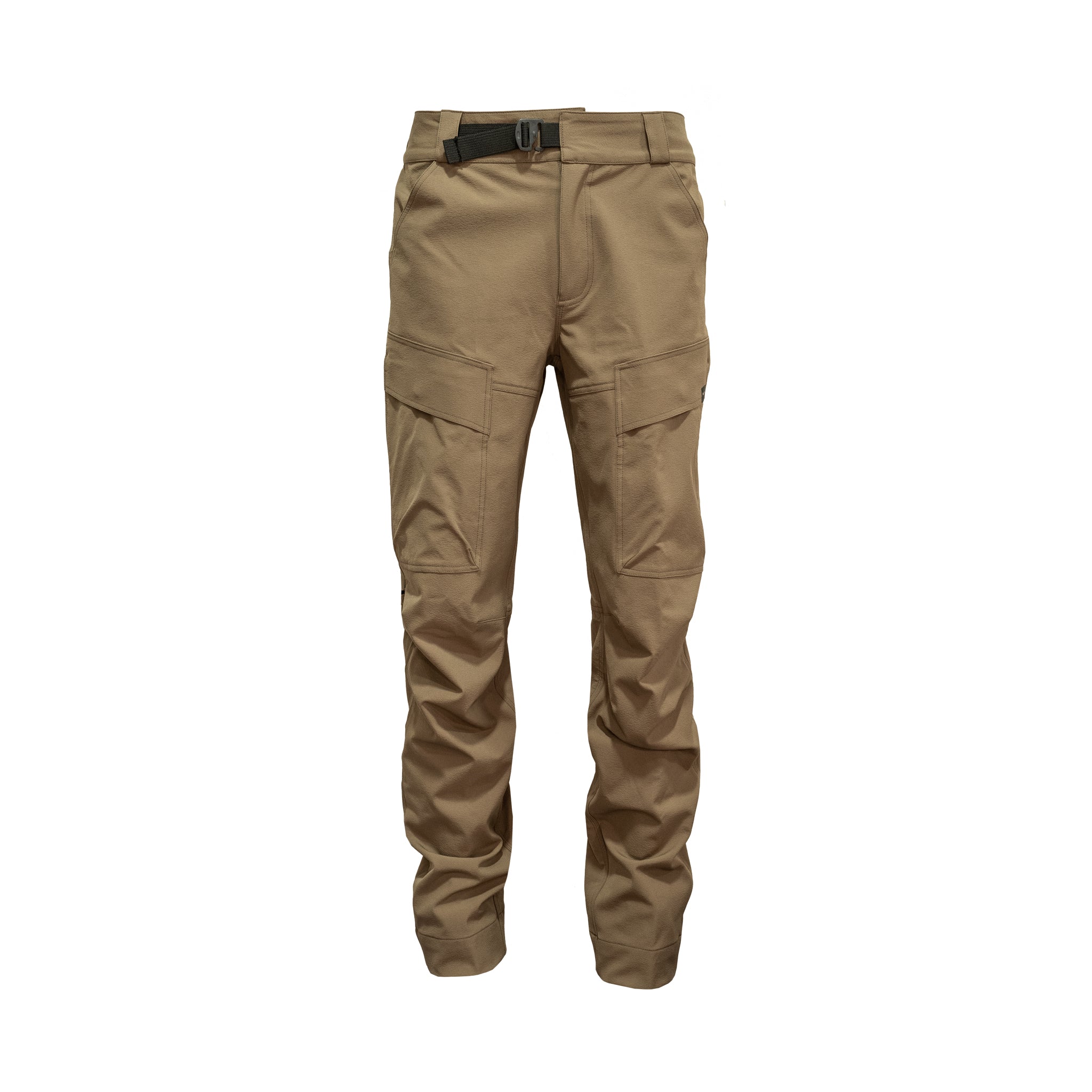
- Rugged pants for rough field edges. The All Terrain Field Pant pairs breathable venting with reinforced, 4-way-stretch fabric that holds up against thistle, wire grass, and fence lines.
- A dedicated GPS pouch for your dog's collar unit. Wide-open farm country makes it easy to lose visual contact with a working dog, and a purpose-built Alpha Handheld Pouch keeps a tracking unit secure and within reach.
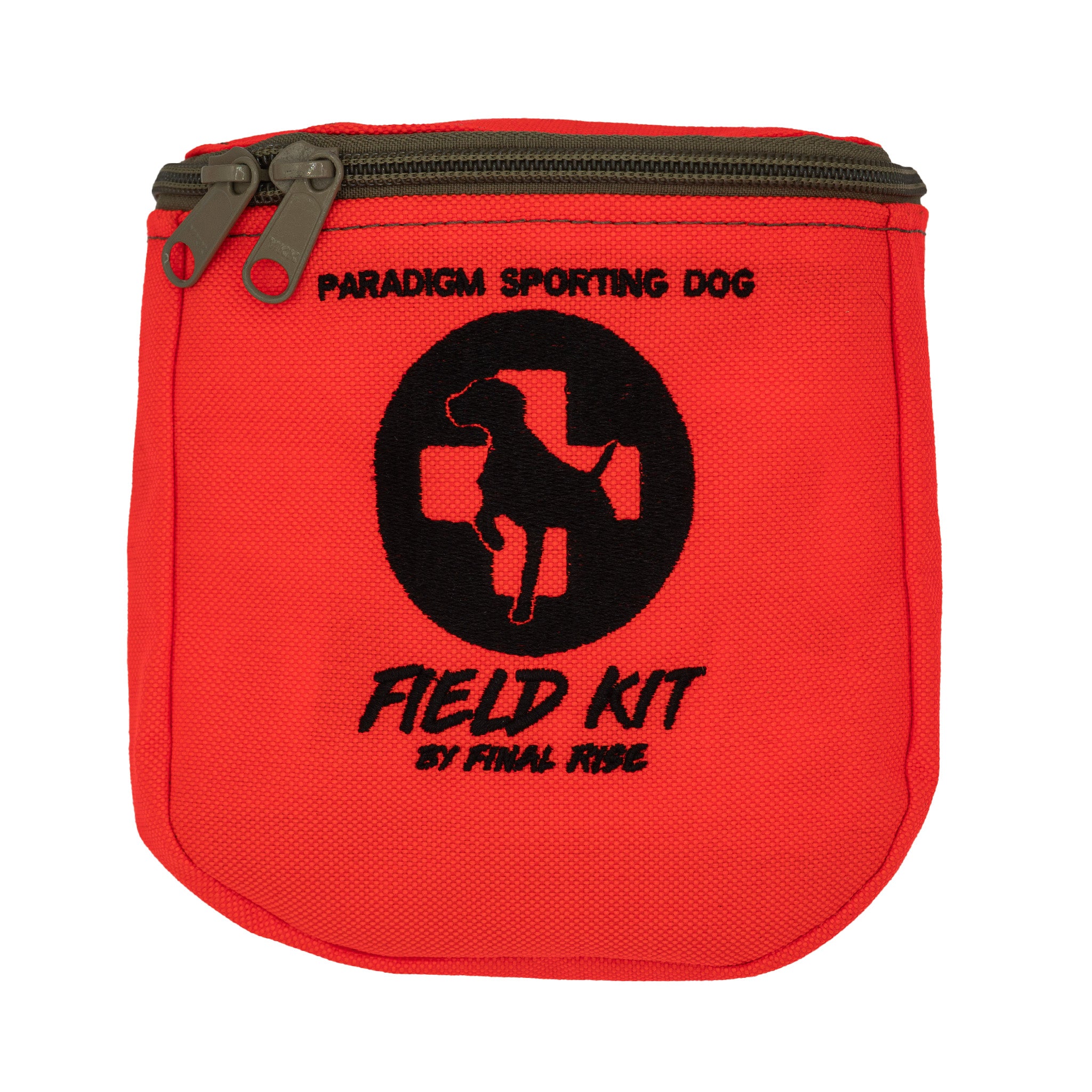
- A first aid kit for the long haul. Barbed wire, thistle, and rough farm ground are real hazards over a full day afield, and a dedicated First Aid Field Kit means you're prepared rather than improvising.
- Extra hydration for open, shadeless country. Additional Water Bottles are cheap insurance on warm early-season days when there's no shade between fields and both you and your dog are burning through water faster than expected.
If Huns are part of a bigger prairie trip, our sharptailed grouse hunting gear checklist covers the rest of what a full day in that same country demands.
Frequently Asked Questions
Are Hungarian partridge native to North America? No. They were imported from Hungary and Czechoslovakia in the late 1800s and early 1900s, with the largest wave of releases happening in 1908 and 1909. Populations that took hold on the northern prairie and in Pacific Northwest wheat country remain naturalized and self-sustaining today.
Where is the best Hungarian partridge hunting? Montana, North Dakota, South Dakota, Minnesota, and the dryland grain country of eastern Washington, Oregon, and Idaho hold the strongest populations, with smaller huntable numbers in Nebraska, Wyoming, and southern Canada.
Do I need a special permit to hunt Huns? No. Hungarian partridge are almost always sold over the counter as part of a general upland game bird license in the same states where pheasant and sharptail hunting occurs, with no separate application or draw required.
Why are Huns considered such a hard bird to hit? Their entire covey typically flushes at once, low and fast, often with the wind at their backs, giving hunters very little time to pick a target and mount before the birds are well out of range.