

Ring-Necked Pheasant Species Profile
A rooster cackling out of a cattail slough on a frozen November morning is about as American as upland hunting gets, which is funny, because the ring-necked pheasant is an immigrant. Brought over from Asia in the 1880s, it found a perfect home in the grain belt and became the most popular upland game bird in the country. This species profile covers what makes a pheasant tick: how to identify roosters and hens, where they live, what pheasants eat and drink, how they nest and raise broods, when seasons typically run, what the meat is like on the table, and how the bird's history and conservation story shaped modern upland hunting.
Ring-Necked Pheasant at a Glance
| Attribute | Details |
|---|---|
| Scientific name | Phasianus colchicus |
| Native range | Central and East Asia (introduced to the U.S.) |
| Size | Roosters 30–36 in. long including tail; hens 20–25 in. |
| Weight | Roosters 2.5–3 lb; hens about 2 lb |
| Lifespan in the wild | Usually under 2 years; few birds survive past 3 |
| Primary U.S. range | Northern Great Plains, Corn Belt, Great Basin farm valleys, Pacific Northwest |
| Typical season | Mid-October to January |
| Meat | White, mild, lean |
| Conservation status | Not federally listed; abundance tied to farm policy and grassland acres |
Pheasant Identification and Primary Attributes
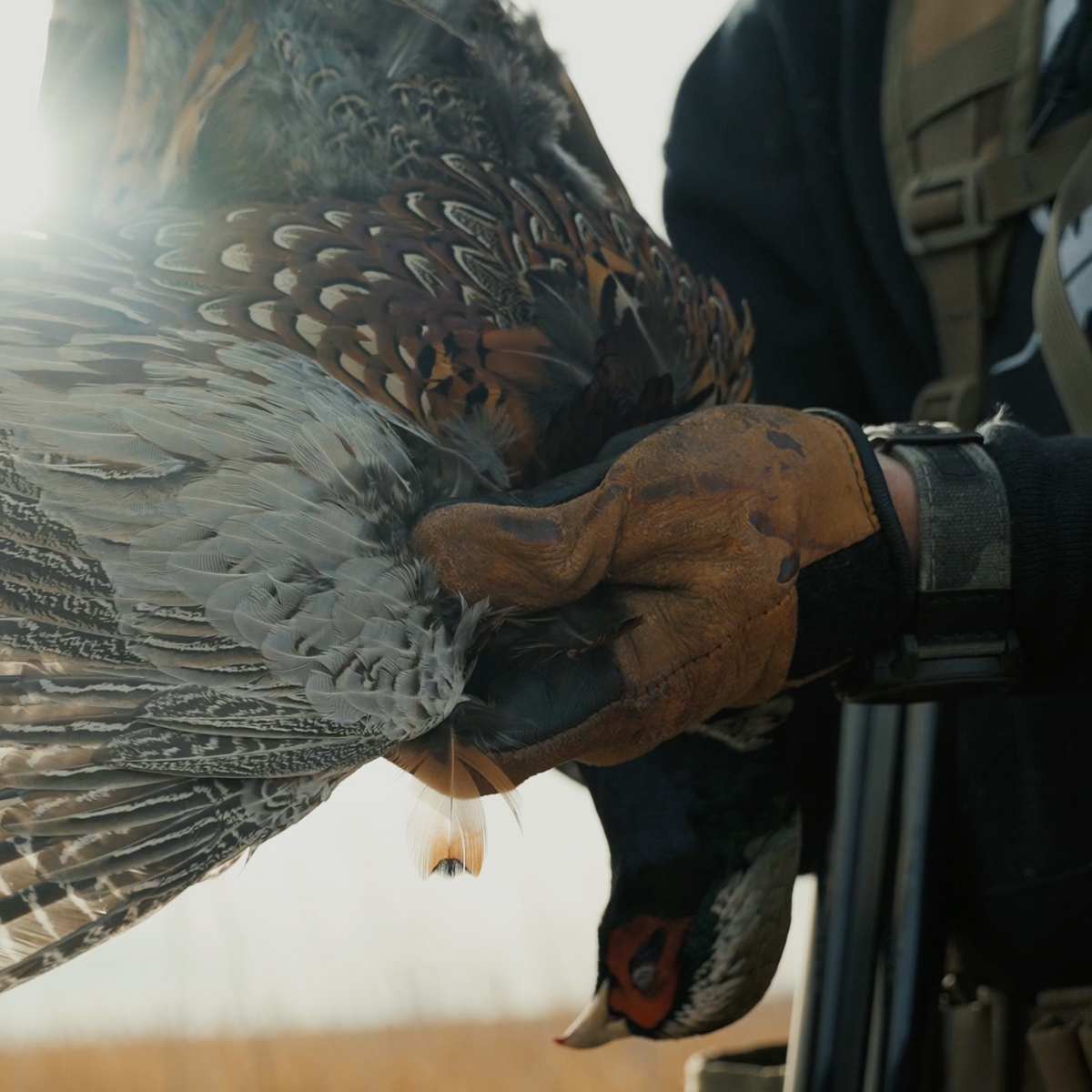
The rooster is impossible to mistake: an iridescent copper-and-bronze body, a green-to-purple head, bright red facial wattles, short ear tufts, and the white neck ring that gives the bird its name. The long, barred tail can make up more than half his total length. Hens are a mottled buff-and-brown with a shorter pointed tail, built to disappear on a nest in tall grass. In the field, the easiest tell is the flush: roosters almost always announce themselves with a raucous cackle, while hens tend to rise silently.
Pheasants are strong runners first and fliers second. A wise late-season rooster will sprint ahead of a dog for hundreds of yards before flushing, and that running habit is the single biggest reason pheasant hunting rewards blockers, tight-working dogs, and hunters who push cover toward a natural edge. When they do fly, pheasants are explosive for the first 30 to 50 yards, can hit 35–40 mph in level flight, and usually set their wings and glide into the next patch of cover.
Pheasants are also polygynous. A dominant rooster gathers a small harem of hens in spring and defends a crowing territory, which is why bag limits are almost universally roosters-only. Taking males has little effect on the next year's production as long as hens are protected.
Pheasant Habitat: Where Pheasants Live
Ring-necked pheasants are farmland birds. They thrive where row crops, small grains, and grassland are woven together, and they struggle in both unbroken prairie and intensively farmed fence-row-to-fence-row country. The core needs are:
- Nesting cover. Undisturbed grass 10–20 inches tall in spring: CRP fields, hayland that isn't cut too early, road ditches, and native grass.
- Brood-rearing cover. Weedy, forb-rich ground with bare soil underneath, where chicks can move easily and catch insects.
- Food. Waste corn, milo, wheat, sunflowers, and soybeans from harvested fields within easy reach.
- Winter thermal cover. Cattail sloughs, dense shelterbelts, and tall, stiff-stemmed grasses that stand up under snow. Severe blizzards are among the biggest killers of pheasants, so heavy winter cover is often the limiting habitat in northern states.
The highest densities in North America sit in South Dakota, followed by North Dakota, Kansas, Iowa, Nebraska, Montana, and Minnesota, with good pockets in the irrigated valleys of Idaho, Washington, Oregon, and Utah. Pheasants also do well in parts of California's Central Valley and southern Canada.
What Do Pheasants Eat? Diet and Water Needs
Adult pheasants are opportunistic omnivores with a grain-heavy diet. Through fall and winter, waste corn is the staple across most of the range, supplemented by sorghum, wheat, soybeans, sunflower seeds, and weed seeds like ragweed, foxtail, and smartweed. In spring and summer, adults add green shoots, leaves, buds, and plenty of insects.
Chicks are a different story. For their first few weeks, young pheasants depend almost entirely on insects (grasshoppers, beetles, caterpillars, and leafhoppers) for the protein they need to grow feathers and muscle. That is why forb-rich brood habitat matters so much; a field of solid grass or bare cropland simply doesn't produce enough bugs.
Pheasants rarely need open water. They get most of their moisture from dew, succulent plants, insects, and in winter, snow. Wetland edges still matter because the cattails surrounding them provide the thermal cover that carries birds through the coldest stretches.
Pheasant Breeding, Nesting, and Brood Rearing
Roosters begin crowing and establishing territories in March and April, and hens typically begin nesting in late April or May. A hen scrapes a shallow bowl on the ground, lines it with grass, and lays a clutch of roughly 10–12 olive-brown eggs, sometimes more. Incubation takes about 23 days, and the hen does it alone.
Pheasant chicks are precocial: they hatch fully feathered in down, leave the nest within hours, and feed themselves under the hen's supervision. They can make short flights at around two weeks old and look like miniature adults by 10–12 weeks. Hens that lose a nest to predators, flooding, or hay mowing will renest, sometimes two or three times, which is why June hatches are common even in good years.
Spring weather and nesting cover drive pheasant populations more than anything else. Cold, wet weather in June chills chicks, and early haying destroys nests and hens alike.
Pheasant Hunting Season Dates
Pheasant seasons across most of the Midwest and Great Plains open between mid-October and mid-November and close sometime in January. As a general pattern:
- Northern plains openers (the Dakotas, Montana, Minnesota) tend to fall in October. South Dakota's statewide opener is traditionally the third Saturday of October.
- Central and southern plains openers (Kansas, parts of Nebraska, Colorado) run later. Kansas typically opens on the second Saturday in November and runs through January 31.
- Western states (Idaho, Washington, Oregon, Utah) usually open in October or early November, often with separate youth and upland-preserve seasons.
- Bag limits are almost universally roosters-only, generally 2–4 per day depending on the state.
Many states also hold youth-only weekends ahead of the regular opener, and preserve seasons often run well into spring. Dates, zones, and limits change every year, so always check your state wildlife agency's current regulations. For a deeper look at how hunting changes from opener to late season, see our complete pheasant hunting guide.

Pheasant Meat Profile: How Pheasant Tastes and How to Cook It
Wild pheasant is white meat, lean, and mild, with a little more depth and firmness than chicken. The breast is tender if handled well; the legs carry more sinew from all that running, and they reward slow cooking.
A few kitchen principles go a long way:
- Don't overcook the breast. With almost no fat, pheasant goes from juicy to dry quickly. Pull it around 155–160°F and let it rest.
- Brine or wrap whole birds. A simple saltwater brine or a bacon wrap helps protect a roasting bird. Plucking (rather than skinning) keeps far more moisture in.
- Braise the legs and thighs. Low-and-slow preparations, such as a cream-and-mushroom braise, pheasant pot pie, or confit, turn tough legs into the best part of the bird.
- Consider aging. Many hunters hang or refrigerate birds for a few days to improve tenderness and flavor. We break down the how and why in Should You Hang Pheasants?
Fried pheasant strips, pheasant and wild rice soup, and pan-roasted breast with a cider pan sauce are all classics. If last year's birds are still in the freezer, our Coconut Fried Pheasant recipe is an easy crowd-pleaser.
Pheasant Hunting History and Conservation Status
The first successful pheasant introduction in the United States came in 1881, when U.S. consul Owen Denny shipped birds from Shanghai to Oregon's Willamette Valley. They multiplied quickly, Oregon held what is widely considered the first open pheasant season in 1892, and state agencies across the country followed with stocking programs of their own. By the 1940s, pheasants had exploded across the northern plains, and South Dakota made the ring-necked pheasant its official state bird in 1943.
Since then, the bird's fortunes have tracked farm policy almost perfectly. The Soil Bank program of the 1950s and 1960s produced boom years; its end triggered declines. The Conservation Reserve Program (CRP), created by the 1985 Farm Bill, put millions of acres back into grass and fueled another strong run of pheasant numbers through the 1990s and 2000s. As CRP enrollment has fluctuated, pheasant counts have risen and fallen with it, alongside drought, hard winters, and spring nesting weather. Pheasants Forever, founded in Minnesota in 1982, has become one of the largest habitat organizations in the country largely on the strength of this bird.
The ring-necked pheasant is not federally protected and is not considered at risk as a species. Its local abundance, however, depends almost entirely on how much quality grassland and winter cover remains on private agricultural land, which makes habitat programs the single biggest factor in the future of pheasant hunting.
Gear for Pheasant Country
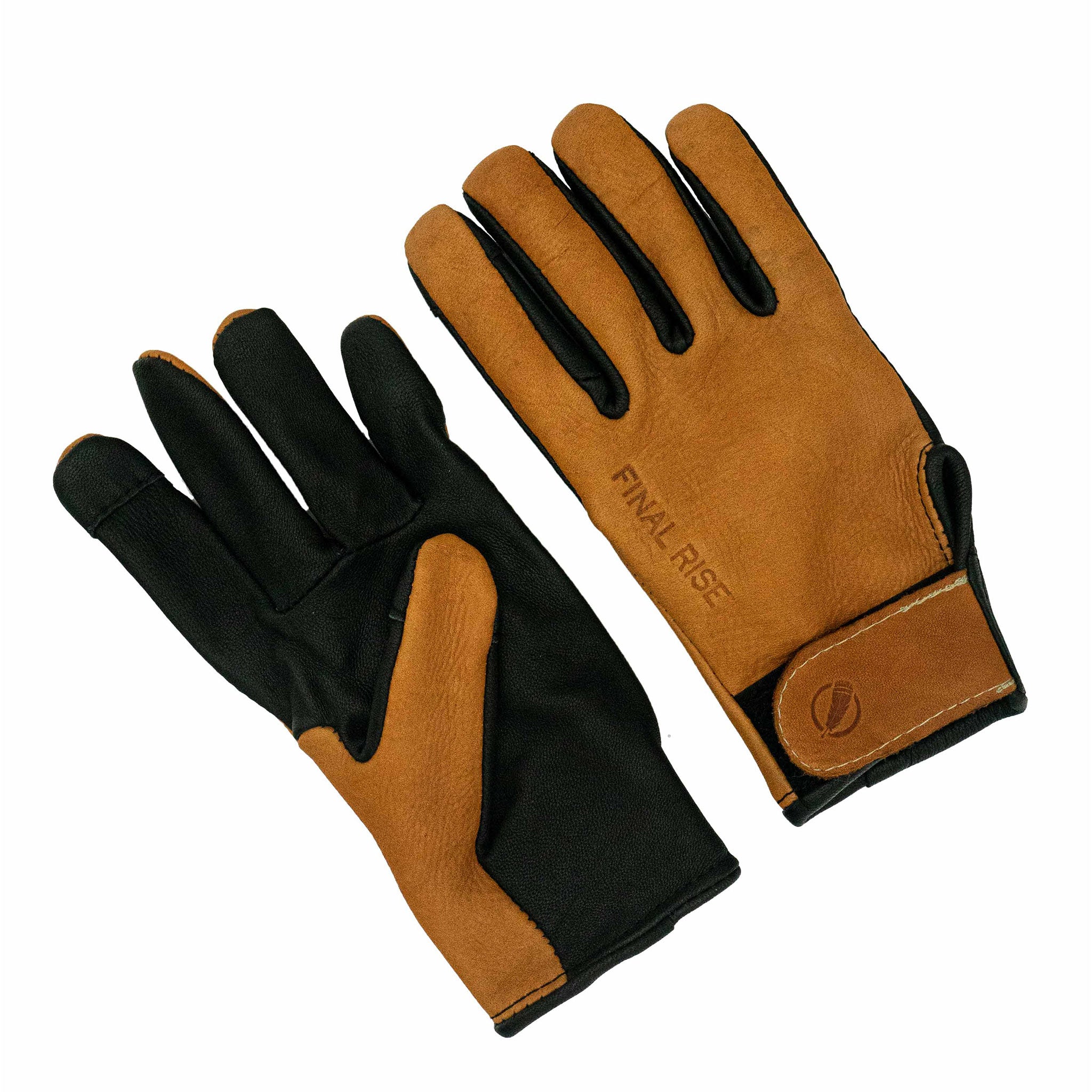
Pheasant hunting often means carrying a full limit of 3-pound roosters, keeping multiple dogs watered on a warm opener, and walking cattails and CRP all day. That's why the Summit XT Vest System is our go-to pheasant vest: it carries birds and water without riding on your shoulders, and the game bag converts into an emergency dog carrier if a dog goes down in the field. Hunters who want to shave weight can step to the Summit Vest System, and new hunters or youth looking for an affordable start will find the Heritage Upland Vest checks the essential boxes. For cattails and cold late-season mornings, add a pair of Field Gloves, and keep a First Aid Field Kit on hand for barbed-wire cuts on dogs. We explain the full reasoning in What Is the Best Pheasant Hunting Vest? and cover everything else in our pheasant hunting gear checklist.
Frequently Asked Questions
Are pheasants native to the United States? No. Ring-necked pheasants are native to Asia and were successfully established in Oregon in 1881, then spread across the country through state stocking programs. Today wild, self-sustaining populations exist in more than 40 states.
How long do wild pheasants live? Most wild pheasants live less than two years. Predators, winter weather, and hunting (for roosters) mean that very few birds survive past their third year, even though pheasants can live considerably longer in captivity.
Why can you only shoot rooster pheasants? Because a single rooster breeds with multiple hens, the number of hens surviving the winter is what determines next year's production. Roosters-only seasons let hunters harvest surplus males with almost no impact on the breeding population.
What is the best time of day to find pheasants? Early morning and the last hour or two of daylight are typically the most productive, when birds move between roosting cover and feeding fields. Midday hunting can still be good in heavy cover such as cattails, shelterbelts, and thick CRP, where birds loaf between feedings.