

Pheasant Hunting Gear: Complete Checklist
Every fall, hunters show up to the CRP fields and shelterbelts carrying either too much gear or the wrong gear. This is the no-bullshit pheasant hunting gear checklist: what you actually need, why you need it, and which pieces are worth spending real money on. No filler, no "maybe pack this just in case." Just the gear that earns a spot in your truck.

Firearms & Ammo
The shotgun debate is older than pheasant hunting itself, and the honest answer is that action type matters less than trigger time. Here's how the three main options stack up.
Break action (side-by-side or over/under) Break actions are simple, which is exactly why they've stuck around for over a century. Fewer moving parts means fewer malfunctions, and the open-breech design makes them the safest option to hand off, load, and unload around a group of hunters and dogs. They swing well, point naturally, and let you carry two different choke constrictions ready to go with the flip of a barrel selector.
- Pros: extremely reliable, safe to carry broken open, minimal cleaning, classic upland feel and balance
- Cons: only two shots before reloading, slower follow-up shots, generally the most expensive option for a quality gun
Semi-automatic A semi-auto cycles itself using recoil or gas, which softens the felt kick and gets you back on target faster for a following shot on a bird that flared. Capacity is also higher. Most hold 4-5 shells depending on plug configuration and local regulations.
- Pros: reduced felt recoil, fast follow-up shots, higher capacity, great for late-season roosters that flush wild and need a second or third shot
- Cons: more moving parts to foul with dust, feathers, and cold-weather grime; needs more frequent cleaning and lubrication to run reliably
Pump action The pump gun is the workhorse of American upland hunting for a reason: it's affordable, it's reliable in ugly conditions, and a stuck shell or dud round is cleared with a rack instead of a trip back to the truck. It's also mechanically simple enough to run in freezing temps and dusty CRP fields without a hiccup.
- Pros: durable, affordable, easy to maintain, versatile for both upland and waterfowl duty
- Cons: manual cycling can lead to "short-stroking" under adrenaline (failing to fully rack the action), and felt recoil is generally sharper than a semi-auto
At the end of the day, the best shotgun for pheasant hunting is the one you shoot best. A hunter who's put thousands of rounds through a pump gun will out-shoot someone fumbling with an unfamiliar semi-auto every time. Pick your action type, then go pattern it and put in the reps.

Shot size and metal type
Picking the right shot size and metal matters just as much as the gun throwing it. Pheasants are tough, heavily feathered birds, and under-gunning them is how you end up with cripples instead of clean kills. The short version: bigger birds and longer flushes call for larger shot and tighter chokes as the season goes on.
- Lead (where legal): size 6 early season with an Improved Cylinder or Modified choke inside 25-35 yards; move up to size 4-5 with a Modified or Full choke for wary late-season birds flushing at 35-45 yards
- Steel (required on most public WMAs and refuges): size 4 is the workhorse load here and it's adequate for the entire season, from early-season flushes to wary late-season birds, without needing to size up as the year goes on
Bismuth and tungsten (TSS) will pattern a little denser and squeeze out some extra range, but they're an expensive, largely unnecessary option for most pheasant hunters. Save the money unless you've got a specific reason to need it.
Check out our Upland Bird Shot Size Chart: Where Do I Start? blog for the full breakdown on matching shot size, choke, and effective range to the situation.
Upland Bird Vest
A pheasant hunting vest has one job: carry everything you need for a full day afield without turning into a sweaty, chafing mess by 10 a.m. When you're shopping for a vest, look for a structured game bag that won't smear blood and mud all over your back, a low-profile waist belt that transfers weight off your shoulders, shell storage you can access with gloves on, and MOLLE or PALS webbing so you can add pouches for a GPS, first aid kit, or water bladder as your kit grows. Weight matters too. A vest that feels fine in the parking lot can feel like a sandbag after six miles of CRP.
The Summit XT is built for hunters who cover serious ground and need their gear system to keep up. At 3.2 lbs it's one of the lightest full-sized upland vests on the market, but it doesn't skimp on capacity: full 1000D Cordura construction, a structured game bag with a G-Hook system for easy loading and cleanup, magnetic shell pouches, and PALS webbing throughout for modular add-ons. Where the Summit XT really separates itself is water capacity: it ships with two 32 oz bottle holders and is compatible with a hydration bladder (vertical or lumbar), so you can keep your dog watered through a long, hot opener without carrying a separate jug. In an emergency, the game bag even converts into a dog carrier: open it, place your dog's torso between the panels, and move.
If you want all-day comfort with the least amount of weight possible, the Legacy is the answer. At 2.25 lbs it strips things down to the essentials: 500D/1000D Cordura construction, an exclusive lumbar support system, non-padded shoulder straps for an unobstructed gun mount, and a structured game bag with the same G-Hook system. It skips the hydration bladder compatibility and bottle holders of the Summit XT in favor of streamlined bottle sleeves (that still carry 32 oz water bottles each), which is the trade-off for uplanders who prioritize minimal weight over max carrying capacity on fast-moving hunts.

Clothing
Layering for pheasant season means managing two extremes: a warm morning walk-in and a cold, windy afternoon push through standing corn. Build your system in layers instead of relying on one heavy coat.
For an upper layer, our new Bamboo Sun Tech Hoodie is a solid option for early-season hunts or as a breathable base layer later in the year. Bamboo fabric moves moisture well and won't leave you soaked in sweat on a warm walk to the first field. Pair that with a heavier shell layer for the actual weather (wind, rain, or a hard frost) so you can shed or add layers as conditions change through the day instead of overheating or freezing.
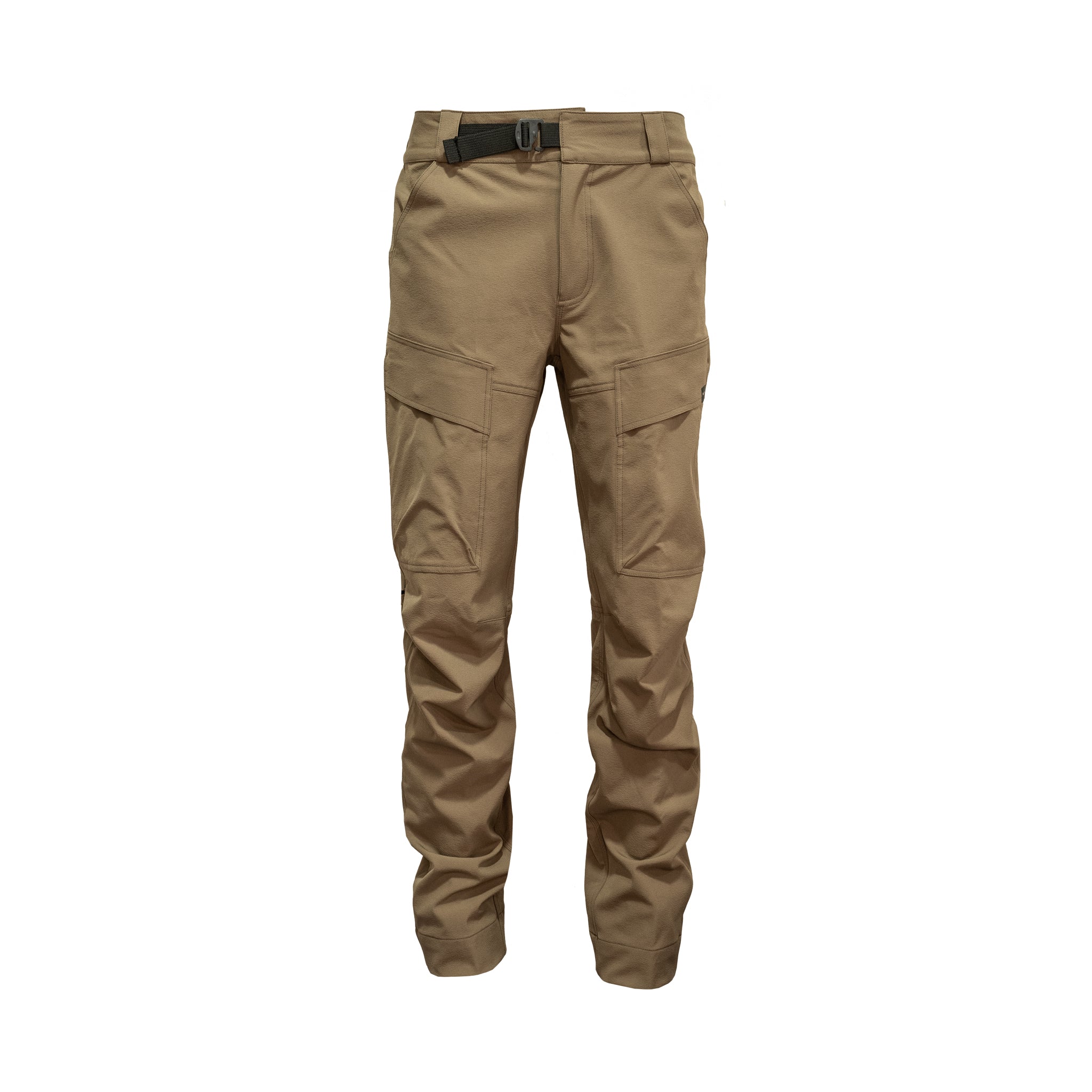
The ultimate open-country upland pant needs to do a few things well: stretch through the hips and knees for miles of walking, resist abrasion from grass and light brush, vent heat when you're pushing hard, and dry fast if you cross a wet ditch. Our All Terrain Field Pant checks every box: 4-way stretch nylon with articulated knees, YKK zippered side vents for temperature control, and a double-layered reinforcement from the thighs down for abrasion resistance in open CRP and grasslands. If you're hunting thicker, brambly cover with heavy brush and thorns, step up to my favorite dedicated brush pant like the First Lite Sawbuck: the reinforced front panels are built to take a beating that an open-country pant isn't designed for.

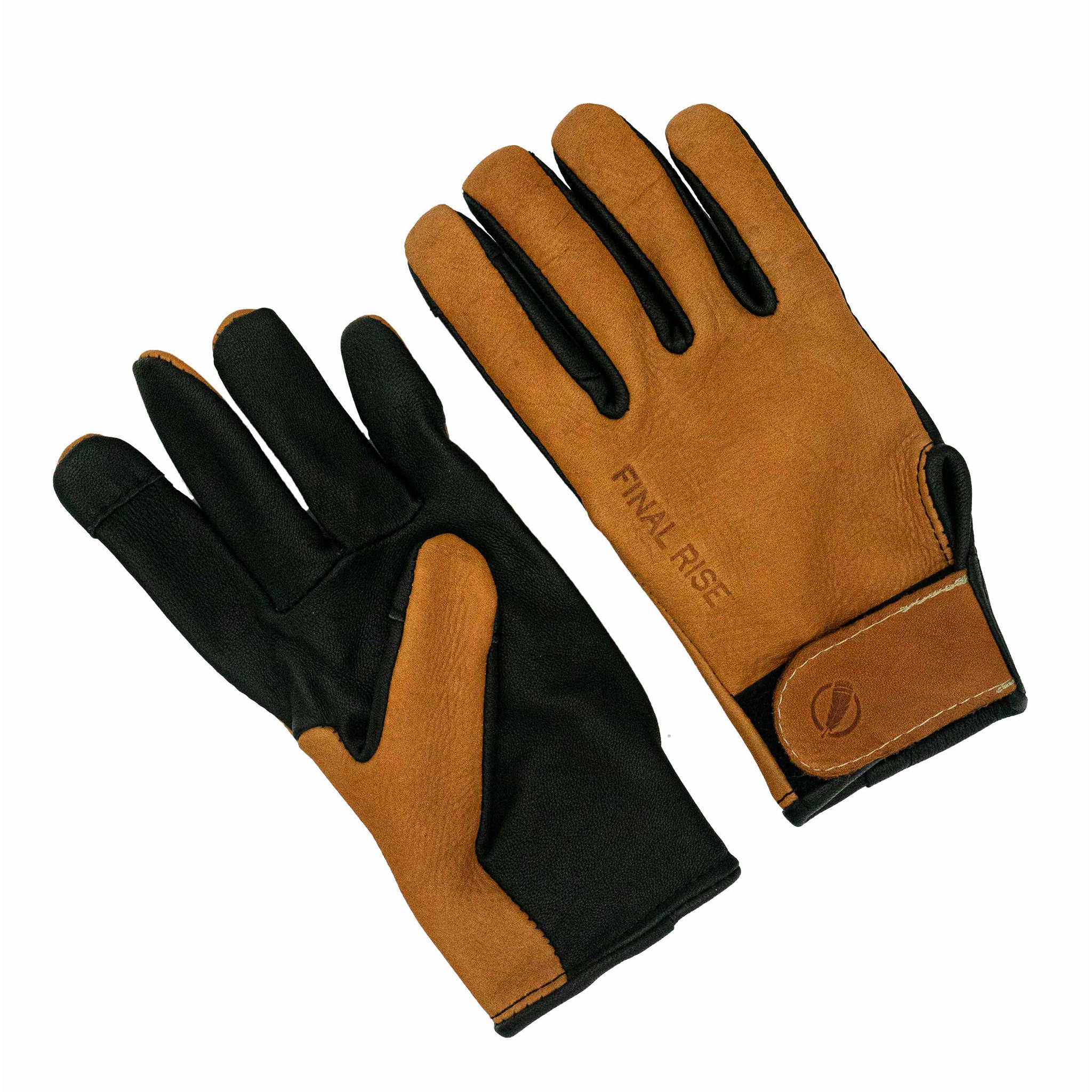
Round out the clothing list with a good pair of wool socks, which insulate wet or dry and won't leave you with blisters after a full day of walking. Top it off with a blaze orange hat, which isn't optional in most states and shouldn't be optional in your head either: check out our Stitched Performance Cap in blaze. Last but not least, protect your hands with a pair of Field Gloves built for wingshooters: touchscreen-compatible fingertips mean you're not stripping off gloves every time you need to check the GPS or your phone.
Boots
Pheasant hunting boots need to do a lot: hold up to miles of walking, handle mud, dew, and standing water, keep your ankles supported over uneven terrain, and stay warm without cooking your feet on a 60-degree opener. Look for an 8" or taller uninsulated-to-lightly-insulated leather or synthetic boot with a real ankle cuff and an aggressive outsole for grip in wet grass and loose dirt.
My personal favorite for every single hunt I go on is the Crispi Nevada. They strike the right balance of support, waterproofing, and break-in comfort that a lot of boots promise and don't deliver: full-grain leather, a Gore-Tex liner, and a stiff enough platform to keep your ankles solid when you're sidehilling a ditch bank chasing a running rooster. I particularly enjoy the wide toe box on them, but I'm confident that there's a specific Crispi boot for you.
If you're hunting early-season marshes and cattail sloughs that hold pheasants, add a pair of hip boots to the truck. Standing water and soft muck will soak a standard upland boot in minutes, and hip boots let you push through the wet stuff where roosters like to hide without turning the hunt into a wet-sock march back to the truck.
Odds & Ends
This is the stuff that doesn't make the highlight reel but saves a hunt when you need it.
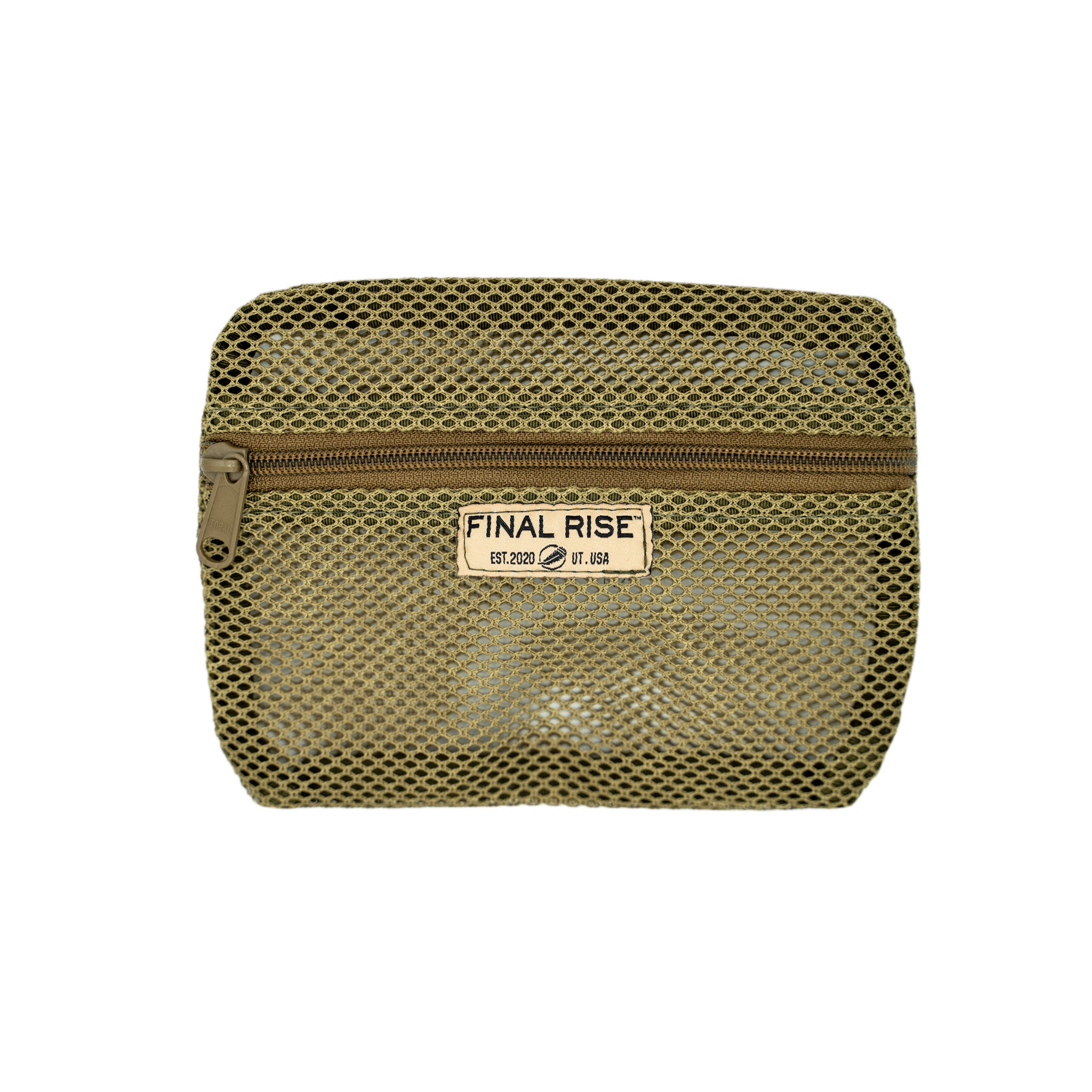
- GPS system: A Garmin handheld or dog-tracking GPS (Alpha or 550 series) is essential once you're hunting dogs in tall cover where a visual on your dog isn't always possible. Keep it protected and accessible with a 550 Pouch or Alpha Pouch, both of which mount straight to your vest's shoulder harness or webbing.
- Shooting glasses: If you're hunting thick cattail cover or heavy CRP, shooting glasses aren't just for the range: they protect your eyes from branches, cattail stalks and seeds.
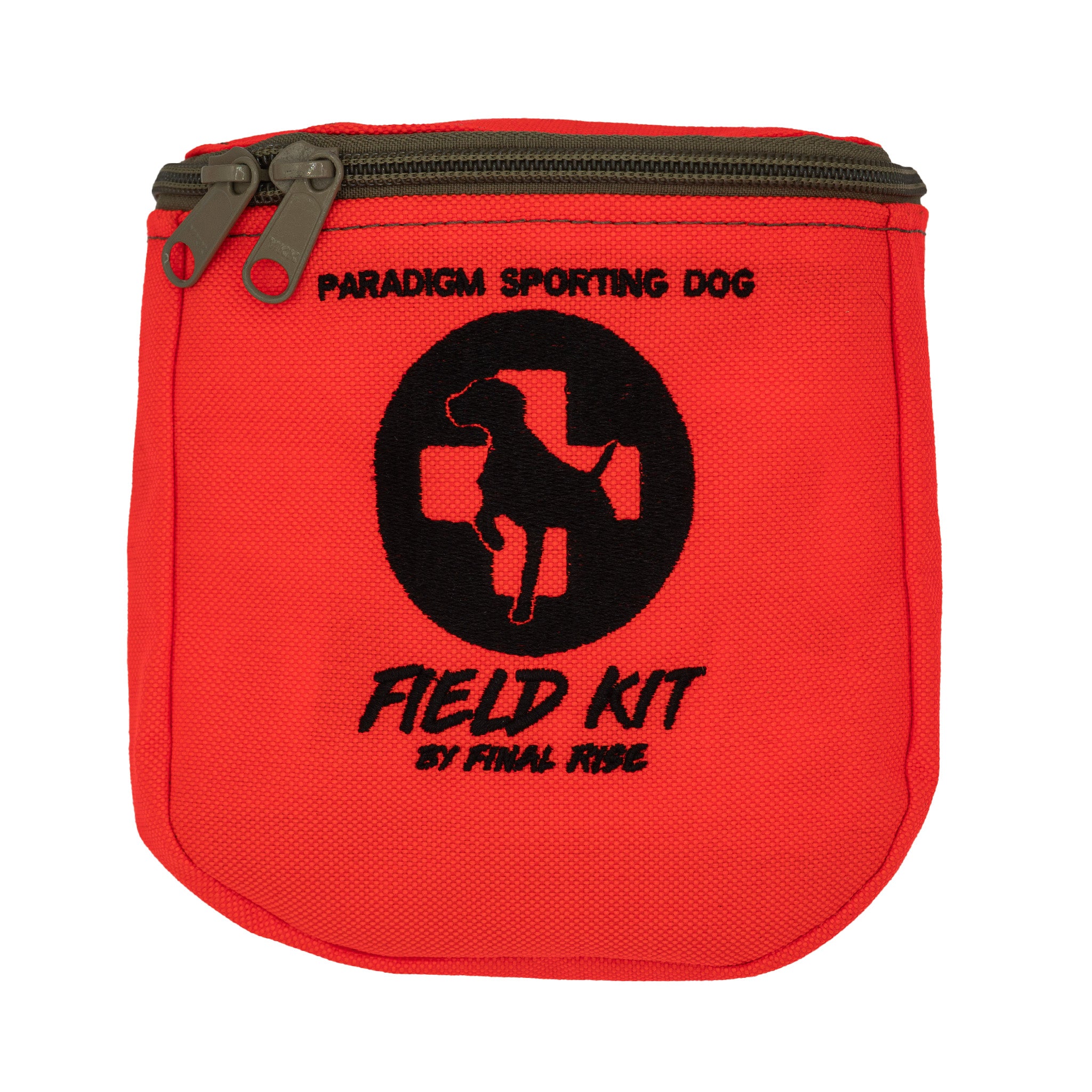
- First aid kit: Dogs get cut, punctured, and worn down in the field. Our First Aid Kit was developed with a DVM and wing-shooter to handle the injuries upland dogs actually sustain, in a MOLLE-compatible pouch that mounts right to your vest.
- Bird tote: For the money shot of your birds and your worn-out dog at tailgate, grab a Bird Tote. It clips to your vest or waders and doubles as extra carrying capacity when the game bag is full.
- Extra chokes: If birds are consistently flushing wild and far ahead of you, swap to a tighter choke. Carrying a spare set means you can adjust mid-hunt instead of losing shot opportunities all afternoon.
- Pocket knife: You need a good pocket knife to gut and clean birds at the end of the hunt, and how you handle that step affects meat quality more than most hunters realize. Read our guide on aging pheasants before you clean your next limit.
- Camp setup: A tent, cot, sleeping bag, and camp stove turn a pheasant trip into a real hunting trip. There's nothing better than kicking back on the prairie around a campfire with your hunting partners and a pack of worn-out bird dogs after a good day of shooting.

Get this list handled before opening day and you'll spend the season worrying about birds instead of gear.