

Should You Hang Pheasants? What Aging Does to Wild Bird Flavor
If you ask ten upland hunters whether they hang their birds and you'll get ten answers, all delivered with total confidence. Some hang roosters by the neck in an unheated garage until the body falls off. Others breast birds out in the truck bed and have them on ice in twenty minutes. Each camp thinks the other is doing it wrong.
The truth of it, as usual, it a bit more in the middle ground. Aging wild birds will improve flavor and texture, but if you don't do it correctly you'll probably be nervous enough to shy away from it in the future. Luckily, this should make it clear and easy for you.
What Aging Actually Does
Two things happen when a bird rests before you clean it.
The first is tenderizing. Muscle goes into rigor mortis within hours of death, so meat cooked during rigor is noticeably tough. As natural enzymes break down connective tissue over the following days, the muscle relaxes and the texture improves. This is the same process behind dry-aged beef, just on a much shorter clock because of the scale and meat type.
The second is flavor concentration. Moisture evaporates slowly from a hanging bird, and what's left behind tastes more like itself. A properly aged wild pheasant has a depth that a bird cleaned an hour after the flush simply doesn't have. People who say pheasant tastes just like chicken are missing out, because aged pheasant tastes a helluva lot better than chicken!
The Part Everyone Argues About
Here's where the traditional hanging crowd and food-safety guidance genuinely diverge, and it's worth being straight about it.
Traditional practice, or the European game larder approach, hangs birds whole, feathers on, guts in, at cellar temperatures for a week or more. Advocates argue the feathers protect the skin from drying and the intact bird ages more evenly. Some experienced game cooks report the best results in the 45–50°F range and find birds aged near freezing come out tender but flat.
Food-safety guidance from extension services points the other direction: remove entrails as soon as possible, cool the bird fast, and hold it at 40°F or below. Above 40°F is where bacteria multiply quickly, and a gut-shot bird left ungutted is a big risk.
Both are defensible. The traditional method has centuries of practice behind it. The safety guidance is written to be conservative across every hunter and every condition, including the ones that go wrong.
A Middle Path That Works
If you want the flavor benefit without much risk, age in a cooler or a dedicated refrigerator at 34–40°F, with the birds hung or laid out so air circulates around them rather than stacked. You'll get most of the tenderizing and a real share of the flavor development, and you stay inside the range where bacterial growth is slow.
Rough timelines at that temperature:
- Quail, dove, woodcock - 2 to 3 days
- Ruffed grouse, chukar, partridge - 4 to 6 days
- Pheasant - 5 to 7 days
Small birds have less mass and finish faster. A big late-season rooster benefits from the longer end.
Gut the bird first if it was hit in the vitals, if the weather was warm, or if you're at all uncertain. The crop should come out regardless — a crop packed with corn ferments quickly and taints the meat around it.
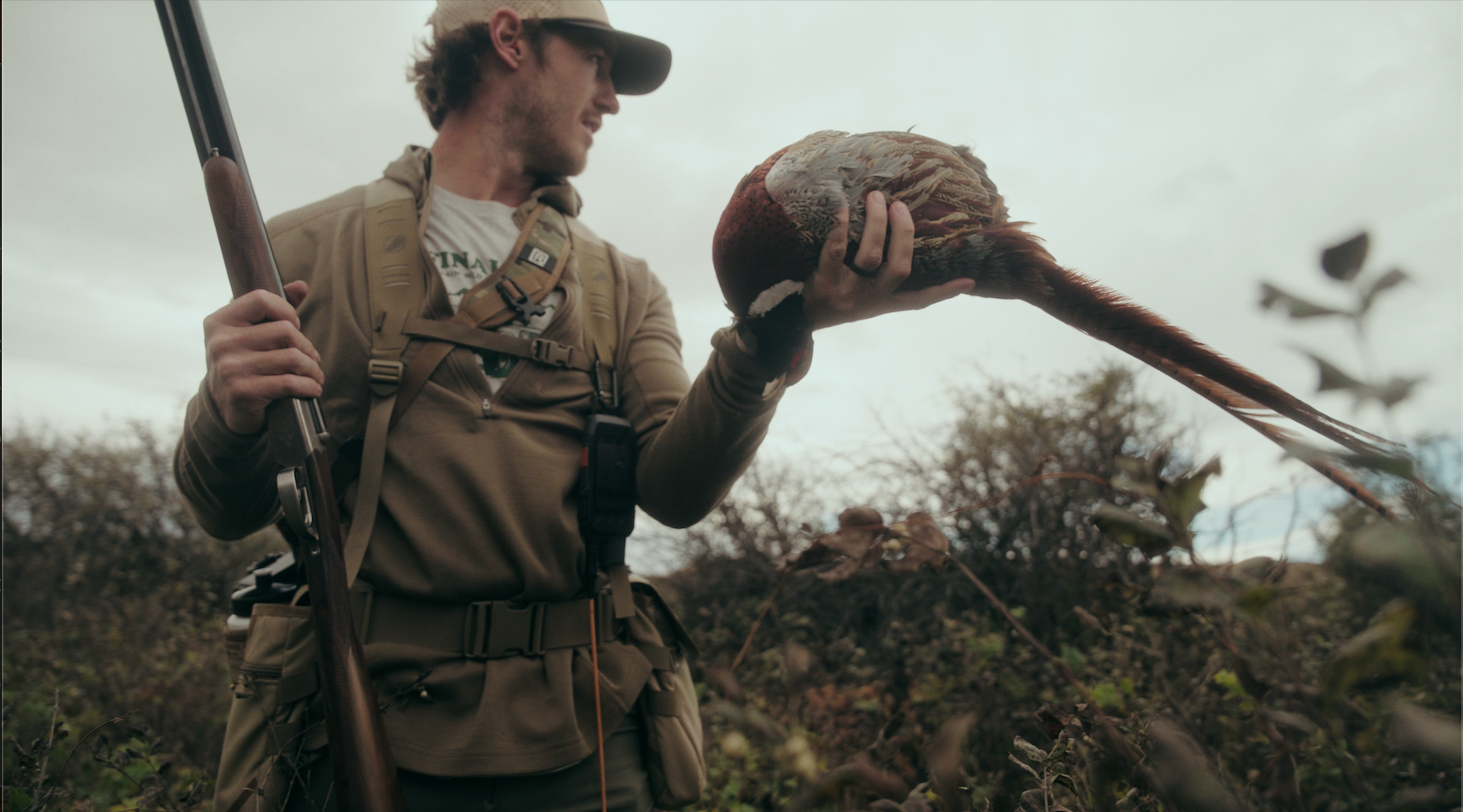
Personally? I skip the aging on gut shot or shot up birds. I'd rather breast it out right there and then, clean it up as best I can, then enjoy myself some simple Pheasant Nuggets. That being said, if I avoided any of that body damage with a well placed headshot, I'm going to take the time to age it. Depending on the time of year, I'll hang it in my processing shed or refrigerator. Here in Montana, I sometimes need the fridge just to prevent it from freezing. I prefer to pluck the bird right away if possible and then gut it. I've found that game birds have particularly stinky guts and like to get them out of the picture. I'll pluck as far up the neck as possible and hang by the neck for about 2 days.
I like to part out the bird into the breasts, legs, and carcass. The carcass is used for stock and Pheasant Noodle Soup on a sick day, the breasts are likely pounded flat and turned into a Fried Pheasant Sandwich, and the legs are destined to be slow cooked and seared off for some Shredded Leg Tacos.
When You Should Skip Aging Entirely
Some birds aren't candidates. Skip it if:
- The bird is badly shot up, with torn intestines or extensive tissue damage. Bacteria has too many entry points.
- It was carried warm in a closed vest or a car trunk for hours. Cooling comes first; you can't age your way out of a bad start.
- You can't reliably hold it under 40°F. Garage temperature swings are the most common way this goes wrong.
And regardless of method: if a bird develops a sour or off odor, or shows greenish discoloration, it's done. Throw it out. Aged is not the same as spoiled, and the difference is not subtle once you've smelled it. If you've attempted to age birds and have had this result, don't give up on it. It's worth changing your methods and giving it another shot.
Two Practical Notes
Cooling starts in the field. Birds piled warm in the back of a vest hold heat far longer than most hunters assume. Spread them out, let air move around them, and get them cool before you think about aging anything. Choosing a vest like the Summit XT to keep those birds in the air and actively cooling through your hunt.
Check your possession rules. Many states require birds to remain identifiable as to species and sex, often meaning a fully feathered wing or the head stays attached while in transport and storage. Aging also puts birds in your possession for days at a time, so know your state's possession limit, not just the daily bag. Rules vary, and they apply in your garage the same as in the field.
This does not just apply to Pheasants. Any gamebird can be aged with the proper temperature, time, and a bit of patience. Give this guide a shot and I can guarantee you'll have the crispiest pheasant skin around.
The Takeaway
Hanging isn't superstition and it isn't mandatory. It's a technique with a great payoff and one non-negotiable requirement: temperature control. Put a thermometer in your aging cooler, keep it under 40°F, start with birds that were cooled fast, and give that rooster a rest.
Then cook one that was aged next to one that wasn't. You won't need anyone to settle the argument for you!