
Mountain Quail Species Profile
Plenty of upland hunters have spent years in the western mountains without ever seeing a mountain quail. They hear them, a single, loud quark echoing out of a manzanita-choked canyon, but the birds themselves stay buried in the brush, running uphill and slipping away long before a hunter can close the distance. The mountain quail is the largest quail in North America and perhaps the most secretive. This species profile covers identification, habitat, diet and water needs, seasonal movements, breeding, where and when you can hunt them, what the meat is like, and their conservation status.
Mountain Quail at a Glance
| Attribute | Details |
|---|---|
| Scientific name | Oreortyx pictus |
| Common names | Mountain quail, plumed quail, painted quail |
| Size | About 10–11.5 in. long |
| Weight | About 7–10 oz, the largest quail in the U.S. |
| Lifespan in the wild | Usually 1–3 years |
| Primary U.S. range | California, Oregon, Washington, and western Nevada; remnant populations in Idaho and eastern Oregon/Washington |
| Typical season | September or October through January (where open) |
| Meat | Light to medium, mild, firm |
| Conservation status | Globally secure; declined sharply in the interior Northwest; closed to hunting in Idaho since 1984 |
Mountain Quail Identification and Primary Attributes
Mountain quail are larger and longer-legged than other U.S. quail. Both sexes have two long, straight, black head plumes that stand up or sweep back (unlike the forward-drooping plumes of California and Gambel's quail). The head, neck, and breast are blue-gray, the back is olive-brown, and the throat is a rich chestnut outlined with white. The flanks are chestnut with bold white vertical bars. Males and females look very similar, though females may have slightly shorter plumes.
Mountain quail are secretive. They often live in small coveys of 5–15 birds, prefer to run uphill rather than fly, and hold tight in dense brush. Their loud quark or plu-ark call, given by males in spring, can carry a long distance through canyons.
Mountain Quail Habitat: Where Mountain Quail Live
Mountain quail prefer steep, brushy, and wooded terrain:
- Chaparral and mountain shrub fields of manzanita, ceanothus, bitterbrush, and scrub oak.
- Open conifer and mixed forests with shrubby understories.
- Recently burned or logged areas where shrubs regrow.
- Riparian zones and draws with dense brush and nearby water.
Mountain quail are common in California's Sierra Nevada, Coast Ranges, and southern mountains, and in the Cascades and Coast Range of Oregon. Populations in the interior Northwest (eastern Oregon, eastern Washington, Idaho, and northern Nevada) are now small and scattered.
Unlike most quail, mountain quail make seasonal elevational movements on foot. In fall, many walk downslope, sometimes for miles, to avoid deep snow, then return upslope in spring to breed.
What Do Mountain Quail Eat? Diet and Water Needs
Mountain quail eat mostly plant material:
- Seeds of shrubs, forbs, and grasses.
- Acorns, pine nuts, and other nuts.
- Bulbs, roots, and tubers, which they dig with their feet.
- Berries and fruits, including manzanita and other shrubs.
- Green leaves, especially in spring.
- Insects, particularly important for chicks.
Water is an important part of mountain quail habitat. In dry summer months, they typically stay within a short distance of water and may make daily trips to springs, seeps, or creeks. Nests are often near water as well.
Mountain Quail Breeding, Nesting, and Brood Rearing
Mountain quail are monogamous and pair off in spring. Both sexes may incubate eggs, and in some cases a pair may lay two clutches, with each parent incubating one nest.
Nests are shallow scrapes on the ground, usually hidden under shrubs, logs, or rocks. Clutches typically contain about 9–10 eggs, sometimes more, and incubation lasts roughly 24–25 days. Both parents care for the young, and family groups make up most fall coveys.
Mountain Quail Hunting Season Dates and Where You Can Hunt
Mountain quail can be hunted in only a few states, mainly where populations remain strong:
- California: the general quail season typically runs from mid-October through late January, with an earlier, mountain-quail-only season in some northern and mountain zones that begins in September.
- Oregon: mountain quail are typically open in western Oregon from September through January 31. Many areas of eastern Oregon are closed.
- Washington: mountain quail hunting is generally limited to western Washington; it's closed in eastern Washington.
- Nevada: limited seasons with restrictive bag limits in some areas.
- Idaho: closed since 1984.
Bag limits are often low and may be in aggregate with other quail. Always check current regulations, as mountain quail seasons vary by zone.
Mountain Quail Meat Profile: How Mountain Quail Taste and How to Cook Them
Mountain quail are excellent eating. Their meat is light to medium in color, mild, and slightly firmer than bobwhite or California quail. Because they're larger, a mountain quail makes a more substantial meal than other quail.
- Roast whole. Pluck and roast at high heat for 15–20 minutes.
- Grill spatchcocked. Flatten birds and grill over medium-high heat.
- Braise legs. Larger legs can be braised with wine, herbs, and mushrooms.
- Pair with mountain flavors. Juniper, wild mushrooms, and berries complement the meat.
Mountain Quail Hunting History and Conservation Status
Mountain quail were a common game bird in California and Oregon for generations, and old-timers in Idaho remember hunting them alongside forest grouse in western Idaho's canyons. Idaho ended mountain quail hunting in 1984 as populations declined, and the state now lists them as a sensitive species. Idaho and Nevada have worked with partners to translocate mountain quail into suitable habitat, with some success.
Across their core range in California and western Oregon, mountain quail are considered secure, and they're listed as Least Concern globally. In the interior Northwest, however, their decline has been severe. Researchers point to a combination of overgrazing, loss of riparian shrubs, invasive annual grasses such as cheatgrass, dams that flooded canyon bottoms, agricultural development, and fire suppression. Conservation groups petitioned for federal protection of interior mountain quail populations in the early 2000s, but the species has not been listed under the Endangered Species Act.
Gear for Mountain Quail Country
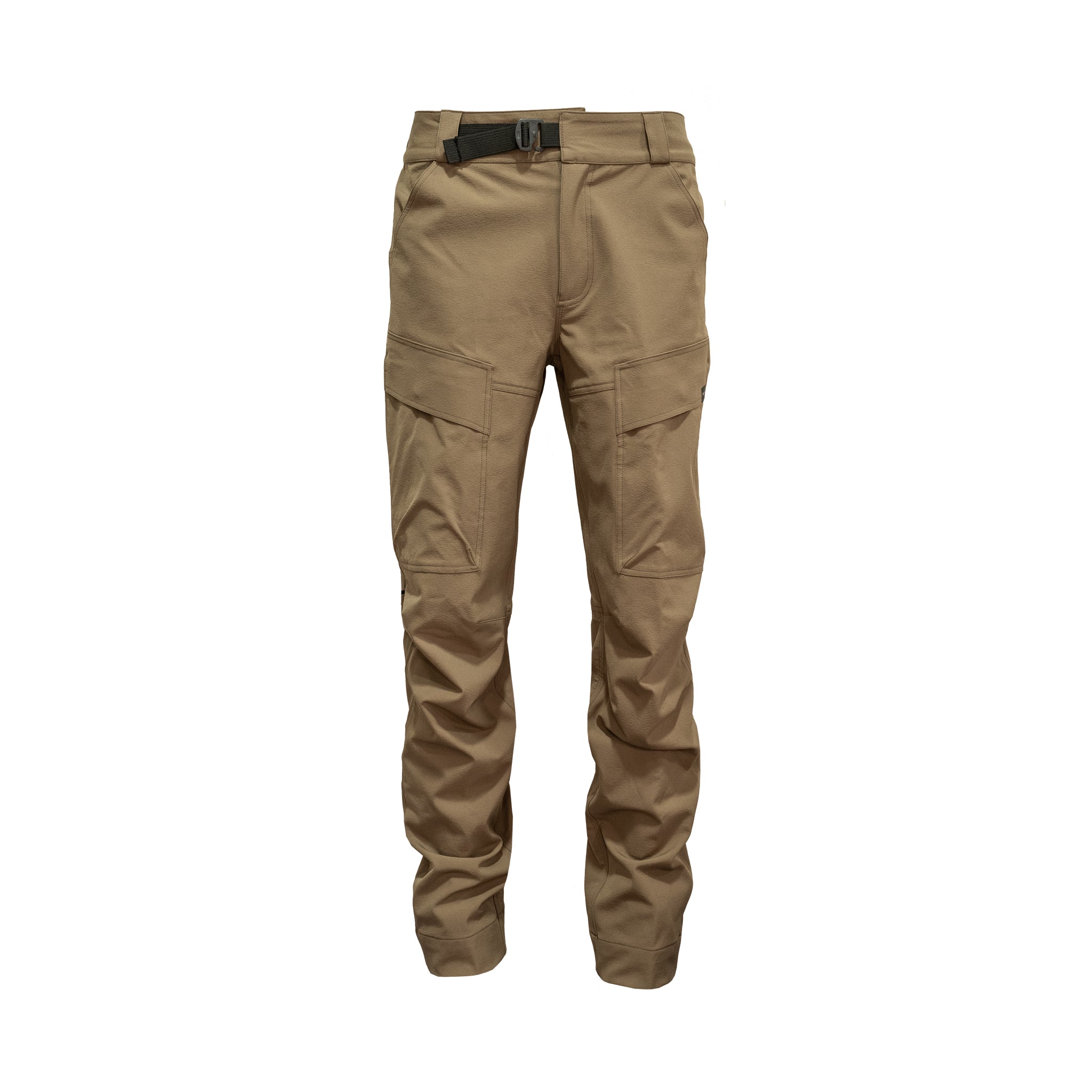
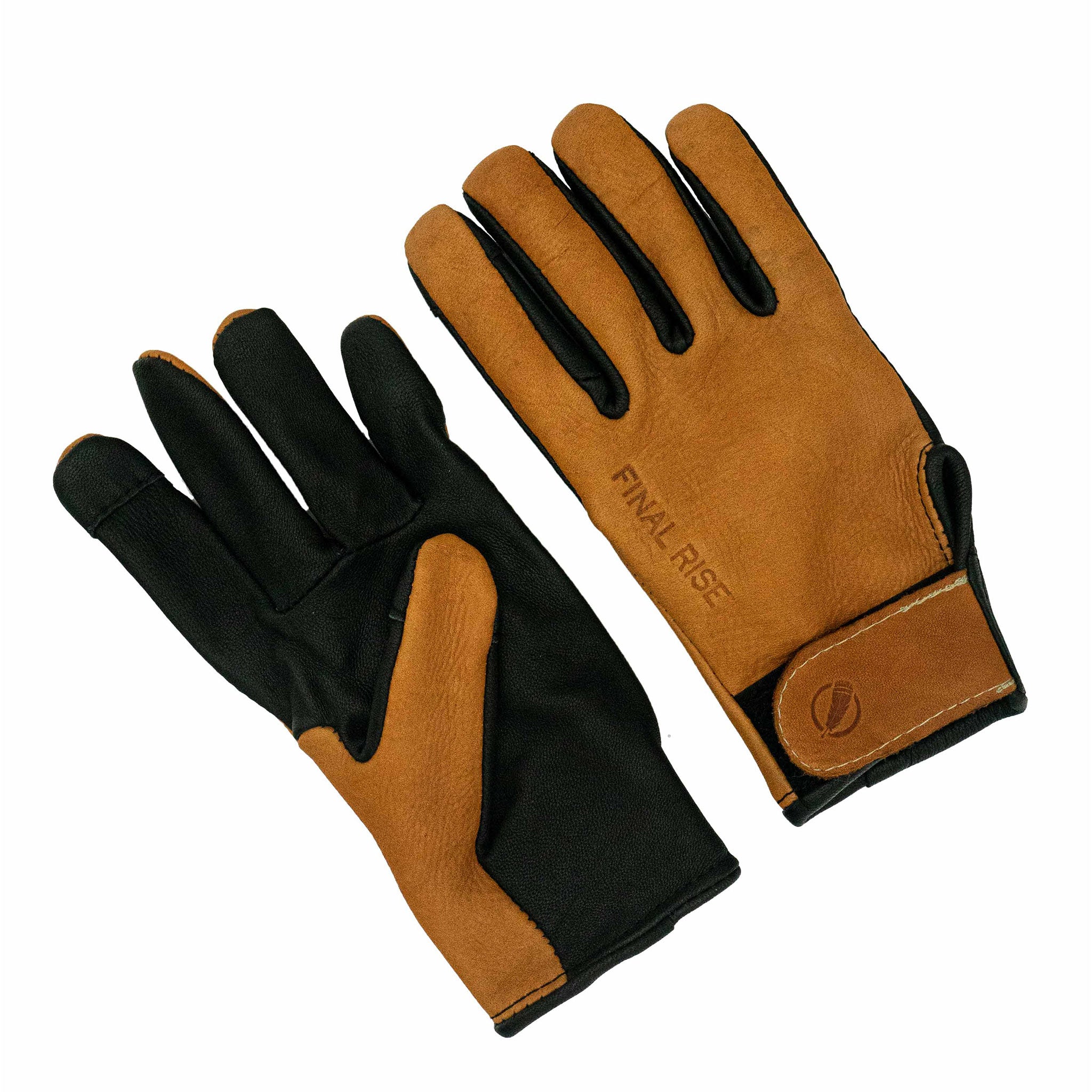
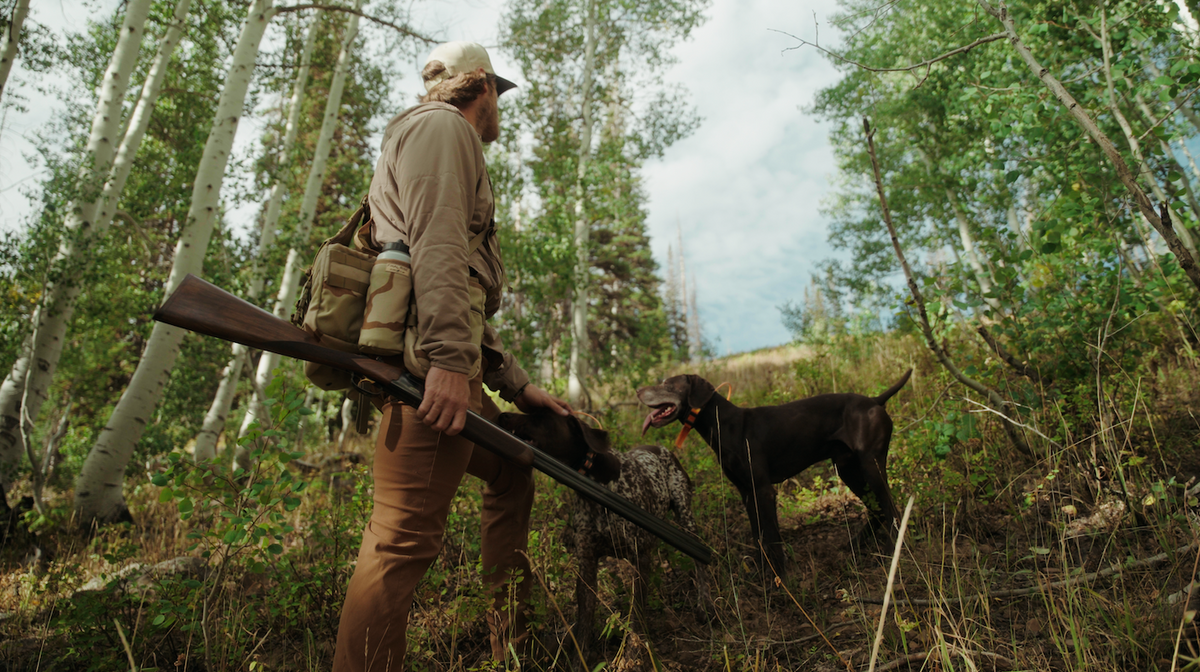
Mountain quail hunting means steep, brushy country and lots of climbing, often in warm early-season weather. The Summit Vest System carries the water you'll need for dogs on long climbs and includes emergency dog-carry capability, a feature worth understanding before you head into rough country; see How to Carry an Injured Dog Out of the Field. Manzanita and ceanothus are hard on clothing, so the All Terrain Field Pant and Field Gloves are worth having. Mountain quail often share habitat with blue grouse; see our complete dusky grouse hunting guide for related tactics.
Frequently Asked Questions
What is the largest quail in North America? The mountain quail is the largest quail in the United States, typically weighing about 7–10 ounces, noticeably bigger than bobwhite, California, Gambel's, or scaled quail.
Can you hunt mountain quail in Idaho? No. Idaho closed mountain quail hunting in 1984 after populations declined, and the state lists them as a sensitive species. Hunters should be careful to identify quail in western Idaho, where mountain and California quail can overlap.
How do you tell a mountain quail from a California quail? Mountain quail have two long, straight plumes, a chestnut throat, and bold white bars on chestnut flanks. California quail have a forward-drooping, comma-shaped plume, a black face (males), and a scaled belly.
Do mountain quail migrate? Mountain quail make seasonal elevational movements, often walking downslope in fall to avoid deep snow and returning upslope in spring to breed.