
California Quail Species Profile
If you've hunted the brushy creek bottoms of eastern Oregon, the farm edges of Washington's Columbia Basin, or the oak foothills of California, you know the sound: a sharp chi-CAH-go call from somewhere in the blackberries, followed by a covey that flushes in every direction and dives right back into the thickest cover it can find. The California quail, also called the valley quail, is California's state bird and one of the most widely distributed quail in the West. This species profile covers identification, habitat, diet and water needs, breeding behavior, typical season dates, how to cook them, and their history and conservation status.
California Quail at a Glance
| Attribute | Details |
|---|---|
| Scientific name | Callipepla californica |
| Common names | California quail, valley quail, topknot quail |
| Size | About 10 in. long |
| Weight | About 5–7 oz |
| Lifespan in the wild | Usually 1–2 years |
| Primary U.S. range | Native to California, southern Oregon, and western Nevada; introduced and established in Washington, Idaho, Utah, eastern Oregon, and elsewhere |
| Typical season | September or October through January |
| Meat | Light, mild, tender |
| Conservation status | Not federally listed; widespread and generally stable |
California Quail Identification and Primary Attributes
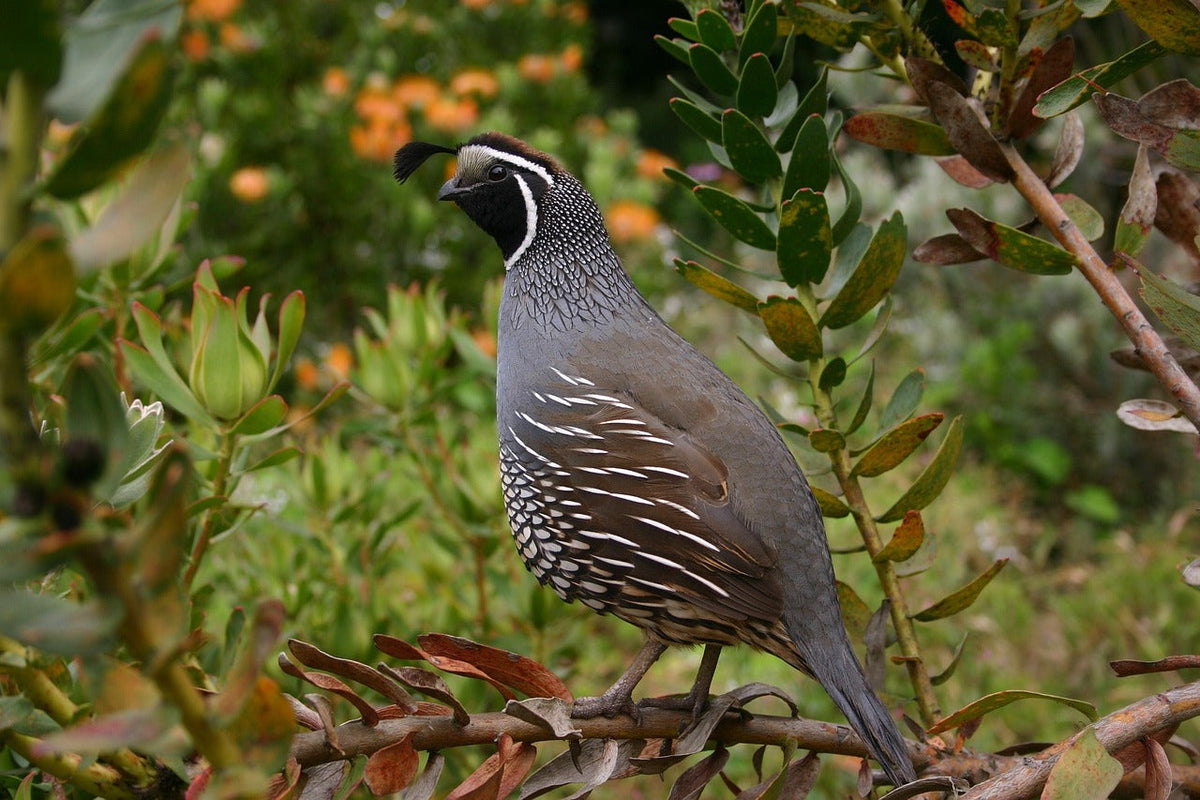
California quail are plump, gray-and-brown birds with a forward-drooping, comma-shaped black plume on the head. Males have a black face and throat bordered in white, a brown crown, a gray breast, and a distinctive scaled pattern on the belly. The flanks are brown with white streaks. Females are browner and plainer, with a smaller plume and no black face.
California quail look similar to Gambel's quail, but males have a scaled belly and a more brownish cap, while Gambel's males have a plain cream belly with a black patch and a chestnut cap.
These are social birds. In fall and winter, California quail form large coveys, often 25–75 birds and sometimes more. They prefer to run to cover rather than fly, but when they flush, coveys often scatter and land in thick brush, where single birds can hold tightly for a dog.
California Quail Habitat: Where California Quail Live
California quail need a combination of brush, open ground, and water:
- Brushy cover such as blackberry thickets, sagebrush, bitterbrush, chaparral, and willow along streams.
- Riparian corridors and creek bottoms, especially in drier areas.
- Oak woodlands and foothills in their native range.
- Agricultural edges with brushy fencerows, orchards, and field borders.
- Roost sites in dense shrubs or trees, used night after night.
California quail usually don't venture far from dense escape cover. In the Pacific Northwest and intermountain West, they're often found in the same brushy draws and creek bottoms as chukar, Hungarian partridge, and pheasants.
What Do California Quail Eat? Diet and Water Needs
California quail eat mostly plant material:
- Seeds of legumes and weeds such as clover, filaree, lupine, deervetch, and thistles.
- Green leaves of grasses and forbs, especially in winter and spring.
- Acorns, berries, and fruits, plus waste grains near farms.
- Insects, which are important for chicks.
California quail generally need regular access to water in hot, dry months and are often found within a short distance of creeks, springs, or ponds. During cooler, wetter parts of the year, they can get much of their moisture from green plants and dew.
California Quail Breeding, Nesting, and Brood Rearing
California quail pair off in spring, and coveys break up. Nests are shallow scrapes on the ground, usually hidden under shrubs, brush piles, or tall grass. Hens typically lay 12–16 eggs, and incubation lasts about 22–23 days.
One unusual feature of California quail is cooperative brood rearing. Several families sometimes combine their chicks into a "gang brood" or creche, with multiple adults watching over a large group of young. Males may also take over care of chicks while the female renests. These family groups eventually form fall coveys.
California Quail Hunting Season Dates
California quail are hunted across the West, with typical seasons including:
- California: general quail seasons usually open in mid-October and run through late January.
- Oregon: seasons typically open in September or October and run through January 31, varying by region.
- Washington: quail season typically opens in October and runs through mid-January.
- Idaho: quail season usually opens in late September and runs through January 31.
- Nevada and Utah: seasons generally open in the fall and run into winter.
- Bag limits typically range from 8 to 10 per day, often in aggregate with other quail.
Always check current regulations, especially where mountain quail share the same habitat, since mountain quail seasons may be closed or limited in some areas.
California Quail Meat Profile: How California Quail Taste and How to Cook Them
California quail have light, mild, tender meat, very similar to bobwhite and Gambel's quail.
- Pan-fry or grill. A few minutes per side is enough.
- Use whole birds. Pluck birds and roast them whole or spatchcocked for the best flavor.
- Brine quickly. A short brine helps these small birds stay juicy.
- Pair with fruit. Fig, grape, or pomegranate sauces complement the mild meat.
California Quail Hunting History and Conservation Status
California quail were an important food source for Native peoples and settlers in California. Market hunters harvested huge numbers in the late 1800s and early 1900s for city markets. The bird was named California's state bird in 1931.
Over the past century, California quail were introduced to many areas outside their native range, including Washington, Idaho, Utah, eastern Oregon, British Columbia, Hawaii, Chile, and New Zealand. Many of those populations are now well-established.
California quail are not federally listed and are generally considered stable and widespread. Local populations rise and fall with rainfall, winter weather, and habitat changes. In their native range, urban development, loss of riparian habitat, and changes in brush and woodland can reduce local populations, while in parts of the Northwest, farm edges and brushy draws continue to support good numbers.
Gear for California Quail Country
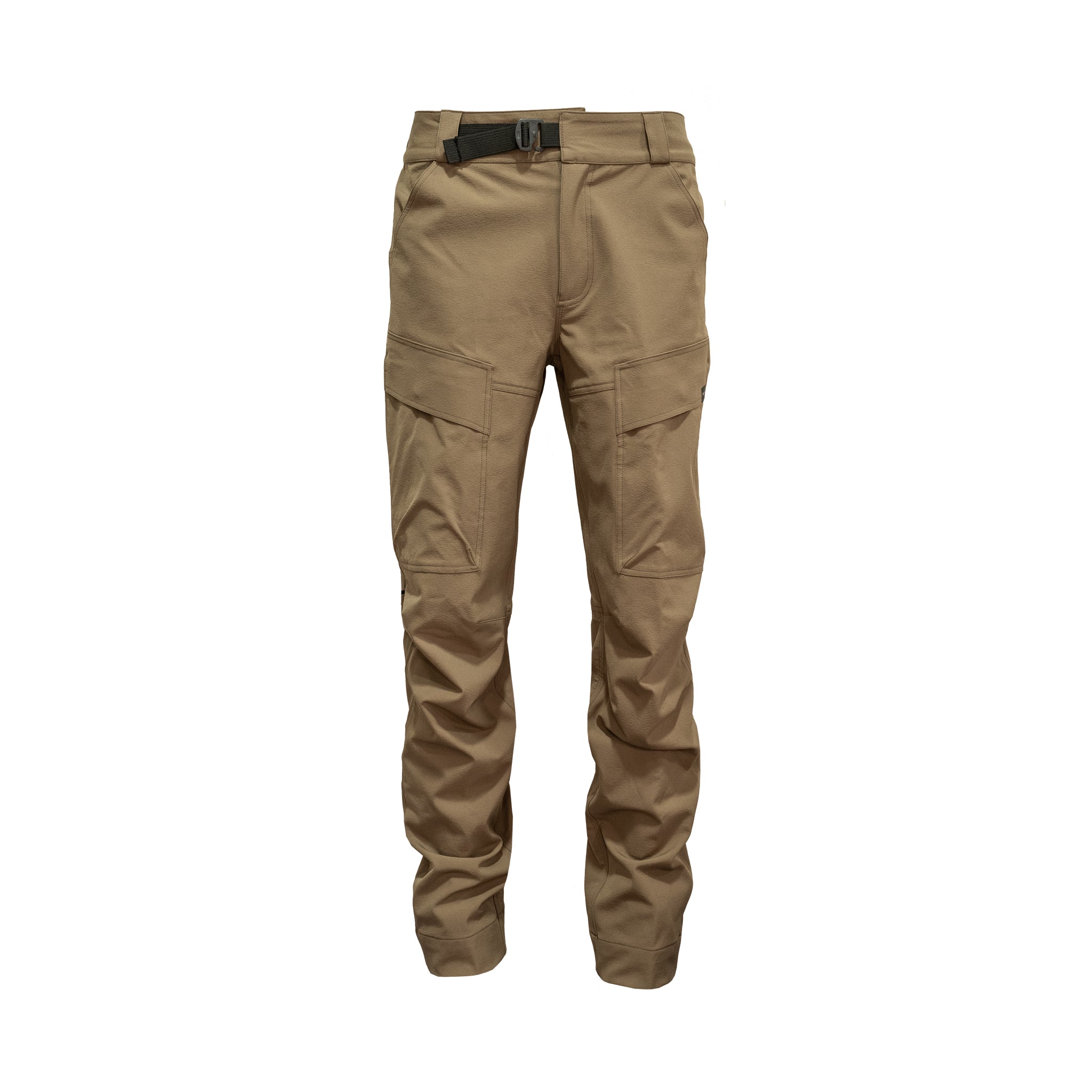
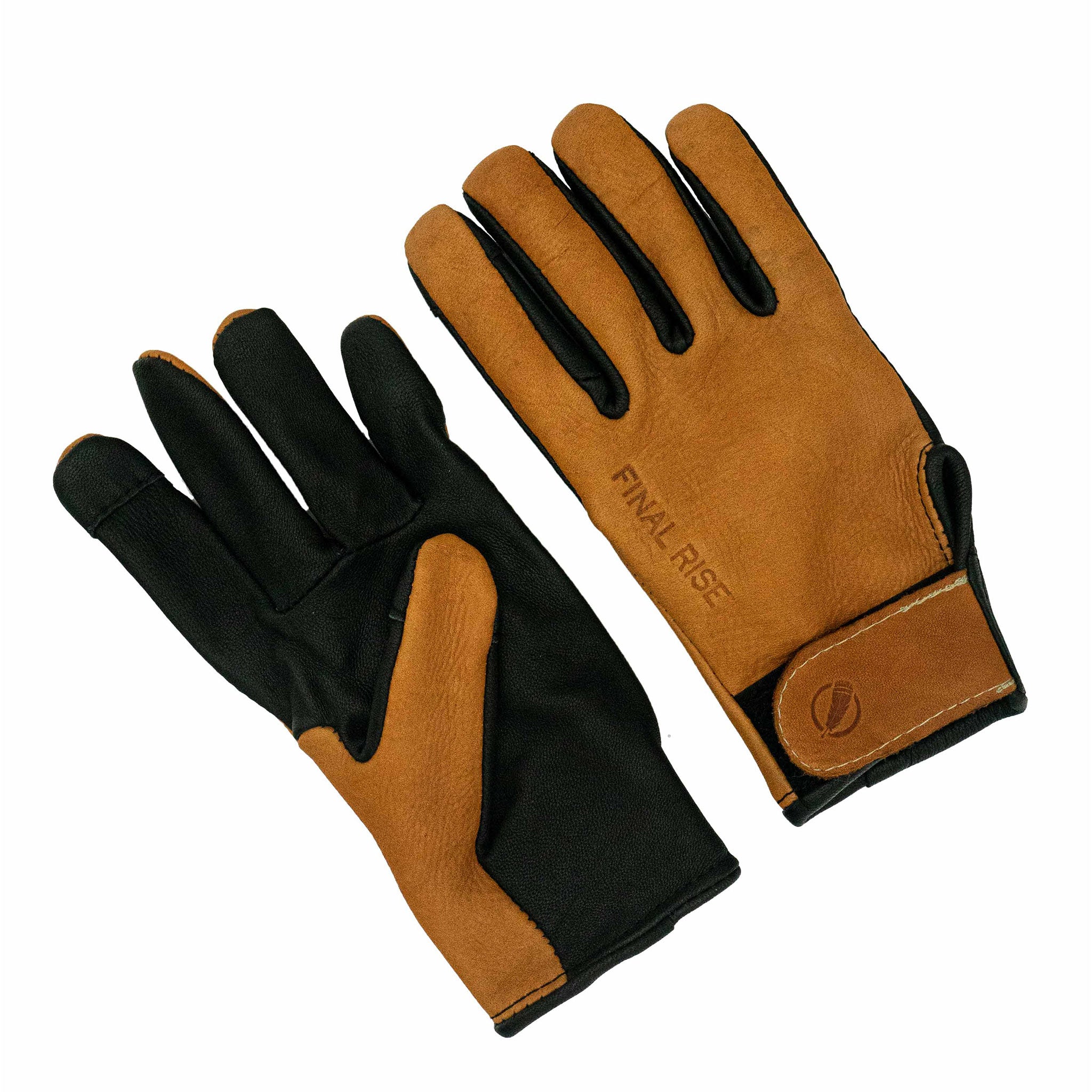
California quail hunting often means pushing through brush along creek bottoms and fence lines, often with chukar or huns nearby. A lightweight, low-profile vest helps. The Legacy Vest System weighs 2.25 lb and stays out of the way in thick brush, while the Heritage Upland Vest is an affordable option for youth or first-time hunters; learn more in The Most Affordable Upland Bird Vest Made in America. Field Gloves and the All Terrain Field Pant protect against blackberry and rose thorns. If you're combining quail with chukar in the canyons, see our complete chukar hunting guide and our western upland road trip gear guide.
Frequently Asked Questions
Why is the California quail called a valley quail? "Valley quail" is a common name for California quail, especially in the Pacific Northwest and intermountain West, because they're often found in valleys, creek bottoms, and lower-elevation brushy areas.
Is the California quail the state bird of California? Yes. The California quail was designated California's official state bird in 1931.
How many California quail are in a covey? California quail often form large coveys in fall and winter, commonly 25–75 birds and sometimes more where habitat is good.
What's the difference between California quail and mountain quail? California quail have a forward-drooping, comma-shaped plume and a scaled belly, while mountain quail have two long, straight plumes, a chestnut throat, and bold white bars on the flanks. Mountain quail are also larger and live in steeper, brushier mountain habitat.