




Prairie Chicken Species Profile
At dawn on a Kansas or Nebraska spring morning, a low, moaning whoo-doo-doooh rolls across the tallgrass like someone blowing over the mouth of a jug. That's the booming of male prairie-chickens on their display grounds, one of the great wildlife sounds of the continent. Prairie-chickens were once among the most abundant game birds in North America; today they're a symbol of what's left of the native prairie. This species profile covers the greater, lesser, and Attwater's prairie-chickens: how to identify them, where they live, what they eat, how they breed, where and when you can legally hunt them, what the meat is like, and the latest on their conservation status.
Prairie Chickens at a Glance
| Attribute | Greater Prairie-Chicken | Lesser Prairie-Chicken |
|---|---|---|
| Scientific name | Tympanuchus cupido | Tympanuchus pallidicinctus |
| Size | About 17 in. long | About 16 in. long |
| Weight | About 1.5–2.5 lb | About 1.4–1.8 lb |
| Male air sacs | Orange-yellow | Reddish-purple |
| Primary U.S. range | KS, NE, SD, plus smaller populations in MN, ND, CO, MO, IL, WI, OK | Southwestern KS, eastern CO, western OK, eastern NM, Texas Panhandle |
| Hunting | Open in KS, NE, SD, CO, MN (lottery) | Closed everywhere |
| Conservation status | Not federally listed; declining across much of range | Federal listing vacated by court and removed in 2026; new review underway |
Prairie Chicken Identification and Primary Attributes
Prairie-chickens are stocky, chicken-like grouse with a short, rounded, dark tail and bold horizontal brown-and-white barring across the breast, belly, and flanks. Males have long, stiff neck feathers called pinnae that they raise like horns during display, along with colorful inflatable air sacs on the sides of the neck and yellow-orange eye combs.
There are three forms in the United States:
- Greater prairie-chicken. The largest and most widespread, with orange-yellow air sacs. This is the only prairie-chicken that can be legally hunted.
- Lesser prairie-chicken. Slightly smaller and paler, with reddish-purple air sacs, found in the sand sagebrush and shinnery oak prairies of the southern High Plains.
- Attwater's prairie-chicken. A subspecies of the greater prairie-chicken found only on the coastal prairie of Texas and listed as endangered since 1967.
A fourth form, the heath hen of the Atlantic Coast, went extinct in 1932 on Martha's Vineyard.
In the field, the biggest identification challenge is the sharp-tailed grouse, which shares range with the greater prairie-chicken in Nebraska and the Dakotas. Prairie-chickens have dark, rounded tails and heavy belly barring; sharptails have pointed, white-edged tails and white bellies with scattered V marks. Hunters in overlapping range should know the difference, since seasons and limits can differ.
Prairie Chicken Habitat: Where Prairie Chickens Live
Prairie-chickens need large, intact grasslands. Greater prairie-chickens are tied to tallgrass and mixed-grass prairie; the Flint Hills of Kansas and the Sandhills and other grasslands of Nebraska hold the largest remaining populations. Lesser prairie-chickens live in drier mixed-grass prairie with sand sagebrush or shinnery oak.
Key habitat features include:
- Large, unbroken grassland blocks, ideally thousands of acres. Prairie-chickens avoid tall structures such as trees, power lines, and wind turbines that can serve as raptor perches.
- Booming grounds (leks) on low hills or flats with short grass and good visibility.
- Nesting cover of residual grass from the previous year, tall and dense enough to hide hens.
- Brood habitat rich in forbs and insects.
- Winter food from grain fields near grassland edges, especially for greater prairie-chickens.
Grazing management and fire play big roles in prairie-chicken habitat. Patch-burn grazing, which creates a mosaic of burned and unburned areas, can provide both display areas and nesting cover across a landscape, while annual burning of entire pastures in spring can remove the residual cover hens need to nest.
What Do Prairie Chickens Eat? Diet and Water Needs
Prairie-chicken diets shift by season:
- Spring and summer: green leaves, flowers, and seeds of forbs, plus insects such as grasshoppers and beetles. Chicks rely heavily on insects early on.
- Fall and winter: seeds and waste grain (corn, sorghum, wheat, soybeans) from nearby crop fields, plus rose hips, acorns, and buds where available. Lesser prairie-chickens eat shinnery oak acorns and catkins where that plant is common.
Prairie-chickens get most of their water from food and dew, though they will use water sources when available.
Prairie Chicken Breeding, Booming Grounds, and Brood Rearing
Prairie-chickens are lek breeders. From March through May, males gather on booming grounds at dawn and dusk. They raise their pinnae, inflate their air sacs, drop their wings, stamp their feet rapidly, and produce the low booming call that can carry a mile or more. Males also cackle, whoop, and spar with rivals. A few dominant males in the center of the lek mate with most of the hens.
After mating, hens nest on the ground in grass, usually within a mile or two of the lek. Clutches typically contain about 10–12 eggs, and incubation lasts roughly 23–25 days. Chicks are precocial and follow the hen into forb-rich brood habitat. Nest success and chick survival are strongly affected by grass cover, drought, and predators.
Prairie Chicken Hunting Season Dates
Only the greater prairie-chicken can be hunted, and only in a handful of states. Typical patterns include:
- Kansas: a long season in designated units, usually opening in mid-September and running through January 31. The southwestern unit, which holds lesser prairie-chickens, is closed to all prairie-chicken hunting, and hunters need a prairie-chicken permit.
- Nebraska: a combined prairie grouse season (prairie-chickens and sharptails) typically running from September 1 through January 31.
- South Dakota: a prairie grouse season typically opening in late September and running through January 31.
- Colorado: a season in a few northeastern units, usually October 1 through January 31, with low bag and season limits.
- Minnesota: a short, resident-only season of about nine days in late September or early October, with permits awarded by lottery.
Daily bag limits are usually one to two birds. Regulations and open areas change, so always confirm with your state wildlife agency. Prairie-chicken hunting often overlaps with sharptail and pheasant hunting, and blaze orange rules vary; see our blaze orange requirements by state.
Prairie Chicken Meat Profile: How Prairie Chicken Tastes and How to Cook It
Prairie-chicken is dark meat with a rich flavor, very similar to sharp-tailed grouse. Birds feeding in grain fields tend to be milder, while birds living mostly on native forbs and buds can be a bit stronger.
- Treat it like duck or sharptail. Sear the breast quickly and serve it medium-rare to medium.
- Marinate or brine. A buttermilk soak or a wine marinade helps with older birds.
- Slow-cook the legs. Use them for braises, stews, or a rich stock.
- Use bold pairings. Juniper, red wine, mushrooms, and tart fruit sauces stand up well to the meat.
Prairie Chicken Hunting History and Conservation Status
In the 1800s, prairie-chickens were abundant enough across the Midwest and Great Plains that market hunters shipped them east by the barrel. As tallgrass prairie was plowed, prairie-chicken numbers collapsed in many states, and seasons closed across much of the Midwest during the 20th century. Minnesota, for example, closed its season in 1943 and only reopened a limited, lottery-based hunt in 2003. The heath hen, an eastern relative, disappeared entirely in 1932.
Today the greater prairie-chicken is not federally listed and still supports hunting in its strongholds, but it has declined in many states and remains dependent on large grassland blocks. The Attwater's prairie-chicken remains federally endangered, with recovery work centered on the Texas coastal prairie.
The lesser prairie-chicken has had a complicated legal history. The U.S. Fish and Wildlife Service listed it under the Endangered Species Act in 2022, with the southern population listed as endangered and the northern population as threatened. A federal court in Texas later vacated that listing, and in early 2026 the Service removed both populations from the federal list in compliance with the court order and opened a new 12-month status review. The Service has said it plans to complete its new finding by November 30, 2026, so the species' federal status may change again. Regardless of federal status, lesser prairie-chicken hunting is closed in every state where the bird occurs.
Gear for Prairie Chicken Country
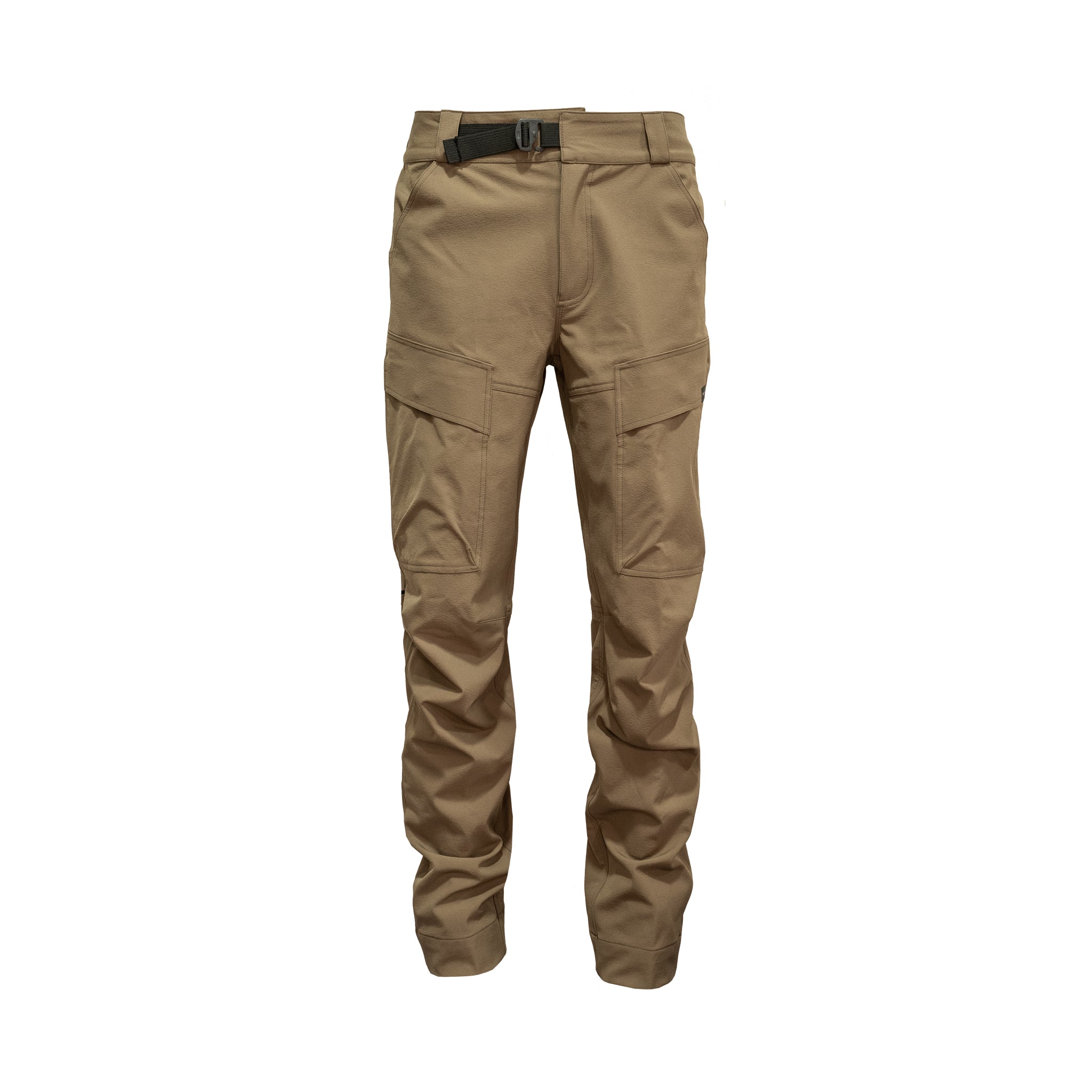
Prairie-chicken hunting often means September heat and miles of open grass. A light vest that still carries real water for a dog makes a big difference. The Sidekick Vest System weighs under 2 lb and comes with two 32-oz bottles, the same reasons we recommend it in What Is the Best Vest for Early Season Sharptail Grouse?. For later, colder hunts that mix in pheasants, the Summit Vest System gives you more room for layers and birds. On shadeless prairie, a Sonora Sun Hoodie is worth wearing, and the All Terrain Field Pant holds up to sandburs and yucca. For tactics that carry over from sharptails, see our complete sharptailed grouse hunting guide.
Frequently Asked Questions
Can you hunt prairie chickens? You can hunt greater prairie-chickens in Kansas, Nebraska, South Dakota, Colorado, and (through a resident-only lottery) Minnesota. Lesser prairie-chickens and Attwater's prairie-chickens cannot be hunted anywhere.
Is the lesser prairie-chicken endangered? As of 2026, the lesser prairie-chicken is not federally listed. Its 2022 listing was vacated by a federal court and removed from the list in early 2026, and the U.S. Fish and Wildlife Service is conducting a new status review with a finding expected by late 2026.
Why do prairie chickens "boom"? Males inflate air sacs on their necks and force air out to produce a low, resonant booming call during spring courtship. The sound helps attract hens to the lek and can carry a mile or more on a calm morning.
What's the difference between a prairie chicken and a sharp-tailed grouse? Prairie-chickens have short, rounded dark tails and heavy horizontal barring on the belly, while sharp-tailed grouse have pointed tails and white bellies with V-shaped marks. Male prairie-chickens also have long pinnae feathers on the neck.