
Off-Season Bird Dog Training: How to Keep Your Hunting Dog in Peak Condition Year-Round

By Josh Tatman
Whether you hunt upland birds, waterfowl, or both, one thing is certain: hunting season rewards preparation. The months between seasons are the perfect opportunity to build your bird dog's endurance, sharpen obedience, and prevent injuries before opening day arrives.
Many hunters spend the off-season thinking about gear, scouting, and licenses while their dogs gradually lose conditioning. The result is a dog that tires quickly, struggles to range properly, or lacks the stamina needed for long days in the field.
Fortunately, keeping your hunting dog in top shape doesn't require professional equipment or daily training sessions. A consistent off-season fitness routine can help your bird dog enter hunting season stronger, healthier, and mentally prepared.
Why Off-Season Dog Training Matters
Bird dogs are elite canine athletes. Like any athlete, they perform best when conditioning is maintained throughout the year rather than rebuilt a few weeks before season opens.
Regular off-season exercise helps:
- Build cardiovascular endurance
- Maintain healthy body weight
- Strengthen muscles and joints
- Reduce risk of injury
- Improve mental focus
- Reinforce obedience and handling
- Increase hunting stamina
Even just three to four quality workouts each week can dramatically improve your dog's performance during hunting season.
Train During the Coolest Part of the Day
Summer heat is one of the biggest obstacles to conditioning hunting dogs.
The safest training sessions happen early in the morning when temperatures are lowest. Cooler conditions reduce the risk of overheating while also limiting encounters with rattlesnakes, ticks, and other summer hazards.
If early mornings aren't possible, take advantage of changing weather patterns.
Excellent opportunities include:
- Immediately after a cold front
- Following summer thunderstorms
- Windy days
- Higher elevations
- Shaded training grounds
Always monitor your dog's breathing and energy level.
Before, during, and after exercise, cool your dog with fresh water if needed. Never kennel a heavily panting dog immediately after training. Allow adequate cool-down time before loading them back into the truck.
Recognize Signs of Heat Stress
Every bird dog owner should know the warning signs of overheating.
Watch for:
- Excessive panting
- Thick drool
- Bright red gums
- Weakness
- Confusion
- Vomiting
- Collapse
Heat stroke is a veterinary emergency. Stop exercising immediately if these symptoms appear.
Exercise in Hunting-Like Terrain
Conditioning should resemble the type of hunting your dog will actually do.
Jogging on sidewalks provides exercise but doesn't prepare feet, muscles, or movement patterns for rough country.
Instead, look for:
- Native grasslands
- CRP fields
- Sagebrush flats
- Prairie
- Timber edges
- Hills
- Rocky terrain
- Sand
- Crop stubble
These surfaces strengthen foot pads while improving balance and endurance.
Allow your dog to run at the distance you expect during hunting season rather than keeping them close on a leash.
Vary Your Training Locations
Dogs become familiar with predictable routes.
Changing locations exposes your dog to:
- New scents
- Different terrain
- Wind changes
- Varying cover
- Natural obstacles
This builds confidence and creates a more adaptable hunting companion.
Roading: Effective but Use Caution
Many experienced bird dog owners use "roading" to build endurance.
Roading involves allowing the dog to run alongside an ATV, bicycle, or specially designed roading rig.
When done safely on private property or controlled roads, it can build tremendous cardiovascular fitness.
Avoid public roads where unexpected traffic creates unnecessary risk.
Bird Work Keeps Skills Sharp
Conditioning alone doesn't make a finished bird dog.
Bird exposure is equally important.
During nesting season, avoid disturbing wild birds and brood-rearing habitat.
Instead, use:
- Homing pigeons
- Pen-raised quail
- Chukar
- Training pigeons
- Launcher systems
Focus on quality over quantity.
One carefully planned bird contact teaches more than several random finds.
As late summer approaches and juvenile wild birds become more independent, many areas offer excellent training opportunities. Always verify your state's regulations before working dogs on wild birds.
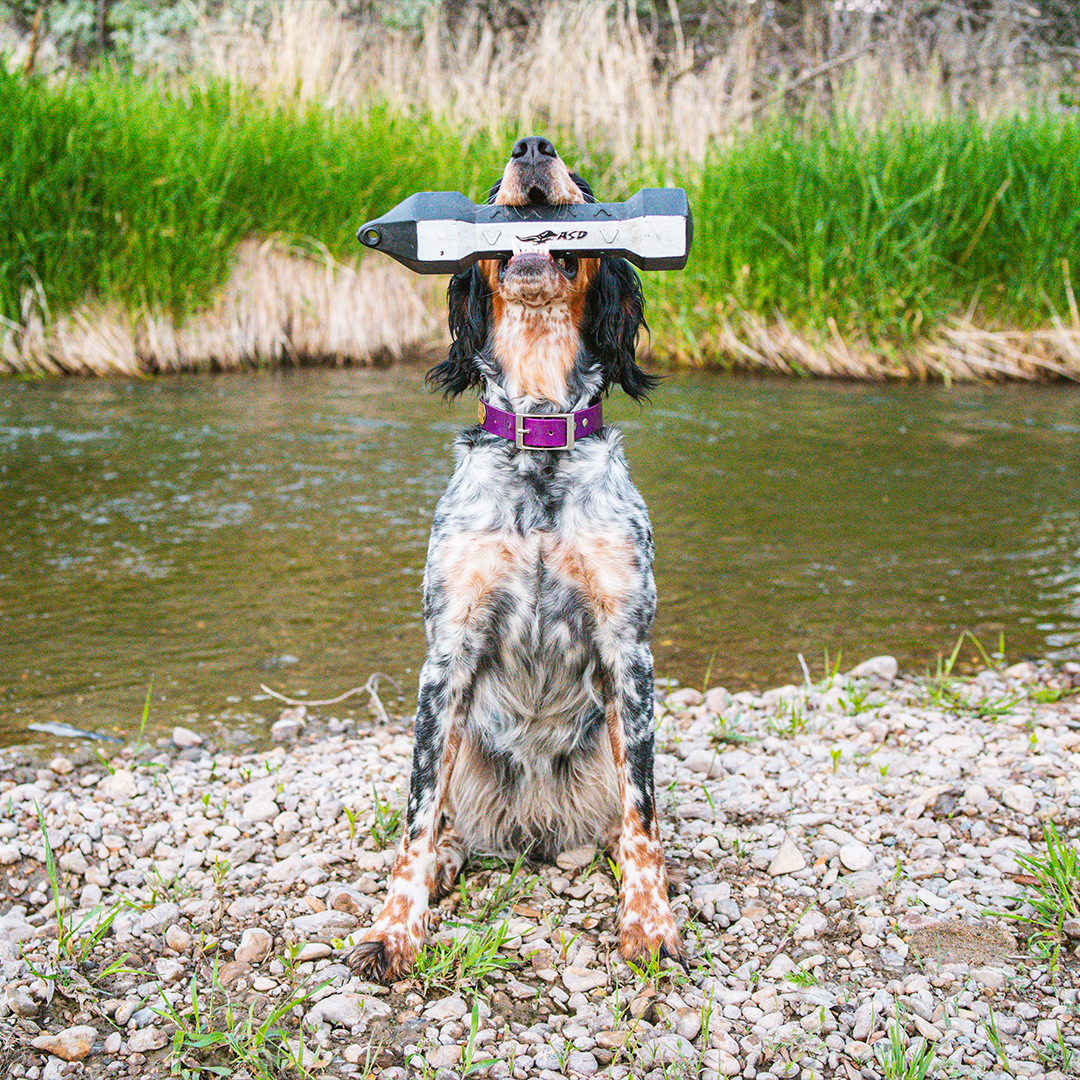
Swimming Is One of the Best Summer Exercises for Bird Dogs
Swimming delivers exceptional cardiovascular exercise with minimal joint impact.
Whether you own a pointing breed or retriever, water work develops strength while keeping dogs cool.
Practice:
- Marked retrieves
- Blind retrieves
- Water entries
- Confidence around cover
- Obedience at the shoreline
Always inspect ponds and lakes beforehand.
Avoid:
- Harmful algae blooms
- Strong currents
- Irrigation structures
- Thick snake habitat
- Unsafe shorelines
Carry fresh drinking water so your dog isn't tempted to drink stagnant water.
Don't Forget Obedience Training
Summer is an excellent time to reinforce fundamentals.
Short sessions can sharpen:
- Recall
- Whoa
- Heel
- Sit
- Place
- Steadiness
- Remote commands
- Whistle responses
These simple drills often produce bigger improvements than lengthy training sessions.
Build Mental Conditioning Too
Physical conditioning is only half the equation.
Successful hunting dogs must also stay mentally engaged.
Mix training with:
- New locations
- Different bird species
- Retrieving drills
- Obstacle work
- Tracking exercises
- Problem-solving games
Mental stimulation helps prevent boredom while reinforcing confidence.
Train Yourself Alongside Your Dog
Your bird dog shouldn't be the only athlete preparing for opening day.
If your dog is ranging across CRP, walk behind them.
If they're climbing chukar hills, climb with them.
If they're swimming retrieves, consider swimming too.
Your conditioning directly affects how much country you'll comfortably hunt when the season arrives.
The stronger both hunter and dog become during the off-season, the more enjoyable every hunt will be.
Final Thoughts
The best hunting dogs aren't built a week before opening day—they're developed throughout the off-season.
Consistent exercise, thoughtful bird work, realistic terrain, water training, and regular obedience sessions will keep your bird dog healthy, confident, and ready when the first covey flushes.
A few hours each week during summer can make the difference between a dog that fades after the first hour and one that hunts hard from sunrise until sunset.
Invest in your dog now, and you'll both enjoy a more successful hunting season.
Frequently Asked Questions
How often should I exercise my bird dog during the off-season?
Most healthy adult bird dogs benefit from three to five conditioning sessions each week. Mix endurance work, bird training, obedience, and swimming for balanced fitness.
What is the best summer exercise for hunting dogs?
Swimming is one of the safest and most effective exercises because it builds cardiovascular fitness while reducing heat stress and joint impact.
Can bird dogs lose conditioning during the off-season?
Yes. Just a few months of inactivity can reduce endurance, muscle tone, and hunting performance. Consistent exercise throughout the year helps maintain peak condition.
When should I start preparing my hunting dog for bird season?
Ideally, conditioning should continue year-round. If your dog has been inactive, begin rebuilding fitness at least eight to twelve weeks before opening day.
Is it safe to train bird dogs during hot weather?
Yes—but only with precautions. Train during cool mornings or evenings, provide plenty of water, monitor for signs of heat stress, and avoid extreme temperatures whenever possible.