
The Last Piece of Hunting Gear I Never Knew I Needed - An AED
By Joe Ellis
Like most hunters, I've spent years preparing for the expected. I check my shotgun, pattern my loads, condition my dogs, pack extra water, carry a hunting first aid kit, and make sure I have everything I need for a successful day in the field. We prepare for weather, rough terrain, and accidents, but very few of us prepare for the one emergency that can end a hunt—and a life—in an instant: sudden cardiac arrest.
I know because it happened to me.
In May of 2023, after nearly three decades as a professional whitewater guide, I was halfway through a day on California's South Fork of the American River when my heart suddenly stopped. One moment I was guiding guests through the rapids; the next, I collapsed from sudden cardiac arrest. I have no memory of what happened after that because, for all intents and purposes, I was gone for just over four minutes.
The reason I'm able to write this today comes down to two things: prepared bystanders and immediate access to an Automated External Defibrillator (AED). My fellow river guides immediately recognized the emergency, started CPR, and another guide retrieved an AED from my boat. Within minutes, it analyzed my heart rhythm and delivered the shock that restarted my heart. Without those people, and without that AED, I wouldn't be here today. I wouldn't have watched my children continue to grow up, returned to teaching, or spent another morning behind my dog.

Each year, more than 250,000 Americans experience an out-of-hospital cardiac arrest. Survival depends on time. Every minute that defibrillation is delayed decreases the chance of survival by about 10 percent. While EMS response times often exceed seven minutes, help can take much longer to reach the remote places where we hunt. In those moments, we are the first responders.
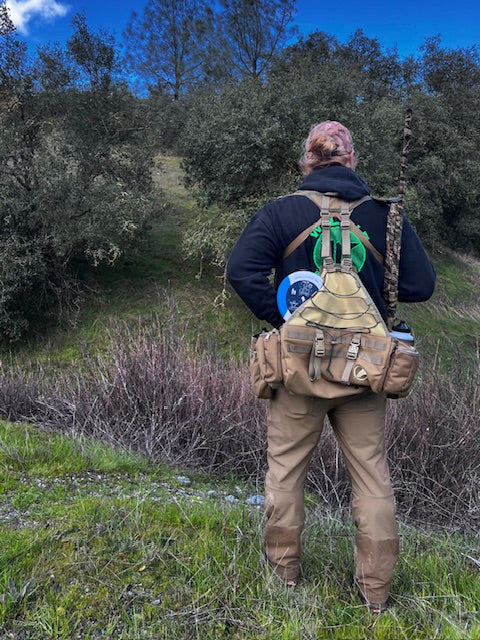
Fortunately, CPR is easy to learn and today's AEDs are made for everyday people. They provide simple voice instructions and will only deliver a shock if one is needed. They are also remarkably portable. The AED I carry weighs just under three pounds. I place it in a waterproof dry bag and slip it into the game pouch of my upland vest, where I literally throw my birds on top of it throughout the day. It disappears into my gear while providing the ability to save a life. Through my daily life and while scouting from the road, the AED lives in my vehicle.
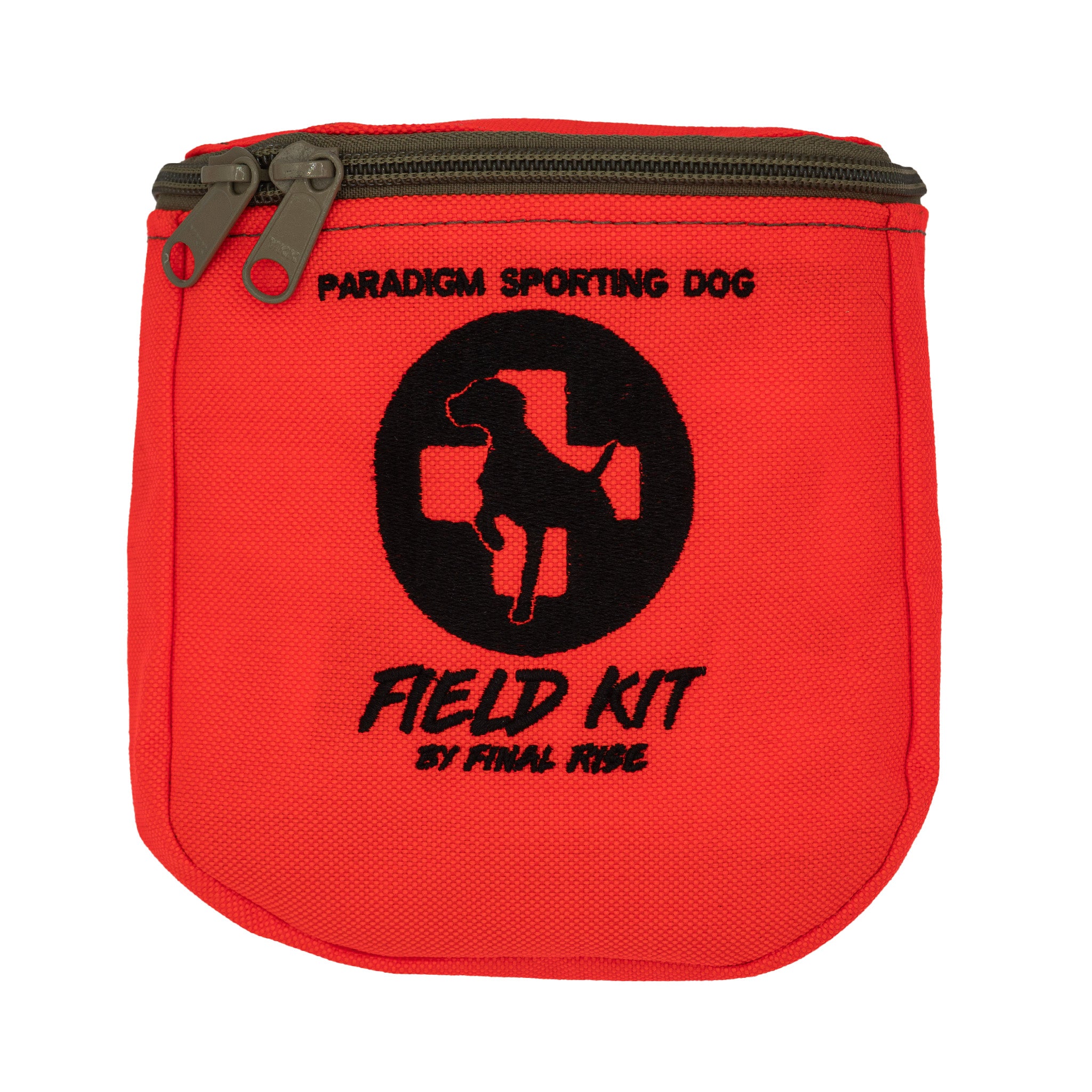
My upland vest also carries a basic field first aid kit, a tourniquet, Stop the Bleed supplies, and a bit of duct tape. We prepare for cuts, falls, and broken bones, yet cardiac arrest is far more likely to claim a life than any of those injuries. It deserves the same level of preparation. Hunting safety preparation shouldn't stop with individual hunters, either. Hunt clubs, upland preserves, and sporting organizations can make an enormous impact by installing an AED at their clubhouse or gathering area and creating a simple cardiac emergency plan.

Hunters have always looked after one another. We help each other across creeks, pull trucks out of the mud, celebrate successful days, and lend a hand whenever it's needed. Carrying an AED and preparing for a cardiac emergency is simply another extension of that tradition.
I never imagined an AED would become one of the most important pieces of hunting gear I own. Today, whether it's riding in my upland vest or waiting in my truck at the trailhead, I know it's there if someone needs it. I hope it never leaves its waterproof bag, but if someone in my hunting party suffers a sudden cardiac arrest miles from the nearest ambulance, I know we've done everything possible to give them the same chance I was given.
Sometimes the most valuable piece of hunting gear you carry isn't a piece of hunting gear at all.