
Complete Guide to Upland Hunting Vests: What You Need to Look For
Complete Guide to Upland Hunting Vests
An upland vest is one of the few pieces of gear that has to work as hard as you and your dog do. It carries your shells, your birds, your water, and sometimes your layers, all while staying out of the way of your gun mount through miles of high ridgelines, cattail sloughs, and thorn-choked fence lines. Not every vest is built with the same priorities, though, and the differences between them show up exactly when you can least afford them: halfway through a long day, soaked in sweat, with a vest digging into your shoulders. This guide walks through the categories that actually matter when you're choosing an upland vest, and why each one deserves real consideration before you buy.

Price & Value
The number on the price tag rarely tells the whole story. A lot of vests are sold as a base shell, with shell pouches, bottle holders, and hydration bladders priced as separate add-ons. That's fine if you know it going in, but it catches a lot of hunters off guard when a "budget" vest ends up costing more than a premium one once it's actually outfitted for the field. When you're evaluating price, it's worth asking what you get on day one versus what you'll need to buy afterward just to make the vest functional for opening morning.
Materials & Weight
Upland hunting is hard on fabric. Multiflora rose, blackberry canes, barbed wire, and cattails all take their toll over a season, and the denier rating of the material (essentially how thick and tightly woven the fibers are) determines how much abrasion a vest can take before it starts to fail. Heavier fabric generally means more durability, but it can also mean more weight on your shoulders. The vests that get this right manage to use tougher material without piling on extra pounds, because every ounce matters when you're covering ground behind a dog for six or eight hours at a stretch.

Storage & Organization
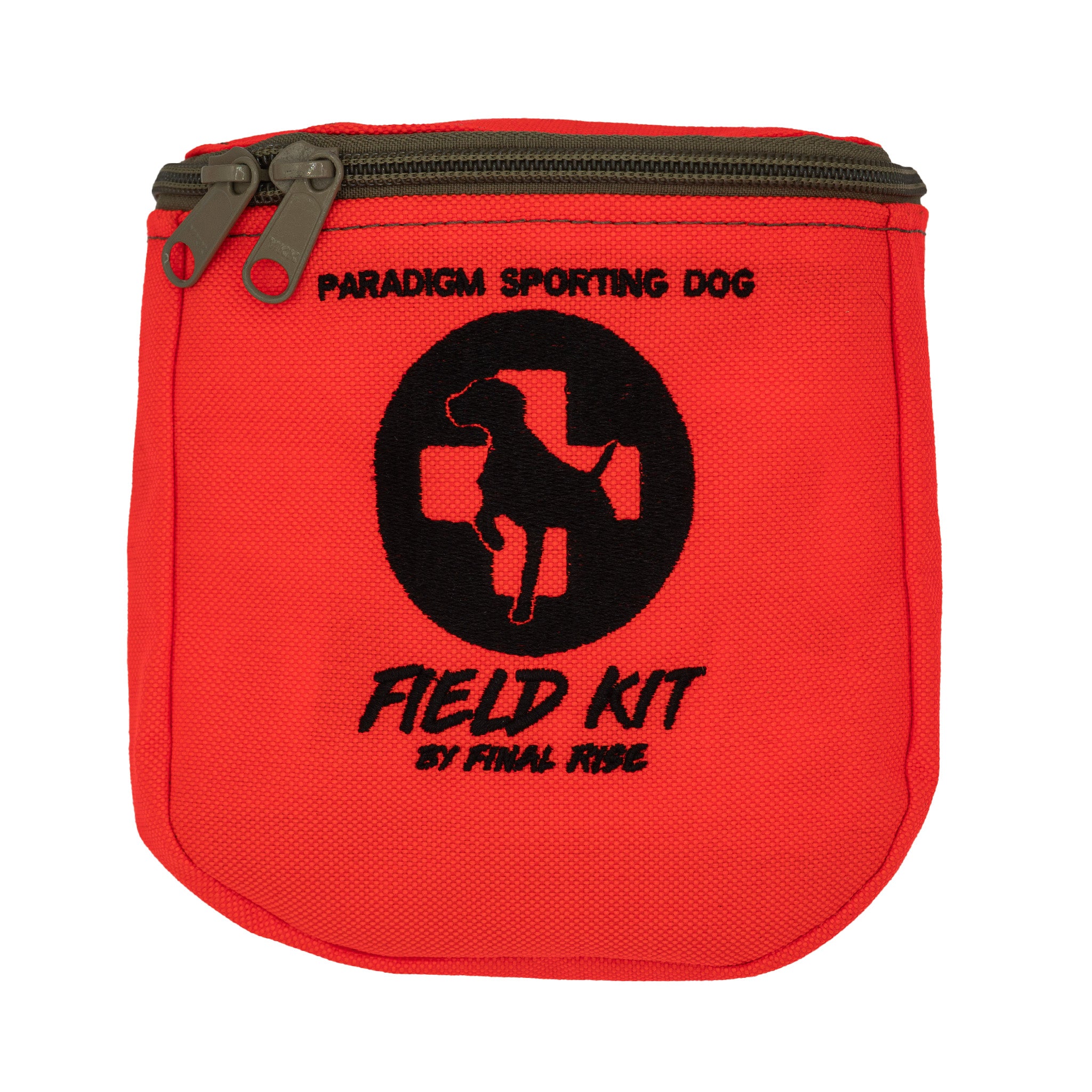
A vest with one big open compartment sounds simple, but it gets frustrating fast once you're trying to find your dog's first-aid kit at the bottom of a bag full of loose shells and a warm bird. Dedicated, zippered storage for things like a phone, hunting license, dog leash, or snacks keeps small essentials from disappearing into the same space as your game bag. In some cases, too many pouches or storage compartments can overcomplicate storage. MOLLE webbing adds another layer of value here, since it lets you attach storage pouches, a handheld unit, or a first-aid kit exactly where you want them instead of being locked into whatever the vest ships with.
Shell Pouch Design
Sure, shell pouches seem pretty straightforward, so they might not be front of mind. Velcro closures are useful, but over time they can fade or even alert wary birds to your presence. Pouches with a tapered or narrow opening are a real problem in cold weather when you're wearing gloves. Zippers seem great for retention, but have you ever had your zipper freeze shut during a warm snowstorm or freezing rain? The best designs allow fast, quiet, one-handed access: something you can do without looking down or breaking stride and keep debris like grass seed and burrs from working their way in over the course of a season.

Water & Hydration Capacity
Early-season upland hunting often means warm temperatures and dogs working hard in the heat, which makes water capacity one of the most important categories on this list. A vest that only holds enough water for an hour or two forces you to either cut hunts short or carry a separate pack, which defeats a lot of the purpose of a purpose-built vest in the first place. Between bottle holders and a bladder sleeve, a vest that can comfortably carry water for both you and a thirsty dog changes how long you can reasonably stay in the field. What's even better? Being able to dial your water quantities up or down without any additions to your vest.
Fit & Adjustability
An upland vest that doesn't fit right turns into a distraction pretty quickly. Belt sizing and torso or harness length both affect how weight is distributed, so a properly adjusted vest transfers load to the hips instead of letting it hang entirely off the shoulders, which matters enormously once the game bag starts filling up. Look for a range of size and length options, since "one size fits most" rarely fits anyone particularly well, and an adjustable belt lets you fine-tune fit through the season as you add or remove layers.

Comfort & Ventilation
Comfort and ventilation go hand in hand with how long you can actually stay productive in the field. A solid, padded back panel might feel cushioned in the store, but it traps heat against your body on a warm afternoon, and that heat adds up fast when you're already working hard to keep pace with a bird dog. An open-back or mesh-ventilated design keeps air moving and reduces fatigue over a long hunt, which is a bigger factor in performance than most hunters expect until they've worn both styles back to back.
Durability, Warranty & Origin
An upland vest isn't a seasonal accessory. It's gear that should hold up over years of hard use if it's built right. Stitching, zippers, and hardware all take abuse from brush, weather, and repeated loading and unloading, so a strong warranty is a meaningful signal about how confident a manufacturer is in their own construction. Supporting American made businesses is a great way to support your neighbors and ensure that if you do need a repair mid-season, you can be taken care of quickly and easily.

MOLLE Coverage
Full MOLLE coverage, not just on the game bag but across the shoulder straps and shell pouches too, gives you the flexibility to customize your loadout as your needs change from species to species or season to season. A vest with limited MOLLE locks you into whatever configuration it ships with, while one with full coverage can grow and adapt as your kit does.
Emergency Dog Carry
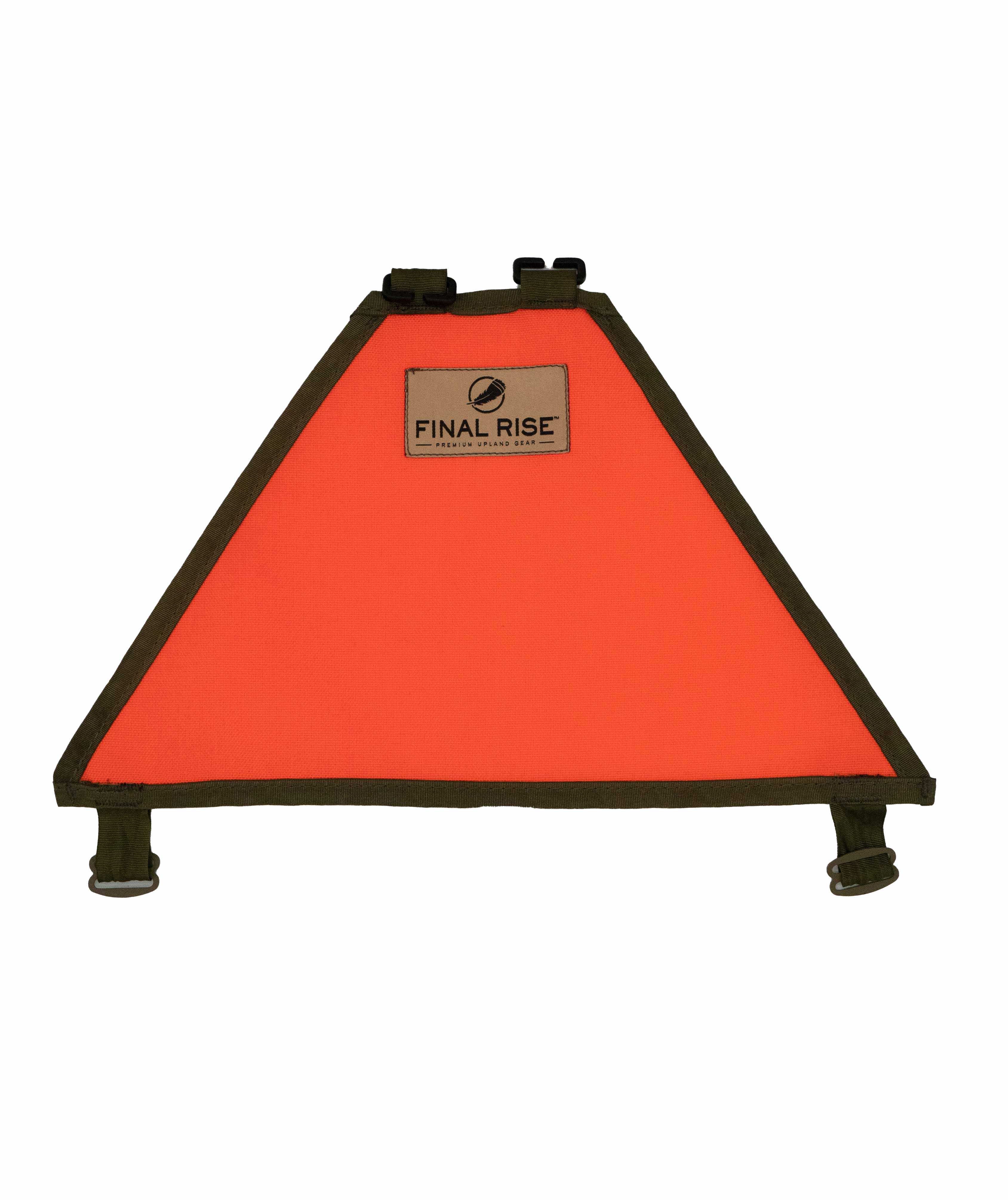
For anyone who hunts with a dog, the ability to carry an injured or overheated dog out of the field is a feature you hope you never need but will be grateful for the one time you do. Rough terrain, rattlesnakes, heat exhaustion, and barbed wire are all real risks, and a vest built to handle an emergency evacuation of a 40 to 70 pound dog is doing something most vests never even consider.

Putting It All Together
Once you line up all of these categories, a clear picture starts to form of what a truly complete upland vest looks like: a durable, heavyweight fabric that doesn't add unnecessary bulk; storage that's organized rather than an afterthought; shell pouches you can access quietly and quickly with one hand; enough hydration capacity to keep you and your dog going through a hot morning; a fit system that actually adjusts to your body and distributes weight properly; a back panel that breathes instead of trapping heat; a warranty that reflects real confidence in the build, and thoughtful extras like full MOLLE coverage and the ability to carry your dog out in an emergency.
That's precisely the combination the Final Rise Summit XT was designed around. It's built from 1000D Cordura without carrying extra weight, comes as a complete system with water bottles, shell pouches, and a bladder sleeve included rather than sold separately, and uses a two-piece adjustable belt with a true weight-bearing lumbar design to keep the load off your shoulders. Its open-back construction is built for ventilation on warm days, it's backed by a lifetime warranty from a vest handcrafted in-house in Northern Utah, and it's the rare vest with a full MOLLE platform and a built-in emergency dog-carrying capacity tested to hold over 300 lbs. If you're using the categories above as your checklist, the Summit XT is worth a look. If you're curious how it stacks up against other high end upland vests, check out our blog on that here.