
Shotgun Shooting Practice for Upland Hunting
Article by Broc Frampton - Senior Designer at Final Rise
Why Offseason Shotgun Practice Matters for Upland Hunters

Every missed bird tells a story. Sometimes it's poor timing. Sometimes it's a rushed mount. More often than most hunters realize, it's a lack of quality reps before the season starts.
If you're serious about becoming a better upland hunter, few things will improve your shooting more than spending time on the clay target range during the offseason. Trap, skeet, and sporting clays each develop different shooting skills that directly translate to real-world bird hunting situations.
Showing up with a purpose and clear goals can mean the difference between limiting out this fall and watching opportunities fly away.
Trap Shooting: Building Consistency for Flushing Birds
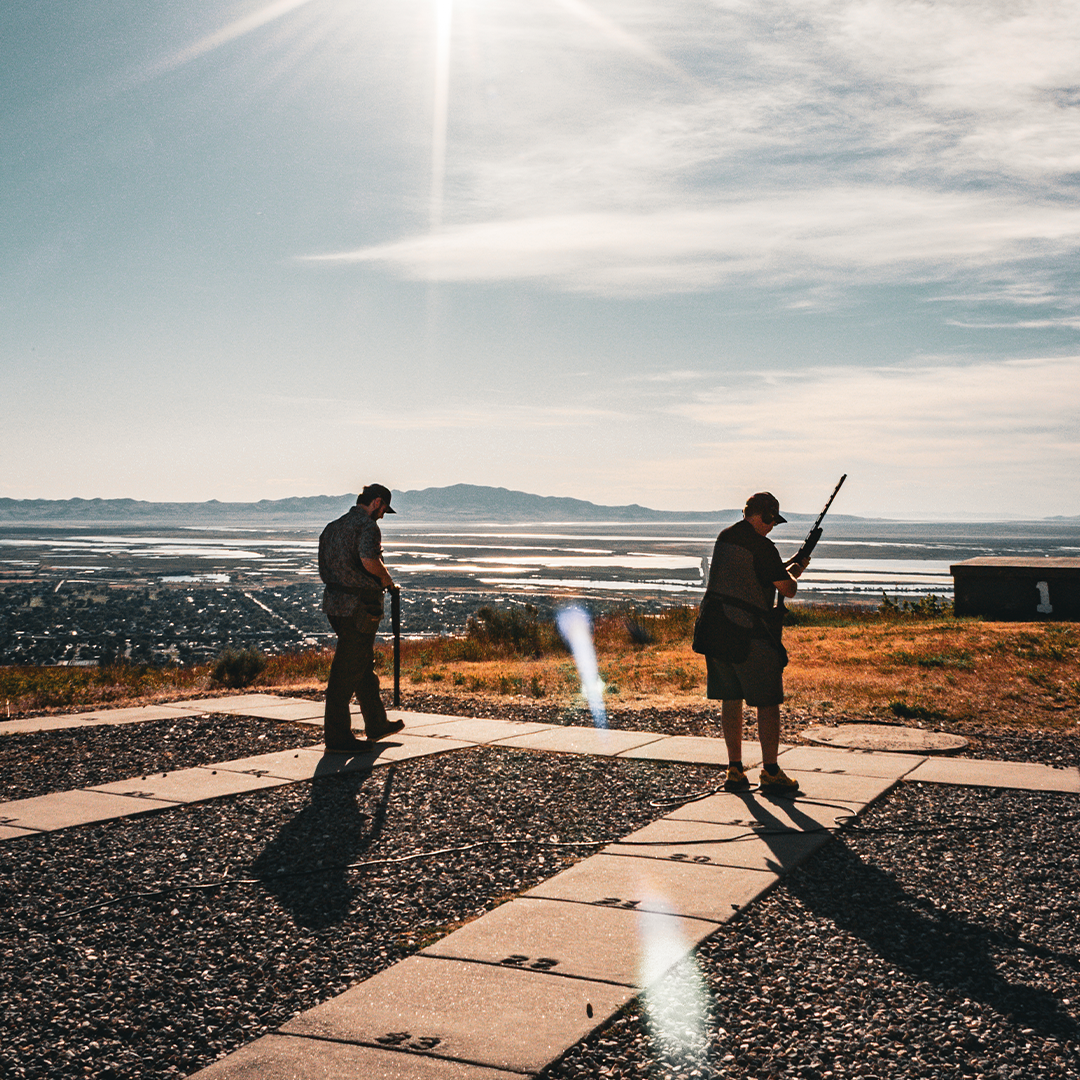
One trap house. Five stations. A target that does one thing—get up and get away.
On paper, trap shooting seems simple. In reality, it exposes every weakness in your shooting mechanics. A rushed gun mount, inconsistent cheek weld, poor foot positioning, or hesitation will usually show up as a missed target.
That's exactly why trap is one of the best offseason training tools for upland hunters.
Trap rewards consistency. The more rounds you shoot, the more you learn to trust your mount, trust your eyes, and repeat the same movement every time. Those fundamentals become invaluable when a rooster pheasant or covey bird flushes unexpectedly at your feet.
Benefits of Trap Shooting for Bird Hunters
- Develops a consistent gun mount
- Improves reaction time on flushing birds
- Reinforces proper cheek weld and sight alignment
- Builds confidence on straight-away and quartering-away shots
Skeet Shooting: Mastering Crossing Shots
For many upland hunters, crossing shots are the most challenging shots in the field.
A bird flushes wide, gains speed, and suddenly disappears while your shot pattern sails harmlessly behind it. If that sounds familiar, skeet shooting can help.
With a high house, a low house, and eight stations positioned around the field, skeet provides a steady diet of crossing and angled targets. Each station presents a different target line, forcing shooters to read the bird's path, establish proper lead, and commit to the shot.
The lesson is straightforward: if you don't lead the target and follow through, you'll miss. If you do, those difficult crossing shots in the uplands become much more manageable.
Benefits of Skeet Shooting for Upland Hunting
- Teaches proper lead on moving targets
- Improves follow-through
- Builds confidence on crossing birds
- Enhances target acquisition and tracking
Whether you're chasing sharptails across open prairie or watching chukar sail across a canyon, skeet shooting helps prepare you for birds that flush wide and move laterally.
Sporting Clays: The Closest Thing to Real Hunting
If trap builds consistency and skeet develops lead and follow-through, sporting clays ties everything together.
Sporting clays is controlled chaos in the best possible way.
One station may present a hard crossing target. The next could feature a dropping bird, a fast quartering-away shot, or even a rabbit target bouncing across the ground. Every presentation forces you to evaluate, adapt, and execute.
That's what makes sporting clays one of the best forms of offseason shotgun practice.
Unlike repetitive target presentations, sporting clays challenges your ability to read the target, formulate a plan, and make the shot under changing conditions. Those are the exact skills required for successful upland hunting.
Why Sporting Clays Helps Upland Hunters
- Simulates real hunting scenarios
- Improves adaptability and target reading
- Reinforces proper shooting fundamentals
- Builds confidence under varying conditions
Of all the clay target disciplines, sporting clays feels the closest to chasing wild birds.
Shooting Tips That Translate from the Range to the Uplands

The best shooters aren't always the fastest. They're often the most disciplined.
Here are a few shooting fundamentals that consistently carry over from the clay course to the bird field:
Keep Your Eyes on the Bird
Hard focus on the leading edge of the target from the moment you call "pull." Your eyes should remain locked on the bird, not the barrel.
Lead with Your Eyes
Your body naturally follows your eyes. By moving your eyes first, you'll create a smoother and more natural gun swing.
Whenever possible, shoot with both eyes open to improve depth perception and target tracking. However, many excellent shotgunners successfully shoot with one eye closed.
Follow Through Every Shot
One of the most common causes of missed birds is stopping the gun at the moment of the shot.
Keep the barrel moving through the target and continue your swing after pulling the trigger.
Build a Consistent Gun Mount
The single most valuable shooting skill you can develop is a repeatable gun mount.
More birds are missed because of poor gun mounting mechanics than most hunters realize. Every round at the range is an opportunity to reinforce muscle memory that pays dividends during hunting season.
If your shotgun features a mid-bead, use it as a visual checkpoint. Ideally, the front bead should stack directly above the mid-bead to create a clean figure-eight sight picture. For flatter-shooting guns, aligning the beads may provide a more natural sight picture.
Practice Like You Hunt
Training with the same gear you hunt in can help create familiarity and confidence.
A lightweight shell pouch makes it easy to carry shells and spent hulls during summer range sessions. Many hunters also prefer practicing while wearing their upland vest to better replicate field conditions.
Shotgun Maintenance: A Clean Gun Is a Reliable Gun

Even the best shooter can be let down by neglected equipment.
Carbon buildup, dirty bores, and seized choke tubes can negatively impact shotgun performance and reliability. Don't allow preventable maintenance issues to affect your next hunt.
Personally, I try to clean my shotgun and run a bore brush through it every one to two outings. During hunting season, I clean it whenever time allows, but maintenance remains part of the routine.
Essential Shotgun Maintenance Tips
- Remove and clean choke tube threads after every outing.
- Perform a full cleaning and pattern test at the start of the offseason.
- Conduct another cleaning and pattern check before opening day.
- Clean your shotgun immediately after wet, muddy, or dusty hunts.
- Regularly inspect moving parts for wear and lubrication needs.
A little preventative maintenance goes a long way toward ensuring your shotgun performs when the moment matters most.
Be Safe, Shoot Hard, and Enjoy the Process
Whether you're shooting sporting clays in July or chasing wild birds in October, the goal remains the same: become a safer, more confident shooter while enjoying every opportunity afield.
The birds, the dogs, and the memories are why we do it.
The practice simply helps us make the most of those moments when hunting season finally arrives.
We'll see you on the range.