
Sage Grouse Hunting Gear: Complete Checklist
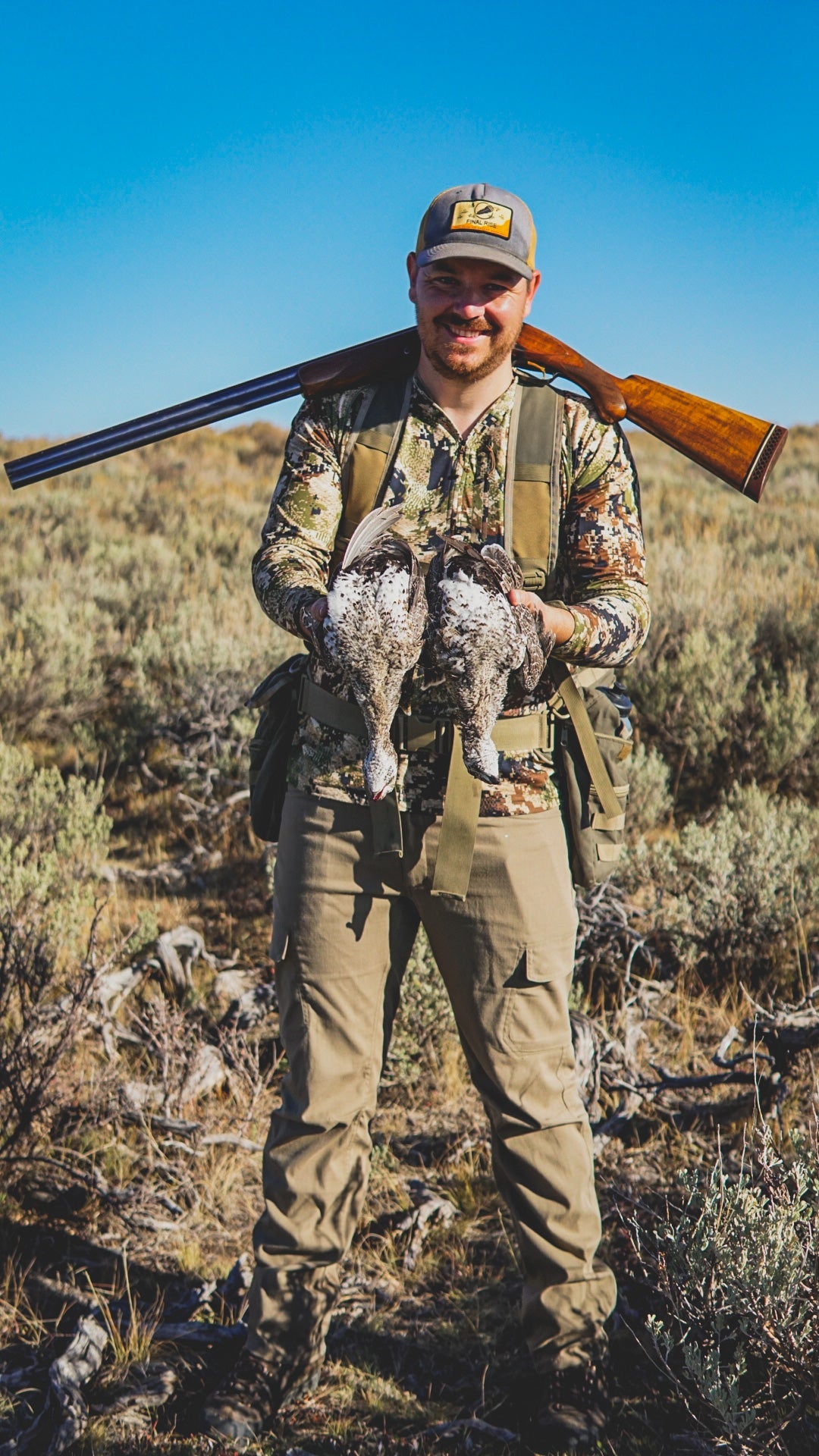
Sage grouse hunting isn't a walk in the CRP. It's a permit in hand, a truck parked miles from anywhere, and a hike through rolling sagebrush that can run 10 miles before you see a bird. When one does get up, it's huge, and the whole hunt runs on heat, distance, and how much water you're willing to carry. This is the no-bullshit gear checklist for sage grouse: what actually earns a spot in your pack, and what's just extra weight on an already long day.
Firearms & Ammo
Sage grouse are big, tough birds that hold up well to a hit, and they often flush at a bit more distance than you'd get on a tighter-cover bird. A Modified choke handles most of the shooting you'll do in open sage, and you don't need to be shy about shot size given how much bird you're actually trying to put down.
- Lead (where legal, and check your unit's regulations closely): size 6 handles the vast majority of sage grouse shooting at open-country ranges
- Steel (required on some public land and refuges): size 4 gives you the payload to match lead 6 performance on a big-bodied bird
For the full breakdown on matching shot size, choke, and effective range to the bird in front of you, check out our Upland Bird Shot Size Chart: Where Do I Start?
Upland Bird Vest
Two things define a good sage grouse vest: it needs to carry serious water for a long, hot, remote hike, and it needs a game bag that can actually handle a bird this size without you strapping it to the outside. Tags are often limited and hard-won, so when you finally connect, you want a vest built to get that bird back to the truck in one piece over several miles.
The Summit is the vest we reach for on sage grouse hunts, and it's earned that spot the hard way, carrying birds this size back from 10-mile mornings in the sage without missing a beat. At 2.85 lbs it doesn't add much to an already long day, and its structured game bag handles a bird twice the size of a sharptail without a problem. If you're running a bladder for the longest, hottest days and want a bit more total capacity, the Summit XT steps that up at 3.2 lbs without losing anything the Summit does well.

Clothing
Desert mornings start cool and don't stay that way. Layer light to start the hike and shed as the sage heats up under a rising sun. Our Bamboo Sun Tech Hoodie is built for exactly this kind of exposure, with UPF 50 protection for open desert country where there's no shade for miles and a bamboo fabric that breathes instead of trapping heat against your skin through a long midday push.
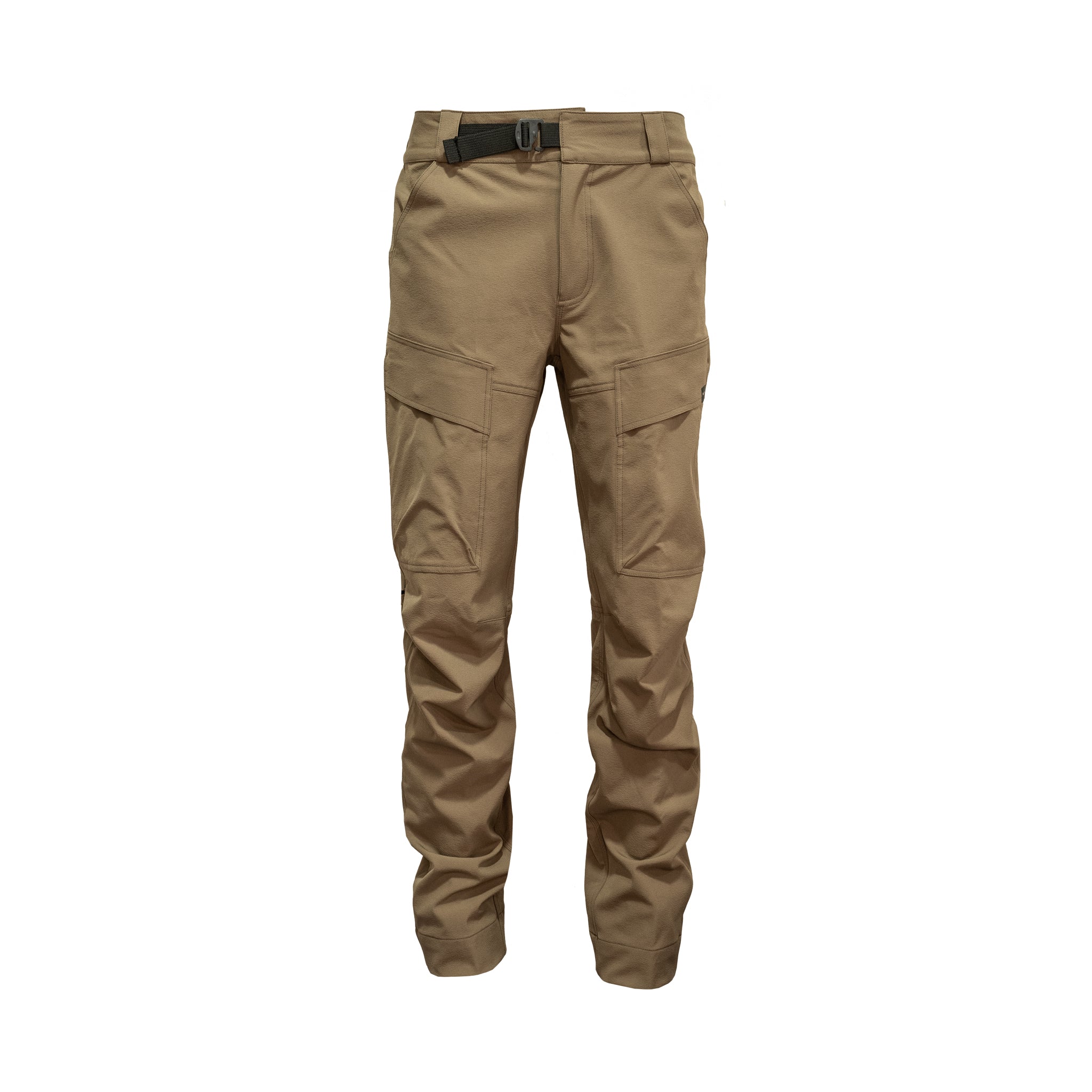
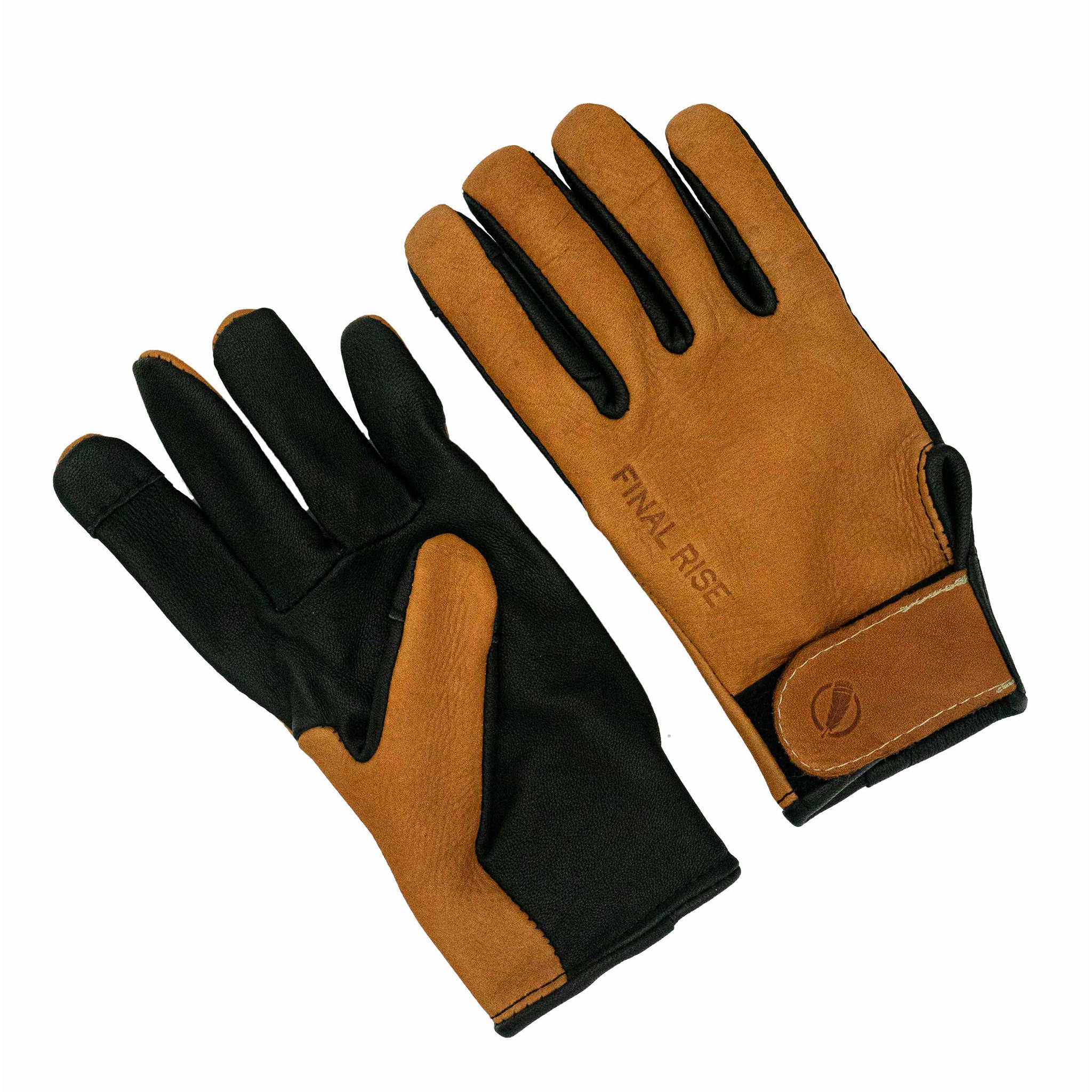
Sage isn't thorny the way brush country is, but it's coarse and it adds up over 10 miles. Our All Terrain Field Pant handles it well, with 4-way stretch for the miles and zippered vents to dump heat when the desert sun gets serious. Round it out with a pair of Field Gloves for handling coarse brush and hot gear without cooking your hands, and don't skip sun protection on your head and neck; there's nowhere to hide from it out here.
Boots
Sage grouse country is rolling, uneven ground covered in loose volcanic rock, cheatgrass, and thick sage that hides your footing more than you'd expect. Look for a lightweight, breathable boot with a supportive midsole built for serious mileage and a grippy outsole for loose rock and uneven terrain. Ankle support matters more than insulation here; you're covering too much ground in usually-warm conditions to need a heavy, warm boot. If you're hunting known rattlesnake country, which overlaps with a lot of sagebrush habitat, consider a boot or gaiter with some snake protection built in.

Odds & Ends
This is the stuff that matters most when the nearest water, shade, or cell signal might be 10 miles away.
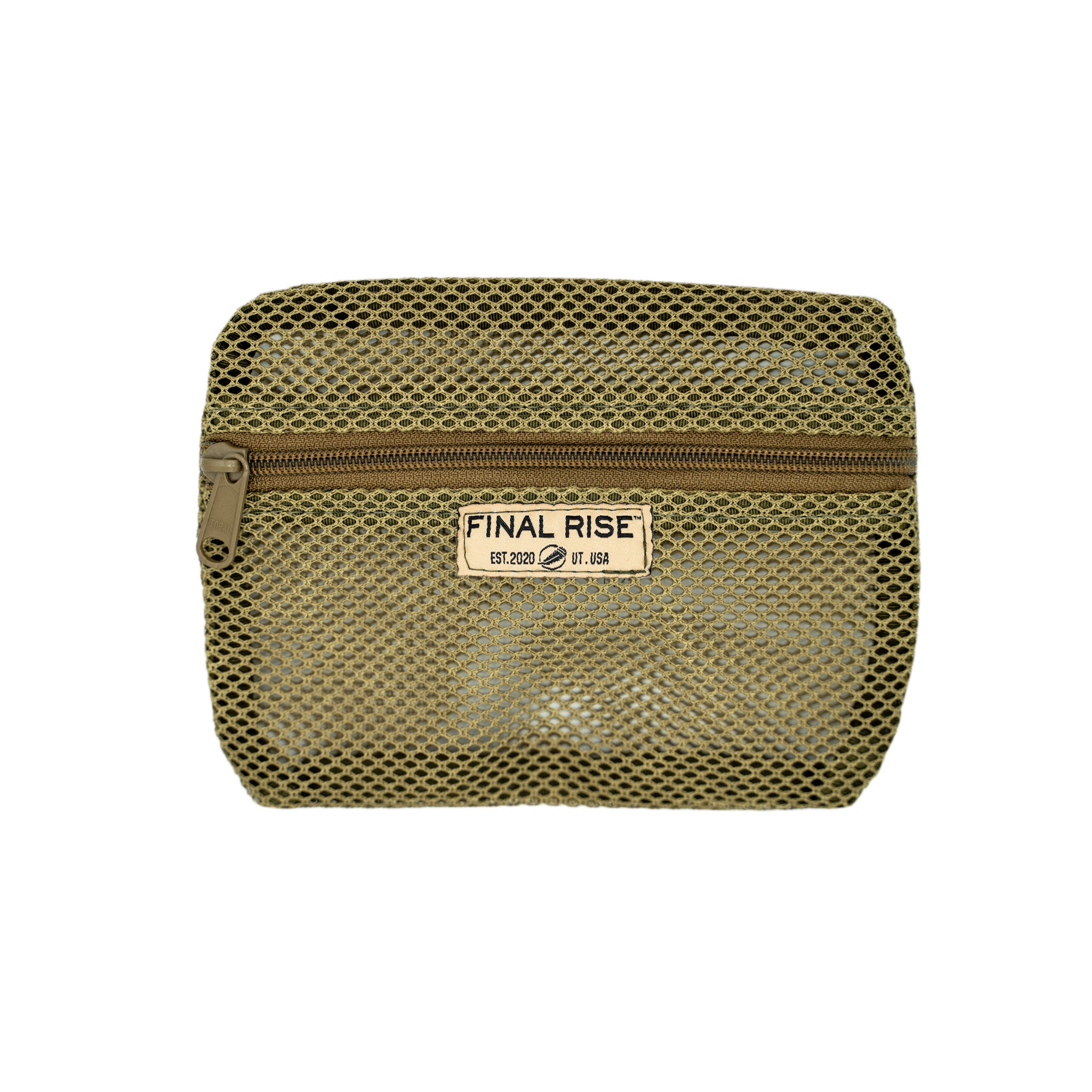
- GPS system: Sagebrush country is vast, remote, and disorienting; rolling hills of sage all start to look the same. A GPS handheld isn't optional out here. Keep it protected with a 550 Pouch or Alpha Pouch, both of which mount straight to your vest.
- Extra water: Carry more than you think you need, for you and your dog both. There's often no water source out there at all, and the heat and mileage will find the hunter who under-packed.
- Sun protection: Sunscreen and a good pair of sunglasses matter as much out here as they would on a boat. Open sage offers zero shade for most of the day.
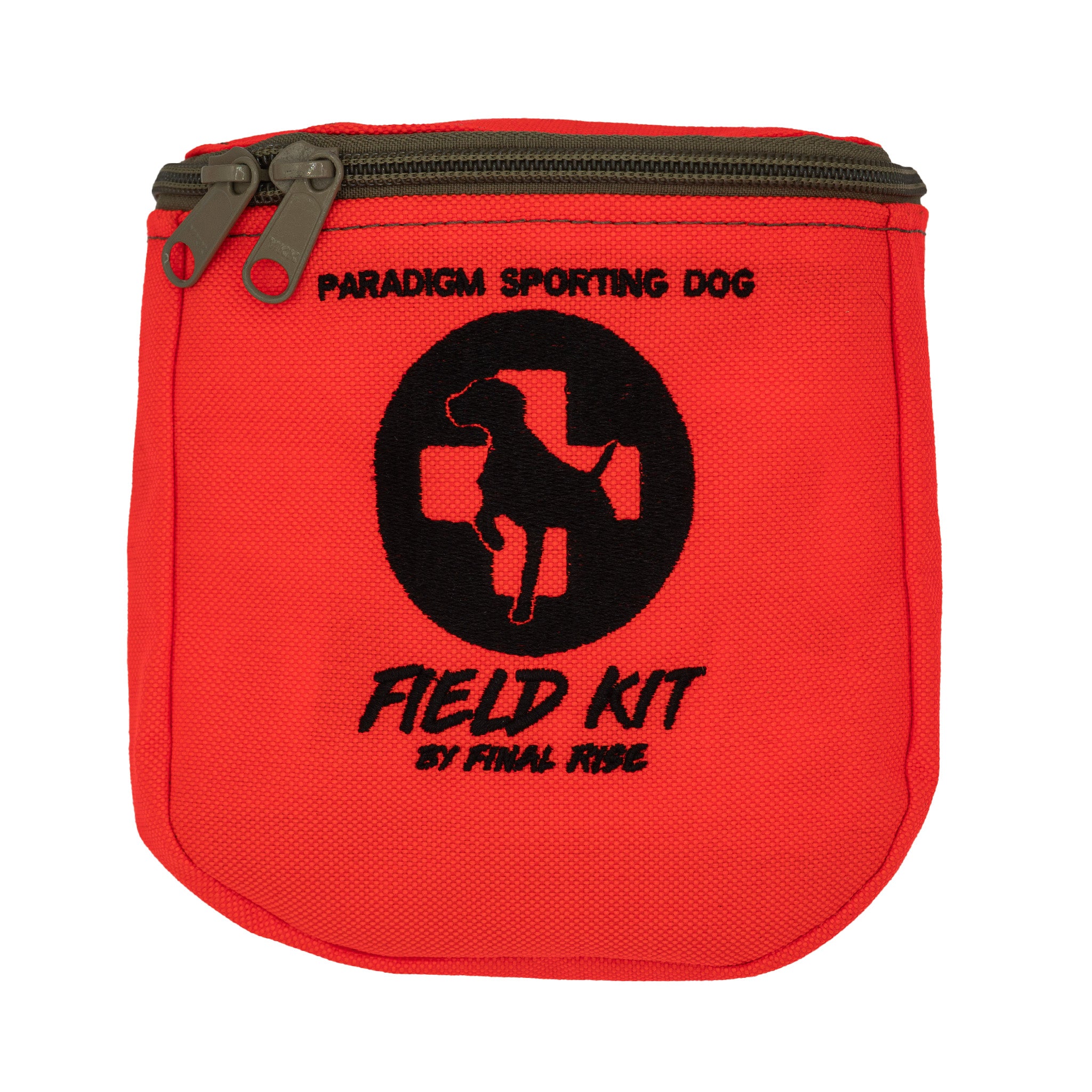
- First aid kit: Rattlesnakes share this ground with sage grouse, and long miles over rock and sage take a toll on paws. Our First Aid Field Kit handles the cuts, punctures, and overheated dog scenarios that come with desert terrain, stabilizing your dog and buying time to reach a vet if something serious happens.
- Pocket knife: Same as any bird hunt, you need one to clean birds at the end of the day.
- Camp setup: Given how remote and permit-restricted sage grouse hunting tends to be, a lot of hunters camp near their unit rather than commuting in daily. A tent, cot, and sleeping bag turn a long access drive into a proper frrontcountry trip.
Check your unit's tag requirements and season dates well before opening morning, get this list squared away, and let the sagebrush be the only thing slowing you down.